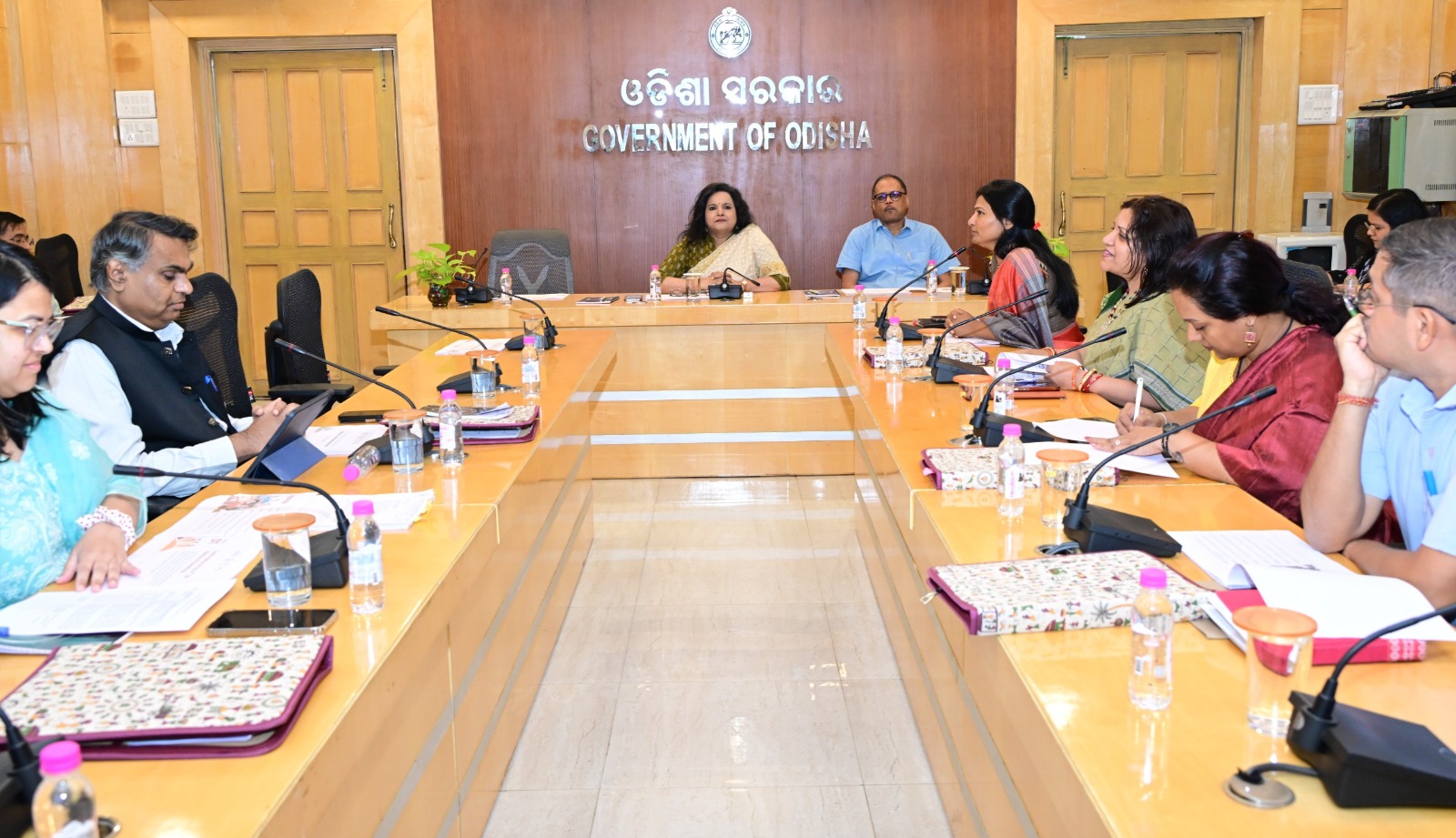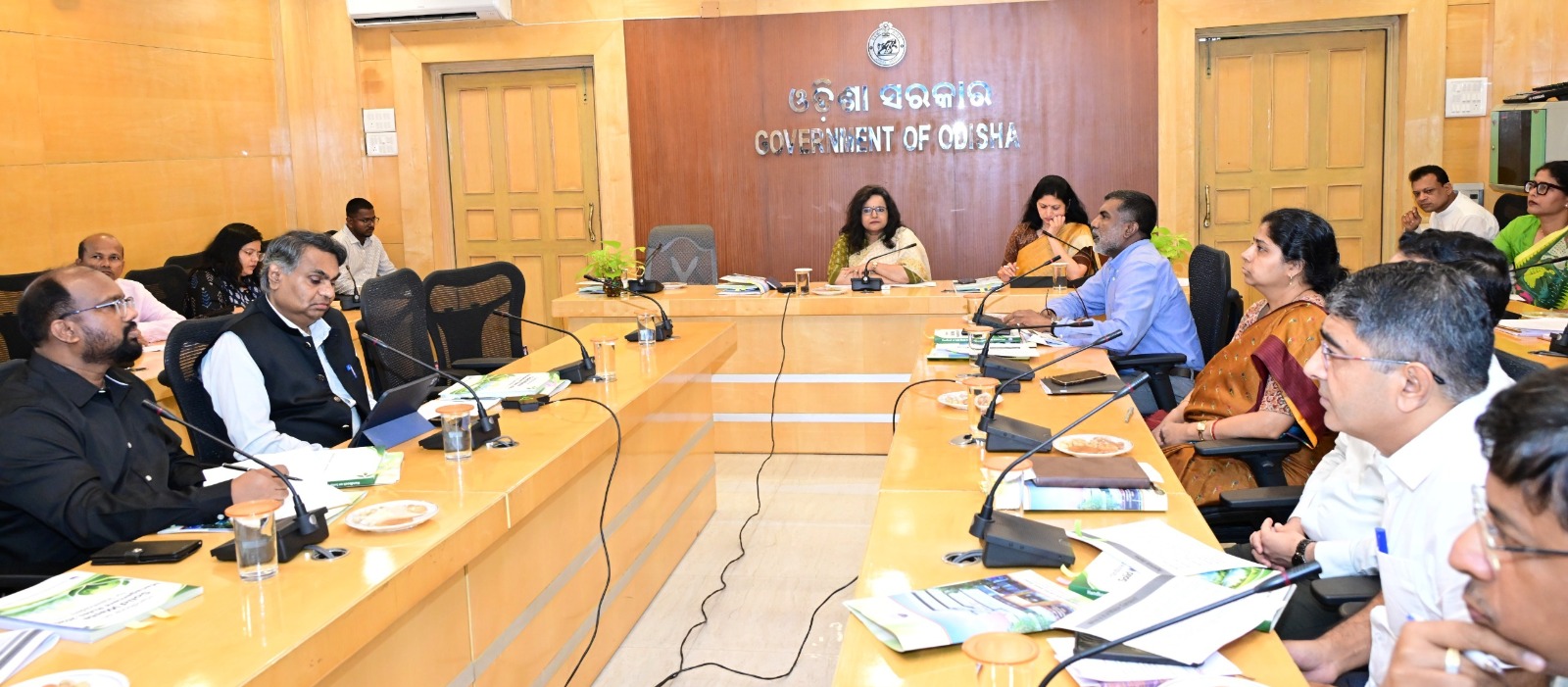
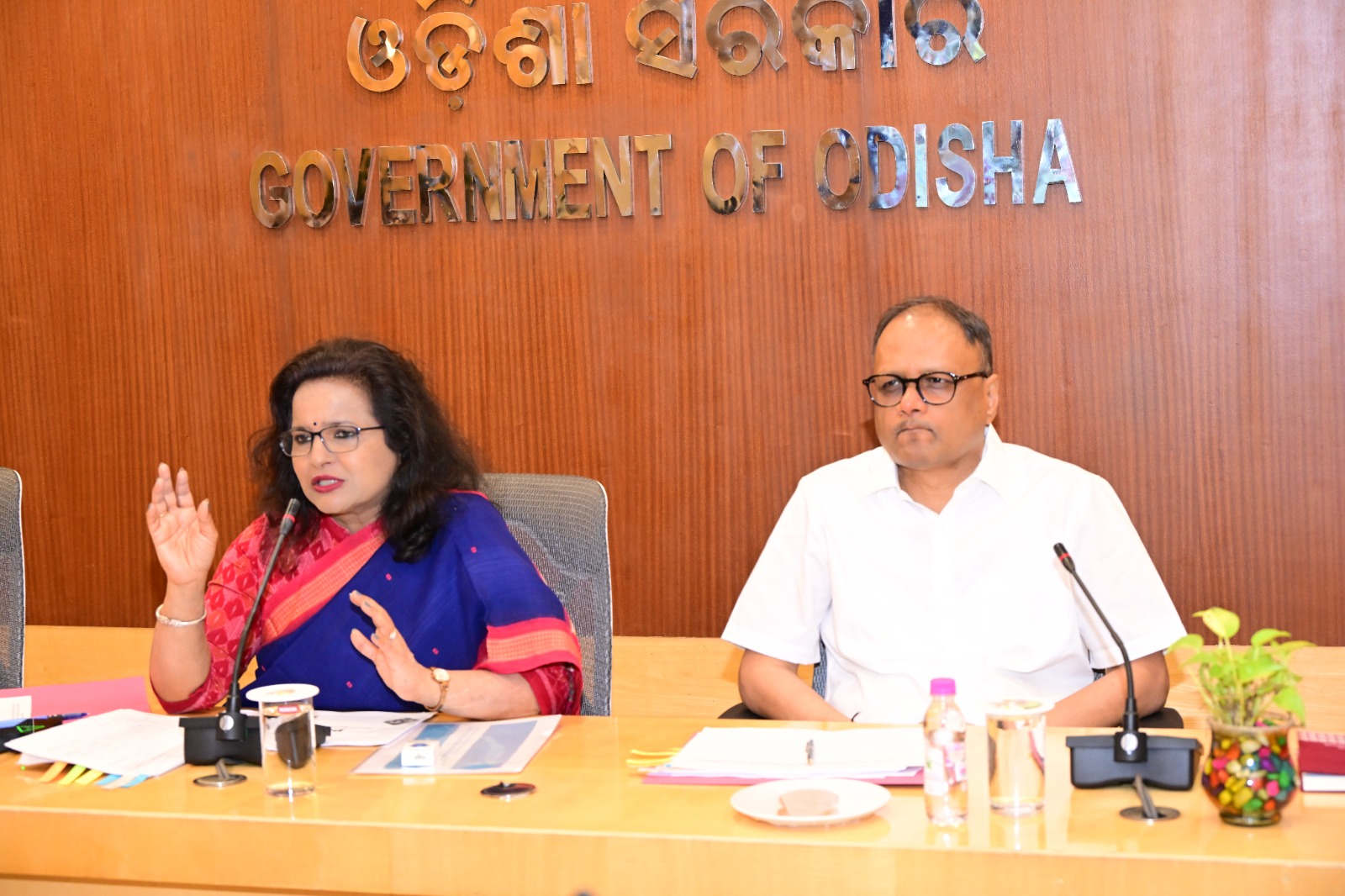
Bhubaneswar: Implementation of key welfare and development programmes, digital governance tools, and service delivery mechanisms came under focus at a high-level review meeting of District Collectors chaired by Chief Secretary Anu Garg at Lok Seva Bhavan on Thursday.
The meeting was attended by senior officials, including Development Commissioner and Additional Chief Secretary Deoranjan Kumar Singh, along with secretaries of various departments, while District Collectors joined virtually. IAS officers of the 2024 Odisha cadre currently undergoing training were also present.
A major area of discussion was the rollout of the ‘CM-Sampada’ platform, designed to digitally monitor the utilisation of District Mineral Foundation (DMF) funds. The platform aims to ensure targeted development in mining-affected regions by improving access to healthcare, education, drinking water, and infrastructure. Collectors were asked to conduct regular reviews and maintain accurate, real-time data on the system.
Progress on multiple irrigation-related censuses was also assessed, including the 7th Minor Irrigation Census, 2nd Water Bodies Census, 1st Major and Medium Irrigation Projects Census, and Odisha’s first Springs Census. The deadline for the springs census has been extended till May 31, 2026. Officials underlined the importance of these datasets in strengthening water resource planning and environmental sustainability, directing districts to expedite the process.
Focusing on healthcare delivery, the Chief Secretary called for enhanced monitoring to reduce maternal and infant mortality and improve adherence to treatment protocols. District administrations were directed to intensify reviews at all levels. Special drives will also be undertaken to accelerate distribution of health cards under the Ayushman Bharat Pradhan Mantri Jan Arogya Yojana–Gopabandhu Jan Arogya Yojana and the Ayushman Bayo Bandana Yojana.
The meeting also reviewed plans for introducing ‘Prayas’, a digital monitoring platform for the social sector. The system, inspired by the Centre’s PRAGATI model, will track indicators across health, nutrition, education, sanitation, and drinking water, enabling quicker intervention and improved outcomes.
In the education sector, progress under the Godabarish Mishra Ideal Primary School scheme was reviewed, with instructions issued to complete distribution of school uniforms before the summer break. District Collectors were also asked to identify unsafe school infrastructure and take immediate corrective measures to ensure student safety.
The Women and Child Development Department emphasised the need for accurate and timely updating of data in the Poshan Tracker to monitor child malnutrition. Officials were also directed to install functional CCTV systems in Self-Help Group units engaged in Take-Home Ration production to strengthen oversight.
Reviewing the Subhadra Yojana, officials informed that registration of new beneficiaries is ongoing through the online portal. District administrations were instructed to carry out field verification of pending applications and ensure their prompt disposal.