
Bhubaneswar/Balangir: With the India Meteorological Department (IMD) forecasting below-normal South-West monsoon rainfall and possible El Niño conditions this year, the Odisha government on Tuesday intensified preparations for the Kharif 2026 season by rolling out a comprehensive crop contingency and farmer support strategy across the state.
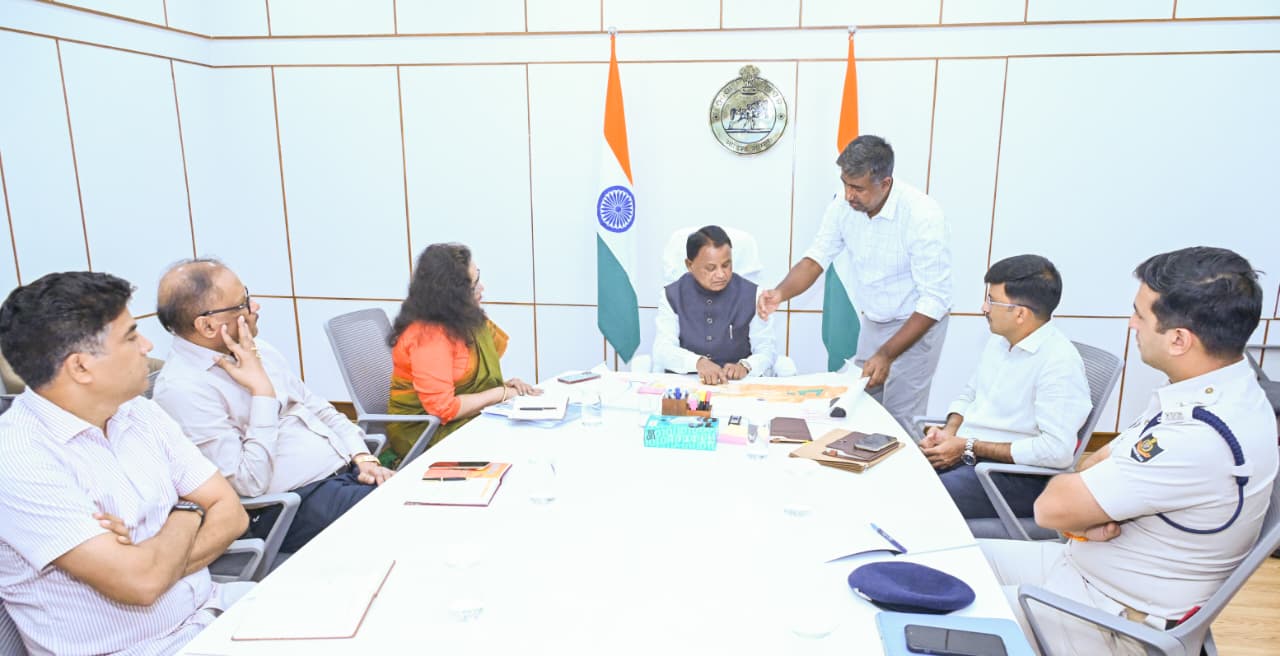
Chairing a high-level virtual review meeting, Deputy Chief Minister and Agriculture, Farmers’ Empowerment & Energy Minister Kanak Vardhan Singh Deo directed district administrations, agricultural agencies and research institutions to work in close coordination to minimise the impact of adverse weather conditions on farmers and agricultural production.
During the meeting, the Deputy Chief Minister stressed the need for timely seed distribution, climate-resilient farming practices, strict monitoring of fertilizer supply, and expansion of crop insurance coverage ahead of the Kharif season.
As part of the preparedness measures, the Odisha State Seeds Corporation (OSSC) has been instructed to ensure distribution of certified seeds across districts by the first week of June, with special focus on remote and drought-prone areas. Officials were also directed to prioritise short and medium-duration varieties of paddy, pulses, oilseeds and millets in rain-deficit regions.
The government has additionally planned to promote crop diversification in upland and rainfed areas, while a community nursery approach will be adopted in case of delayed monsoon conditions. OSSC has also been asked to maintain adequate buffer stocks of seeds to handle any weather-related contingencies.
Reviewing fertilizer preparedness, the Deputy Chief Minister directed MARKFED, PACS and LAMPCS to ensure uninterrupted last-mile delivery of fertilizers to farmers. District collectors have been asked to maintain strict vigilance against black marketing, hoarding and illegal diversion of fertilizers, particularly amid uncertainties in the global supply chain.
Field officials were instructed to promote balanced nutrient management through Soil Health Cards, green manuring and water conservation techniques to maintain soil productivity during uncertain rainfall conditions.
The meeting also focused on expanding farmer enrollment under the Pradhan Mantri Fasal Bima Yojana (PMFBY). Officials were directed to maximise registration under the scheme, under which the Odisha government is bearing the entire farmer premium share for cultivation up to two hectares, with farmers required to pay only a nominal validation fee of Re 1 per application.
District administrations were further asked to expedite farmer registration under the Farmer Registry system, which has been made mandatory for accessing benefits under PM-KISAN, CM-KISAN, subsidised agricultural inputs and government procurement programmes.
To strengthen technical support for farmers, Odisha University of Agriculture and Technology (OUAT) and Krishi Vigyan Kendras (KVKs) will provide real-time, location-specific weather advisories, pest management support and recommendations on stress-tolerant crop varieties during the Kharif season.
The government also plans to display crop advisories through LED screens at district and state levels while field officers have been instructed to conduct village-level awareness programmes on dry-spell preparedness and climate-resilient agricultural practices.
The review meeting was attended by senior officials including Agriculture & Farmers’ Empowerment Commissioner-cum-Secretary Sachin Ramchandra Jadhav, Cooperation Secretary Rajesh Pravakar Patil, OUAT Vice Chancellor Dr. Pravat Kumar Roul, IMD Director Dr. Manorama Mohapatra, Balangir Collector Gourav Shivaji Isalwar and other departmental officers.