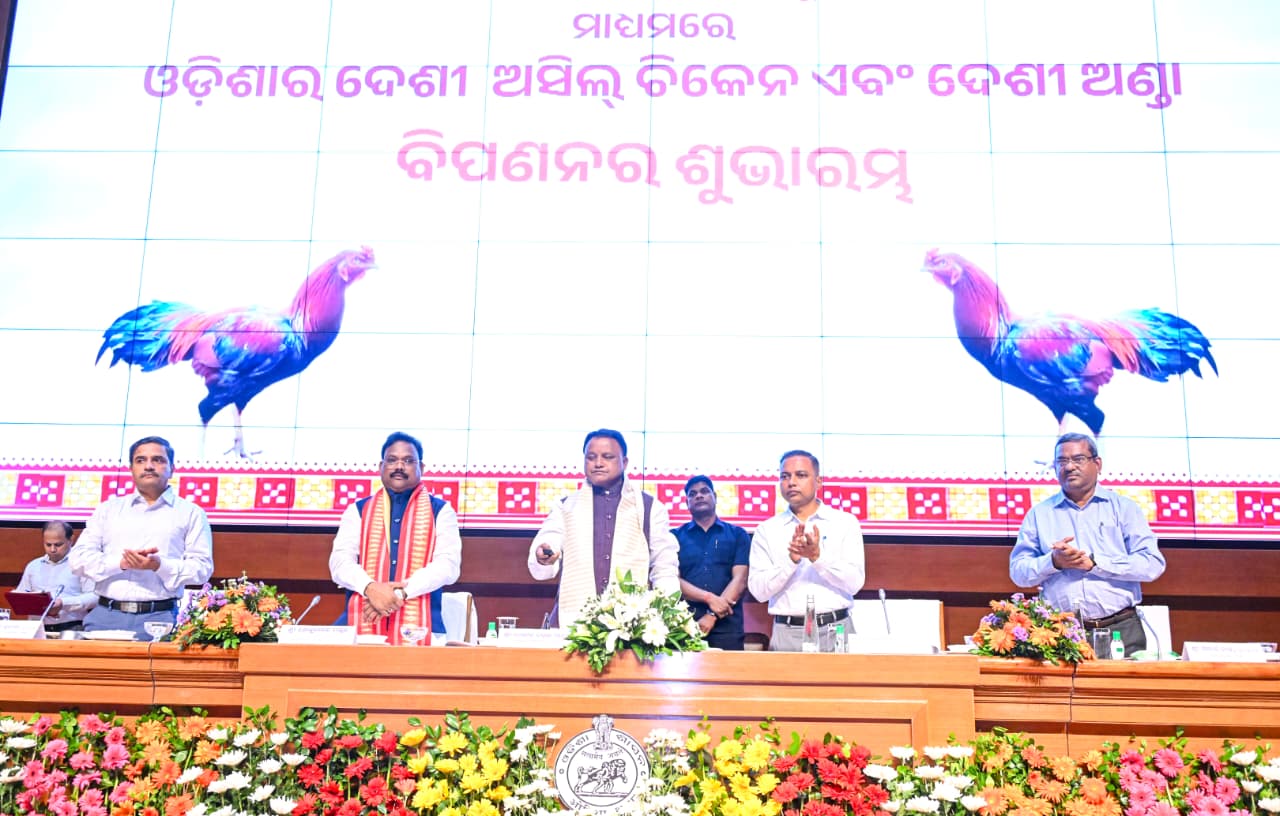
Bhubaneswar: Strengthening animal health services and allied sectors, Odisha Chief Minister Mohan Charan Majhi on Saturday unveiled a series of major initiatives on the occasion of World Veterinary Day, including a ₹1,423 crore flagship scheme and large-scale infrastructure expansion.
At a state-level programme held at the State Convention Centre, the Chief Minister inaugurated 76 newly constructed veterinary hospitals and four animal aid centres built at a cost of around ₹100 crore. He also oversaw the signing of MoUs with six public sector undertakings to set up 219 additional veterinary hospitals and diagnostic laboratories with an investment of ₹177 crore.
To enhance diagnostic capacity, the state will establish a molecular laboratory at Phulnakhara in Cuttack with an outlay of ₹10 crore, while an existing feed testing laboratory will be upgraded with ₹6 crore to ensure quality nutrition for livestock.
Focusing on fisheries infrastructure, Majhi inaugurated a fish landing centre at Kasia in Bhadrak district and the upgraded Dhamara Fishing Harbour, developed at a cost of ₹50 crore.
Marking the golden jubilee of OPOLFED, the Chief Minister also launched dedicated marketing centres for brown eggs and indigenous Aseel chicken to ensure better price realisation for poultry farmers.
In a major policy push, he announced the launch of the “Kamadhenu Yojana,” aimed at supporting over 15 lakh cattle rearers over five years by providing up to 70 per cent financial assistance for rearing high milk-yielding cows.
The government has also allocated ₹33 crore under the Mukhyamantri Prani Kalyan Yojana for cow shelters, feed, and healthcare. Additionally, ₹1,031 crore will be invested under the Prani Sampad Samruddhi Yojana to boost poultry farming and egg production, benefiting nearly 3.73 lakh families.
Emphasising diversification in agriculture, Majhi said sectors such as fisheries, dairy, and poultry are key to enhancing farmers’ income. He reiterated that the state aims not just to double but significantly multiply farmers’ earnings through these initiatives.
Highlighting the importance of the One Health approach, the Chief Minister stressed the need for integrated systems linking animal health, food safety, and public health. He said Odisha aims to achieve self-reliance in milk, egg, and meat production and rank among the top five states in egg production by 2047.
To strengthen last-mile service delivery, the state will engage around 2,000 trained community animal health workers under the A-HELP initiative to support farmers, particularly in vaccination and disease control.
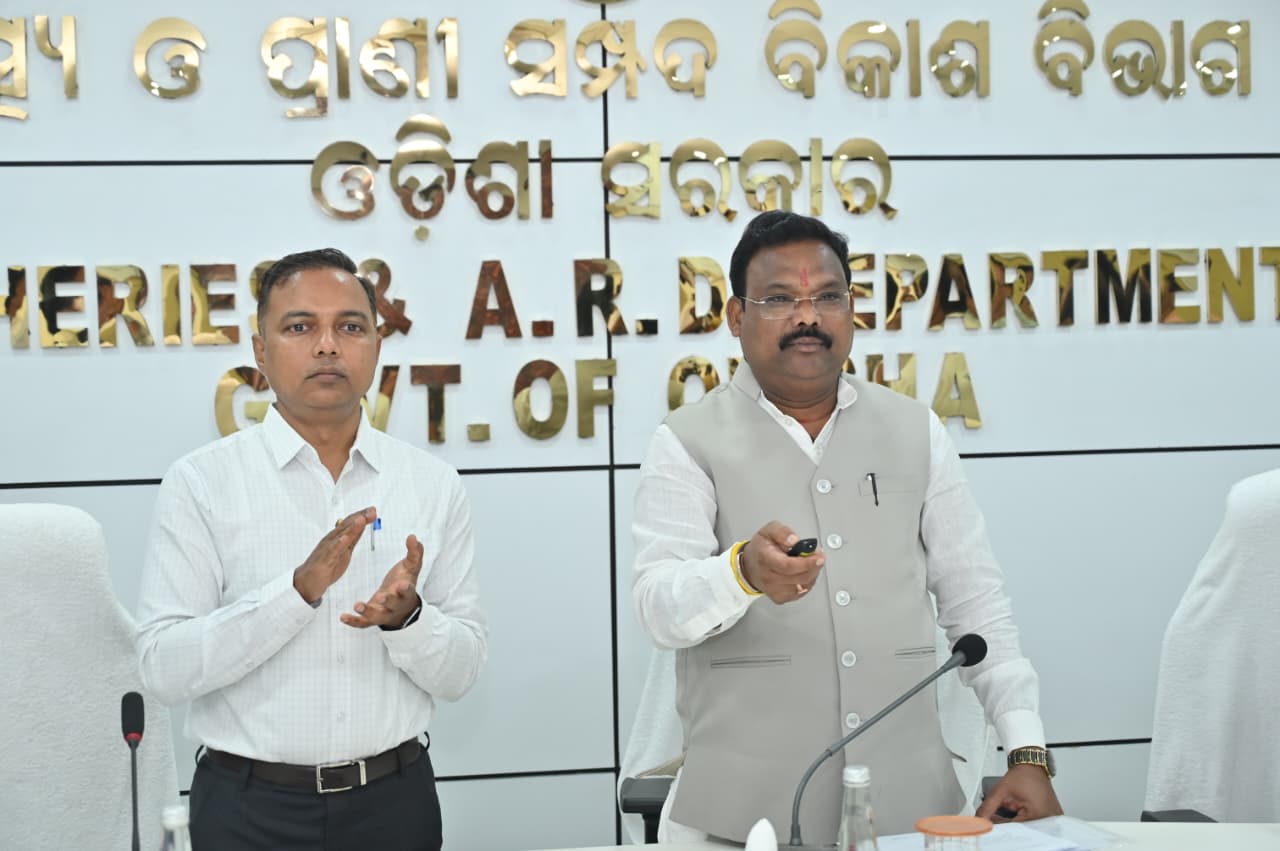
Fisheries and Animal Resources Development Minister Gokulananda Mallik highlighted the crucial role of veterinarians in preventing zoonotic diseases and ensuring food safety, while the Chief Minister praised their service, describing them as vital caregivers for animals.