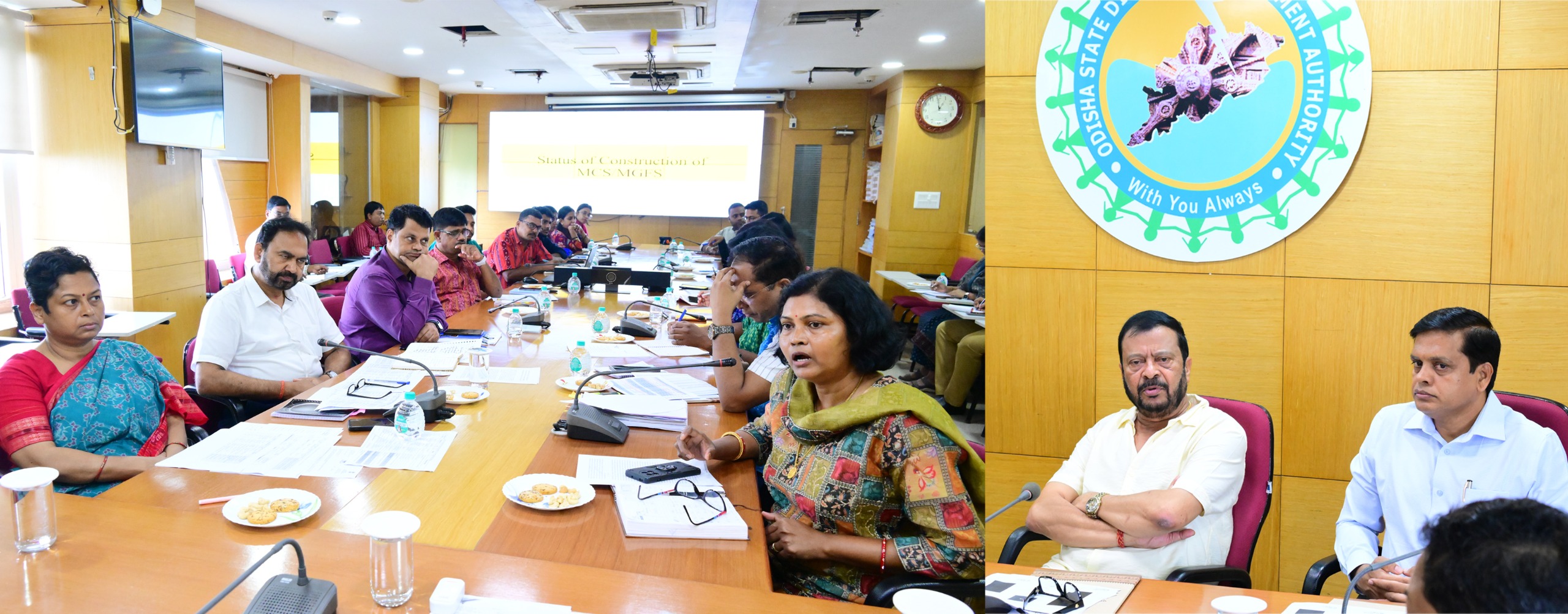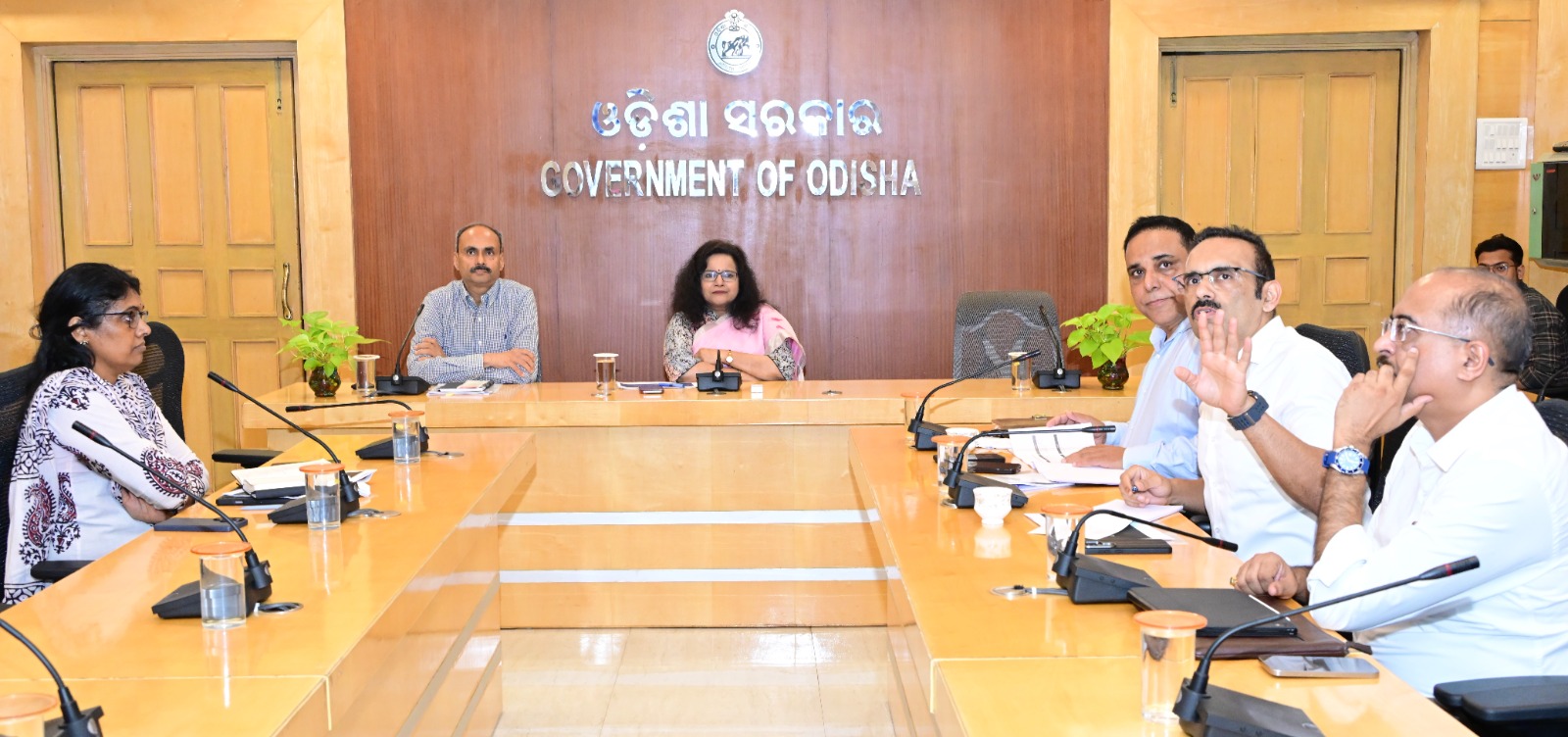
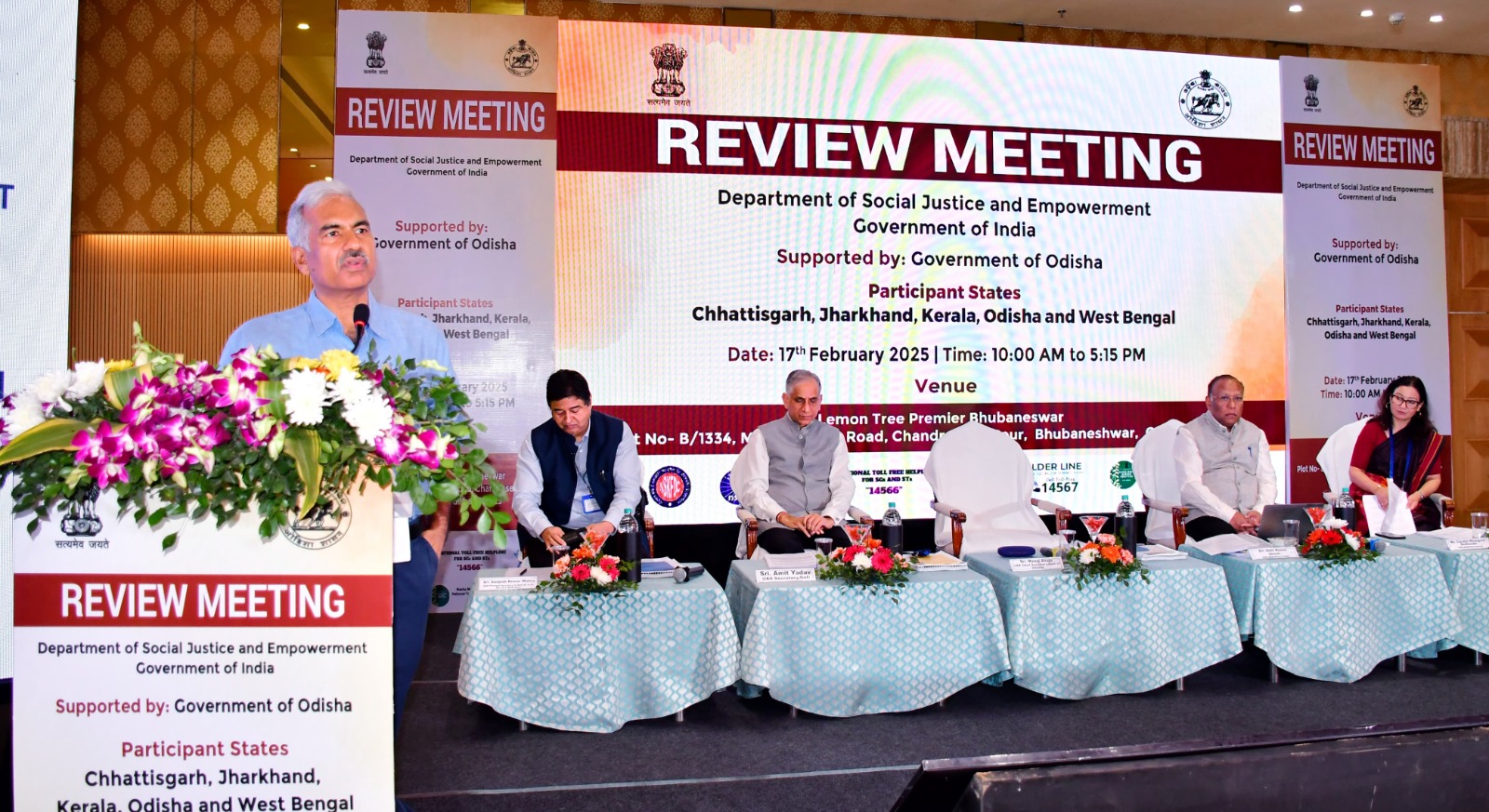
Bhubaneswar: A one-day Regional Review Conference was held in Bhubaneswar, bringing together officials from five states—Odisha, Jharkhand, West Bengal, Chhattisgarh, and Kerala. Organized by the Ministry of Social Justice and Empowerment (MoSJE), Government of India, with support from the Government of Odisha, the conference focused on reviewing welfare schemes and addressing implementation challenges.
The inaugural session was addressed by Amit Yadav, IAS, Secretary, MoSJE, and Manoj Ahuja, IAS, Chief Secretary, Odisha, with Sanjeeb Kumar Mishra, IAS, Principal Secretary, ST & SC Development, Minorities & Backward Classes Welfare Department, Odisha, moderating the discussions. Yadav expressed appreciation for Odisha hosting the event and highlighted its role in a series of consultations aimed at strengthening coordination between the central and state governments.
Key Discussions and Takeaways
The conference underscored the necessity of structured dialogue to enhance the execution of social justice schemes. Discussions focused on the welfare of Scheduled Castes (SCs), Other Backward Classes (OBCs), Denotified and Nomadic Tribes (DNTs), transgenders, senior citizens, sanitation workers, and individuals affected by drug abuse. The MoSJE oversees critical legislations, including the SC/ST Prevention of Atrocities Act and the Transgender Persons Act.
Empowerment Through Education and Economic Support
Three core pillars—education, social inclusion, and economic empowerment—were highlighted as essential for social justice. Financial assistance through scholarships for SC and OBC students, economic grants, and loans were discussed. The implementation of the Nasha Mukt Bharat Abhiyan (drug demand reduction program) was also reviewed, with a focus on law enforcement collaboration.
Strengthening Implementation and Coordination
Yadav emphasized the importance of timely fund utilization and urged state governments to ensure proper submissions under the PM Ajay initiative. Enhanced coordination among Rural Development, Panchayati Raj, and Education departments was recommended to streamline welfare programs.
Odisha’s Contributions and Development Goals
Chief Secretary Ahuja reiterated Odisha’s commitment to inclusive growth, citing the state’s 17% Scheduled Caste population (Census 2011). He stressed the importance of implementing welfare schemes effectively to realize the vision of “Viksit Bharat” by 2047. He also underscored legal protections under the Protection of Civil Rights (PCR) Act and the Prevention of Atrocities (PoA) Act, calling for strict enforcement and awareness campaigns.
Sectoral Focus and Future Strategies
Parallel sessions covered various critical aspects, including Pre-Matric and Post-Matric Scholarship Schemes, the PM-YASASVI scheme for OBCs, EBCs & DNTs, and the Pradhan Mantri Anusuchit Jaati Abhyuday Yojana (PMAJAY). Additionally, discussions were held on financial inclusion programs like PM-SURAJ, economic opportunities for marginalized communities, and social audit mechanisms.
Promoting Best Practices and Collaboration
Beyond reviewing challenges, the conference facilitated knowledge-sharing, policy discussions, and collaboration among states. Representatives from the Ministry of Social Justice & Empowerment, state governments, finance corporations, and organizations like Piramal Foundation and Bharat Innovation Global participated, ensuring a holistic approach to social justice and welfare reforms.