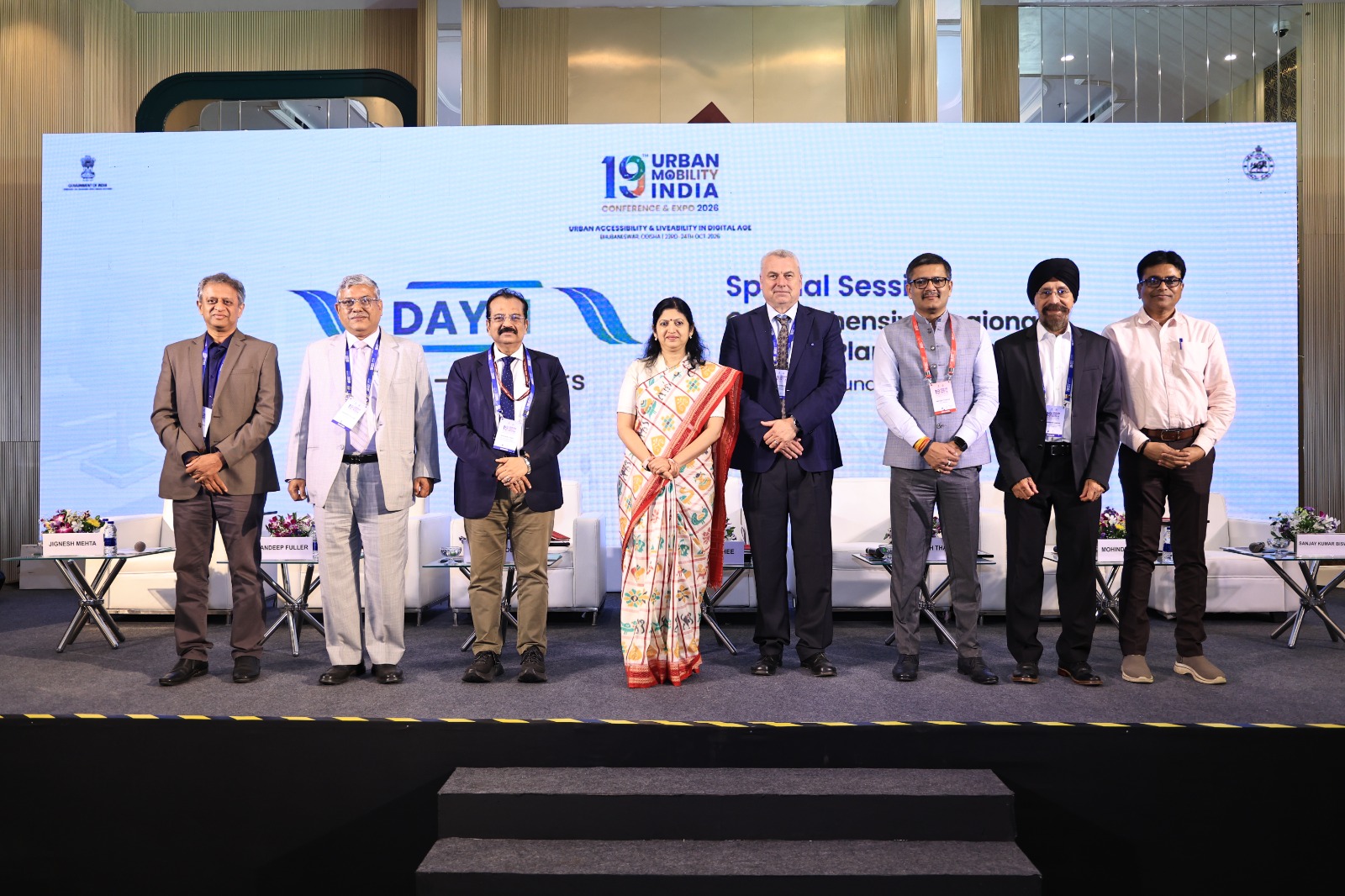
Bhubaneswar: Integrated transport networks connecting cities with their surrounding regions are essential for improving daily commutes, expanding access to essential services and supporting sustainable urban growth, experts emphasised at the 19th Urban Mobility India (UMI) Conference and Exhibition 2026 in Bhubaneswar.
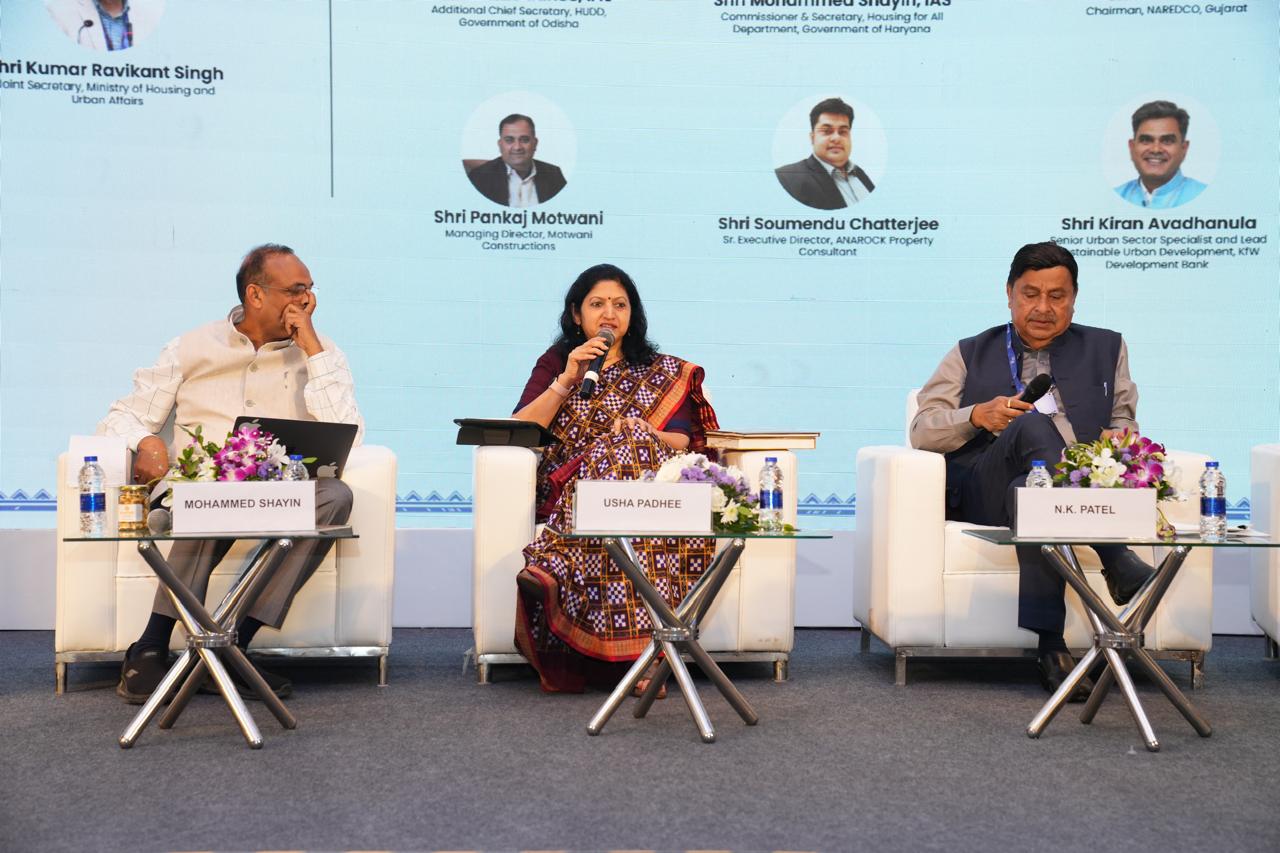
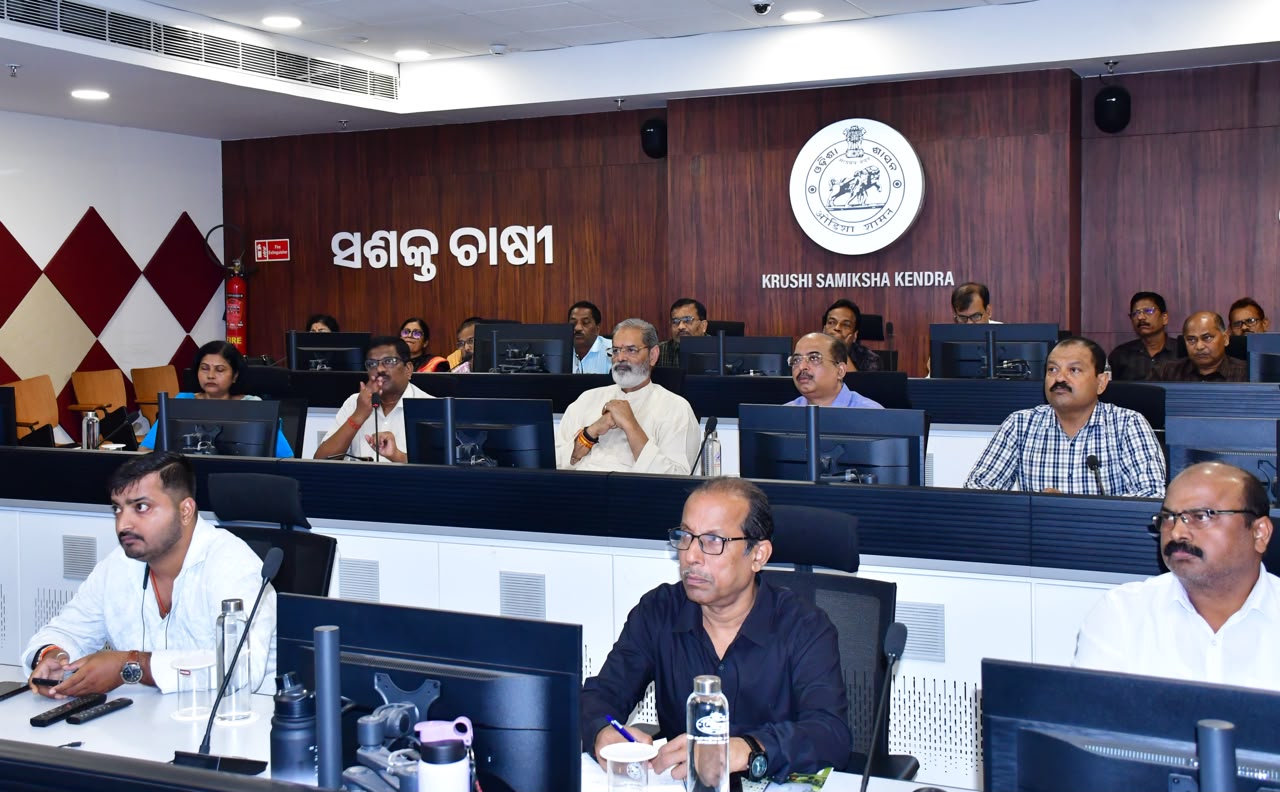
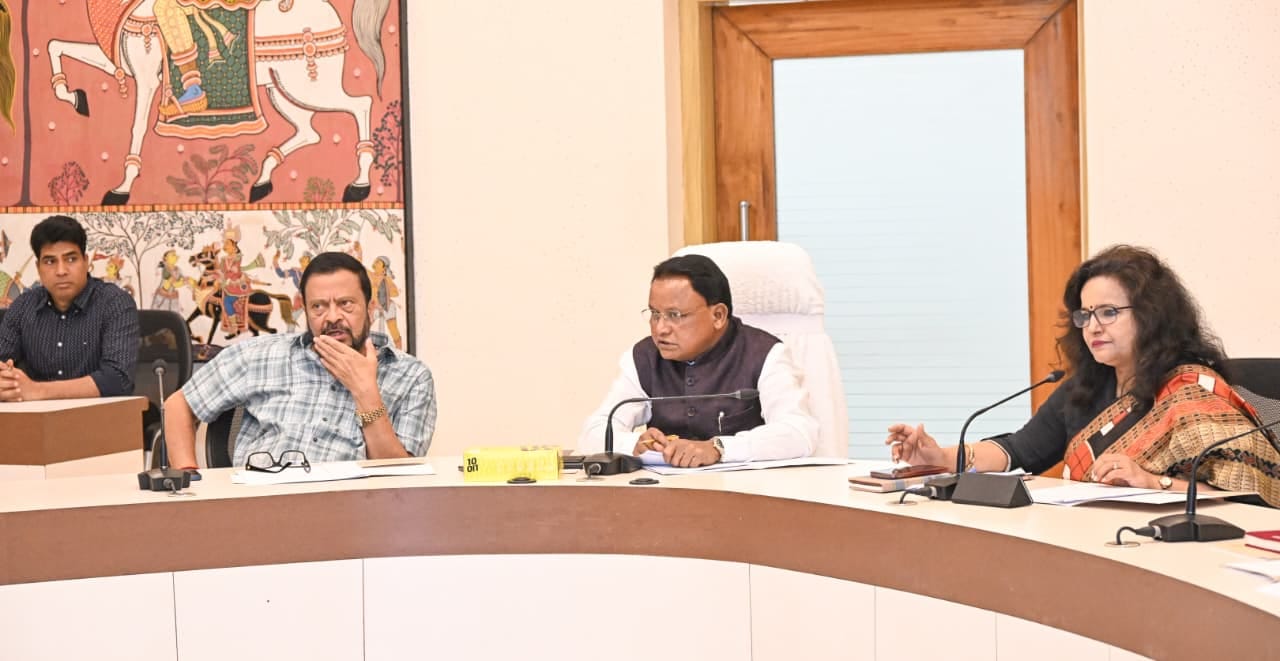
The importance of Comprehensive Regional Mobility Planning (CRMP) was the focus of a special session held on October 23, bringing together government officials and transport-sector experts to discuss how coordinated planning can make urban mobility more efficient, accessible and inclusive.
The session was chaired by Usha Padhee, Additional Chief Secretary of the Housing and Urban Development Department, Government of Odisha. Participants included Jignesh Mehta, Urban Planning and Design Lead at ARUP; Sandeep Fuller, CEO (Project Services) at SYSTRA India; Shalabh Goel, Managing Director of the National Capital Region Transport Corporation (NCRTC); Amitabh Thakur, Odisha Transport Commissioner; Mohindar Singh, former Dean of the Land Transport Authority (LTA) Academy, Singapore; and Sanjay Kumar Biswal, Director of the Information and Public Relations Department, Government of Odisha.
Beyond city boundaries
The discussions highlighted that urban mobility planning must extend beyond individual city limits, as people frequently travel between cities and adjoining areas for work, education, healthcare and other essential needs.
Comprehensive Regional Mobility Planning offers a framework for coordinating transport networks, infrastructure development and land-use planning across interconnected urban regions. Participants stressed that stronger coordination among transport agencies, urban local bodies and other stakeholders is necessary to develop an integrated system that responds to the travel needs of citizens.
Rather than treating transport projects as isolated interventions, regional planning can help ensure that different modes of transport work together. Integrated public transport, reliable last-mile connectivity, pedestrian-friendly infrastructure and facilities for non-motorised transport were identified as important components of a seamless mobility network.
Linking transport with urban development
The session also underscored the need to align transport investments with land-use planning to make better use of infrastructure and support balanced regional development.
As cities expand into adjoining areas, coordinated planning can help improve connectivity between residential neighbourhoods, employment centres and public services. Better integration can also reduce travel barriers, facilitate economic activity and help ensure that growing urban regions remain accessible and liveable.
For commuters, an integrated regional transport system can offer smoother daily journeys and a wider choice of travel options. Safer walking and cycling infrastructure, dependable public transport and improved connections between different modes can make travel more convenient while encouraging people to rely less on private vehicles.
A citizen-centric approach to regional mobility can also improve access to jobs, educational institutions, healthcare facilities and other essential services, particularly for people who depend on public transport.
The deliberations reinforced the need for a coordinated approach to mobility planning that brings together transport infrastructure, urban development and the needs of surrounding communities.
Held as part of UMI 2026 in Bhubaneswar, the session highlighted Comprehensive Regional Mobility Planning as an important tool for connecting communities, improving accessibility and supporting sustainable growth across expanding urban regions.