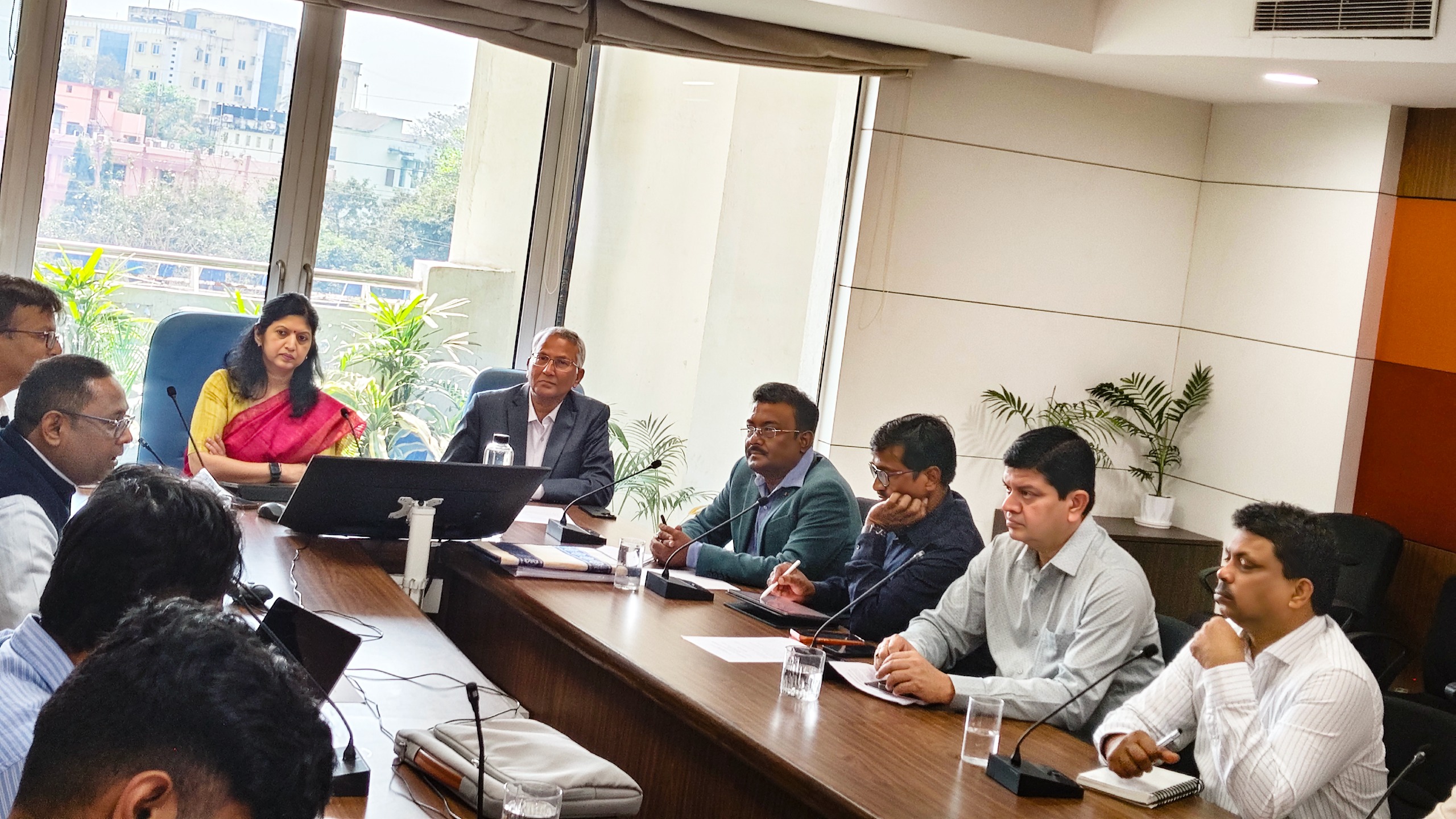
Bhubaneswar: Odisha is building a collaborative urban governance ecosystem that brings together government agencies, knowledge institutions, technical experts and innovation partners to help cities find practical solutions to emerging challenges and improve public services.
At the centre of this effort is the Atal Network for Knowledge, Urbanisation and Reform (ANKUR), a platform launched by the state on May 28, 2025, to connect Urban Local Bodies (ULBs) with specialised knowledge, technology and expertise.
Inspired by the vision of Bharat Ratna Atal Bihari Vajpayee, ANKUR is designed to help ULBs identify local challenges, access the expertise needed to address them, test innovative solutions and replicate successful interventions across cities. Rather than operating as a standalone scheme, the platform supports existing urban programmes by integrating knowledge and innovation into their implementation.
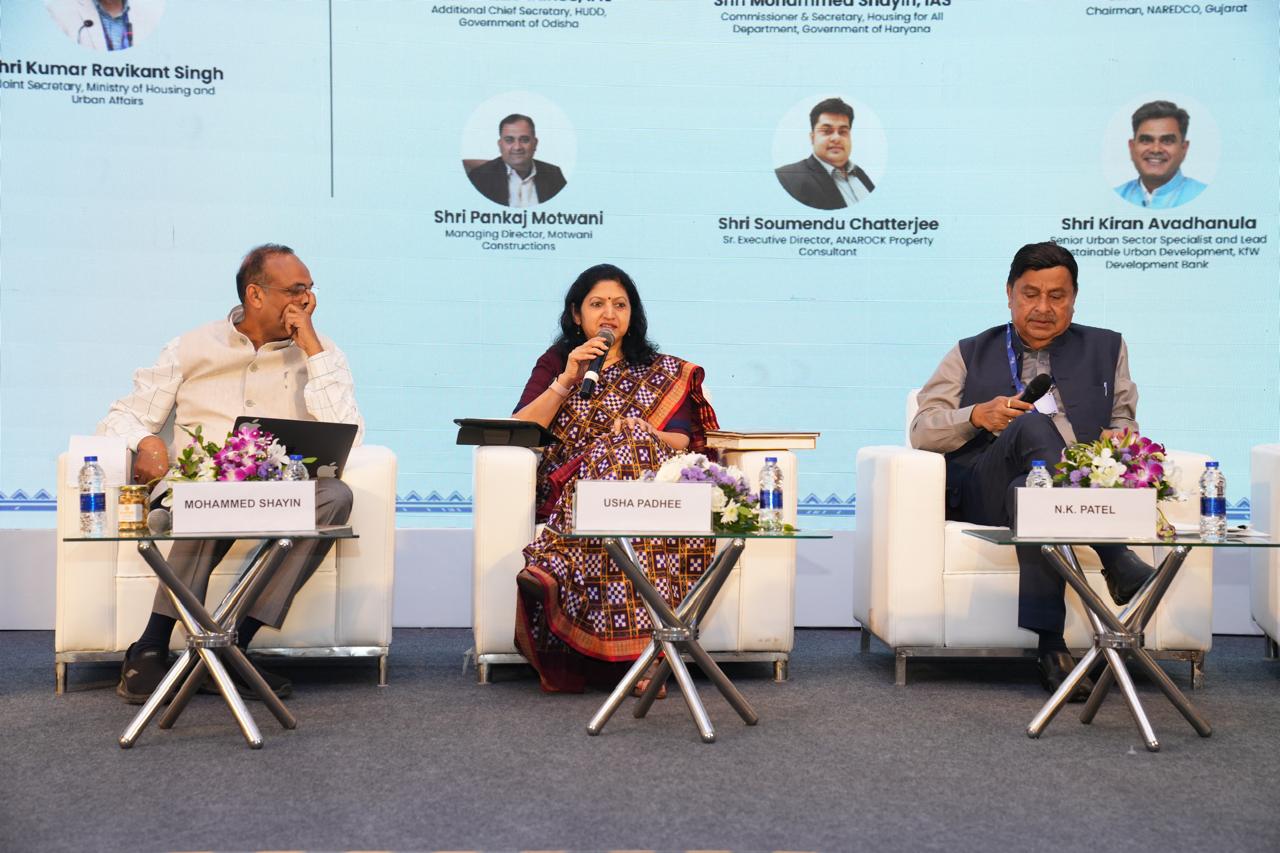
“ANKUR is about connecting the needs of our cities with the right knowledge, expertise and solutions. By strengthening the capacity of Urban Local Bodies and enabling innovation, our objective is to make urban services simpler, faster and more responsive to citizens,” said Housing and Urban Development Additional Chief Secretary Usha Padhee.
The platform follows a collaborative governance model, allowing ULBs to draw on expertise in areas ranging from municipal finance, land management and urban planning to environmental engineering and digital systems. By pooling such expertise, the initiative seeks to reduce the need for individual cities to independently source technical support and enable faster conversion of knowledge into action.
ANKUR is already supporting interventions in digital governance, environmental management, regulatory reforms, capacity building, sanitation, livelihoods and citizen outreach. Digital platforms such as SUJOG are strengthening municipal service delivery across 115 cities, while data-driven initiatives are helping ULBs identify and address local problems.
Under the Dispersed Sources Programme, 2,604 localised pollution-related issues were identified in Bhubaneswar, of which 1,225 have been resolved. The programme has set a target of resolving 80 per cent of the identified issues by October 2026.
Institutional capacity building is another key component of the initiative. More than 1,150 government officials have received training through capacity-building programmes. Knowledge-based reforms are also supporting the simplification of building construction, land subdivision and land-use regulations, with the aim of facilitating planned urban development and more efficient use of land.
The platform has also placed people-centric innovation among its priorities. Measures such as mechanisation, safety equipment and training are aimed at improving the safety and dignity of sanitation workers. At the same time, programmes such as the Lighthouse Programme are linking urban youth with skills and employment opportunities, while SAHAJOG and SAHAJOG Plus are helping urban families access government schemes and essential services.
ANKUR is also providing a platform to pilot solutions for emerging urban challenges. These include the reuse of low-value plastic waste, improved management of Construction and Demolition Waste and other resource-efficient practices. Solutions that demonstrate potential can subsequently be adapted and scaled across other ULBs.
The initiative seeks to establish a cycle in which urban challenges identified at the local level are matched with relevant expertise, converted into workable solutions, tested on the ground and scaled for wider public benefit.
Aligned with the state’s Viksit Odisha @2036 vision, ANKUR is aimed at strengthening the capacity of urban institutions to use knowledge and innovation for better governance and service delivery, while supporting the development of cleaner, safer, resilient and more citizen-centric cities across Odisha.