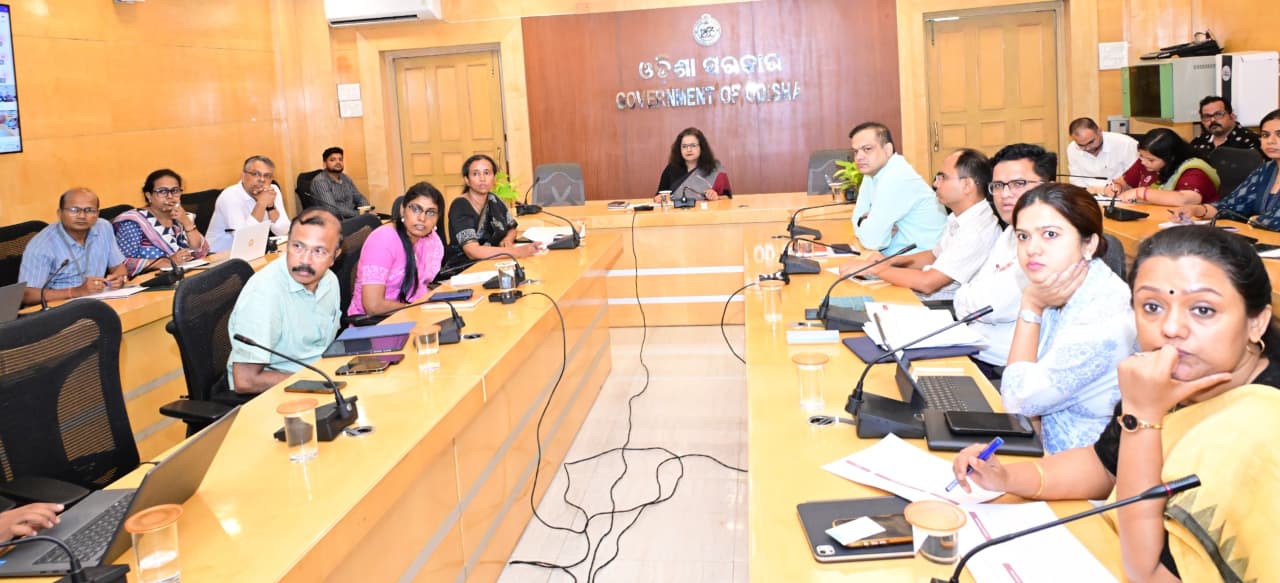
Bhubaneswar: Seeking faster improvements in key human development indicators, the Odisha government on Wednesday intensified monitoring under its ‘Prayas’ (Proactive Governance Attention for Yielding Results and Advancing Social Sector) initiative, with Chief Secretary Anu Garg directing departments and district administrations to focus on field-level implementation and measurable outcomes.
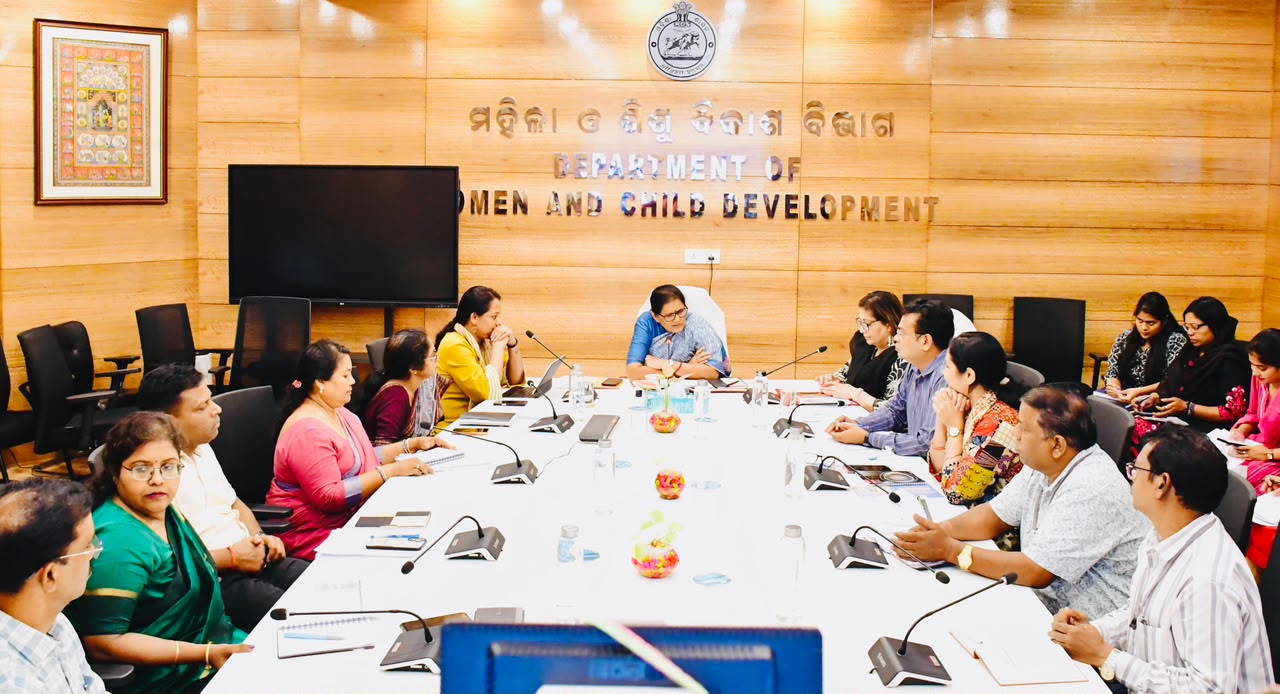
Chairing the second review meeting of the initiative at Lok Seva Bhavan, the Chief Secretary said departments must move beyond routine reporting and adopt a problem-solving approach to improve service delivery in health, education, nutrition and social welfare.
The Prayas platform, modelled on the Centre’s Pragati mechanism, has been created to ensure regular monitoring, inter-departmental coordination and timely corrective action in critical social sectors.
Senior officials from the Health and Family Welfare, School and Mass Education, Women and Child Development and Social Welfare departments attended the meeting.
Reviewing the health sector, Garg assessed district-wise maternal mortality, institutional newborn deaths and findings from field inspections. Officials informed the meeting that maternal and neonatal mortality had declined during January–June this year following sustained monitoring and corrective interventions.
The Chief Secretary directed districts to strengthen referral systems, ensure adequate deployment of doctors and healthcare staff, maintain uninterrupted supplies of medicines and improve infection-control practices in labour rooms, operation theatres and newborn care units. District Collectors were asked to conduct regular reviews and hospital inspections to identify gaps and ensure prompt corrective action.
Tuberculosis elimination was another major focus of the meeting. The Health Department presented the roadmap for the 100 Days Campaign under the TB Mukt Bharat Abhiyan, under which screening will be carried out in 13,271 high-risk villages and urban wards across the state. The government said TB-related issues would be reviewed twice every month through both the Prayas and Pragati platforms.
In the education sector, officials reviewed Odisha’s Performance Grading Index (PGI) 2024-25, with emphasis on improving foundational literacy and numeracy, addressing teacher shortages and bringing school dropouts back into the education system. Garg stressed coordinated efforts involving teachers, parents, local communities and government departments to improve learning outcomes and reduce dropout rates.
The meeting also reviewed measures to tackle child malnutrition under the Women and Child Development Department. District administrations were directed to strengthen growth monitoring, nutrition counselling, home visits and community awareness programmes, while ensuring timely support for children affected by stunting, wasting and underweight conditions.
Progress under the Suposhit Odisha Mission, which aims to make all Anganwadi-covered areas free from malnutrition by 2029, was also assessed.
Concluding the meeting, the Chief Secretary said Prayas should function as a proactive governance platform focused on accountability, timely intervention and measurable improvements in the lives of citizens.