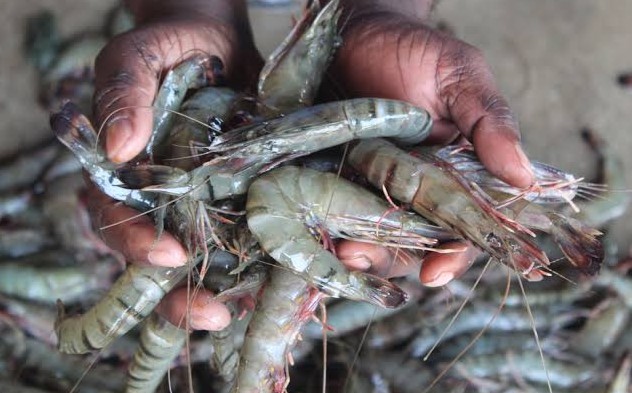
Bhubaneswar: Seeking to position Odisha as a major hub for sustainable aquaculture and seafood exports, the State Cabinet has approved a dedicated regulatory framework for farming of white leg shrimp (Litopenaeus vannamei) and other brackish water species in inland saline areas.
The policy creates a formal system to regulate aquaculture activities beyond the jurisdiction of the Coastal Aquaculture Authority and will apply to inland saline zones located between 2 km and 10 km from the High Tide Line.
The framework lays emphasis on scientific planning and environmentally responsible aquaculture practices. It mandates online registration of farms and introduces measures such as scientific site assessment, disease monitoring, biosecurity protocols, regular water quality checks and installation of Effluent Treatment Systems to minimise ecological impact.
To improve efficiency and competitiveness, the policy also encourages cluster-based shrimp farming supported by common infrastructure and the use of advanced aquaculture technologies.
The Fisheries and Animal Resources Development Department will oversee implementation and registration to ensure regulated expansion of inland aquaculture and improved compliance with environmental and operational standards.
Officials said the policy is expected to support higher productivity, strengthen disease management systems and create better income opportunities for aquaculture farmers.
The framework is expected to play a central role in the proposed Odisha Shrimp Mission, which forms part of the state’s broader Blue Economy strategy under Odisha Vision 2036 and Vision 2047.
Government projections indicate that the initiative could bring nearly 25,000 hectares under additional aquaculture, raise shrimp production from 1.6 lakh metric tonnes to 9 lakh metric tonnes, and generate employment and livelihood opportunities for around 2.5 lakh people. The state also expects a significant boost to seafood exports in the coming years.
With this initiative, Odisha aims to strengthen fisheries and aquaculture as key growth sectors and emerge as one of the country’s leading centres for shrimp production and export by 2047.