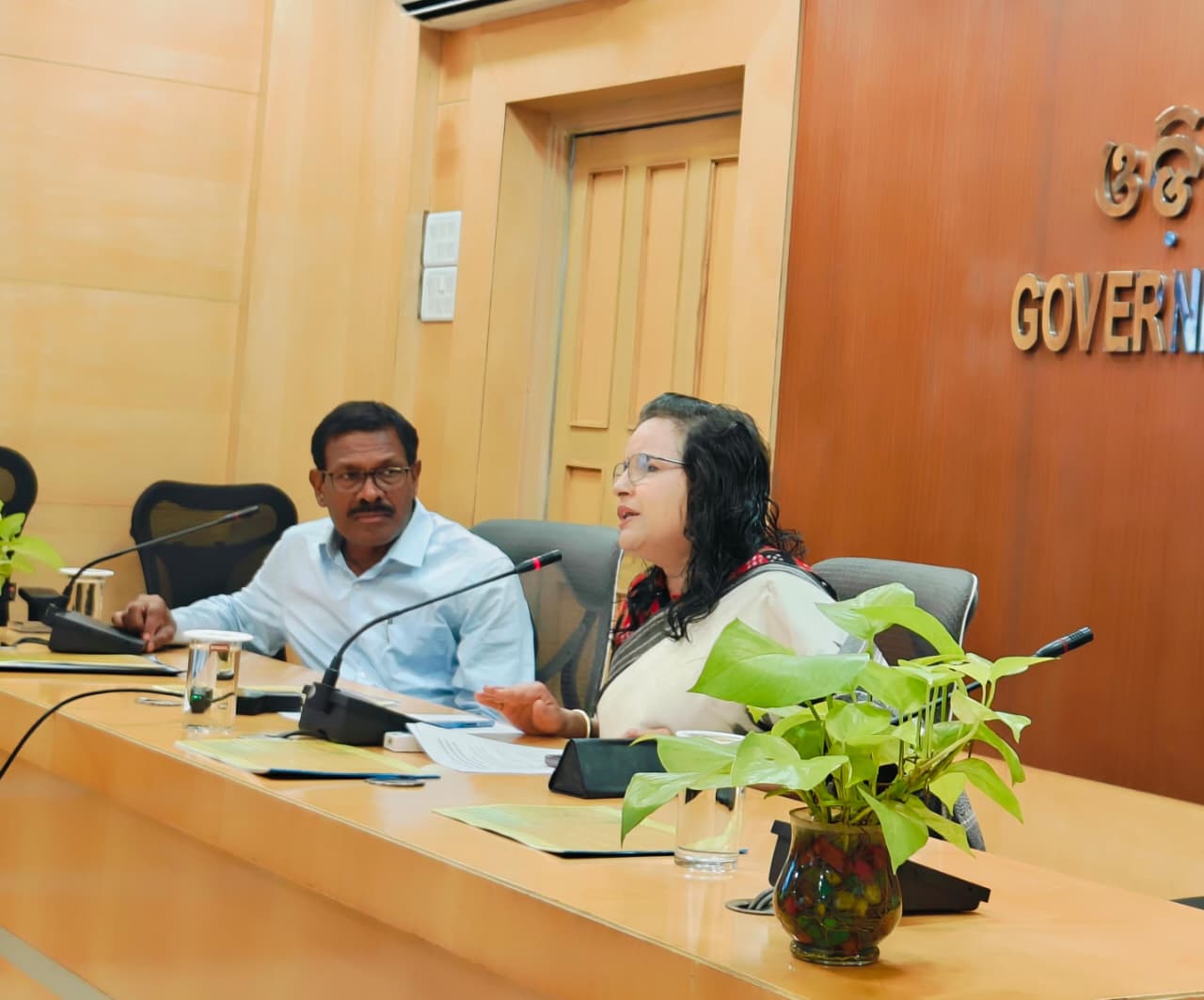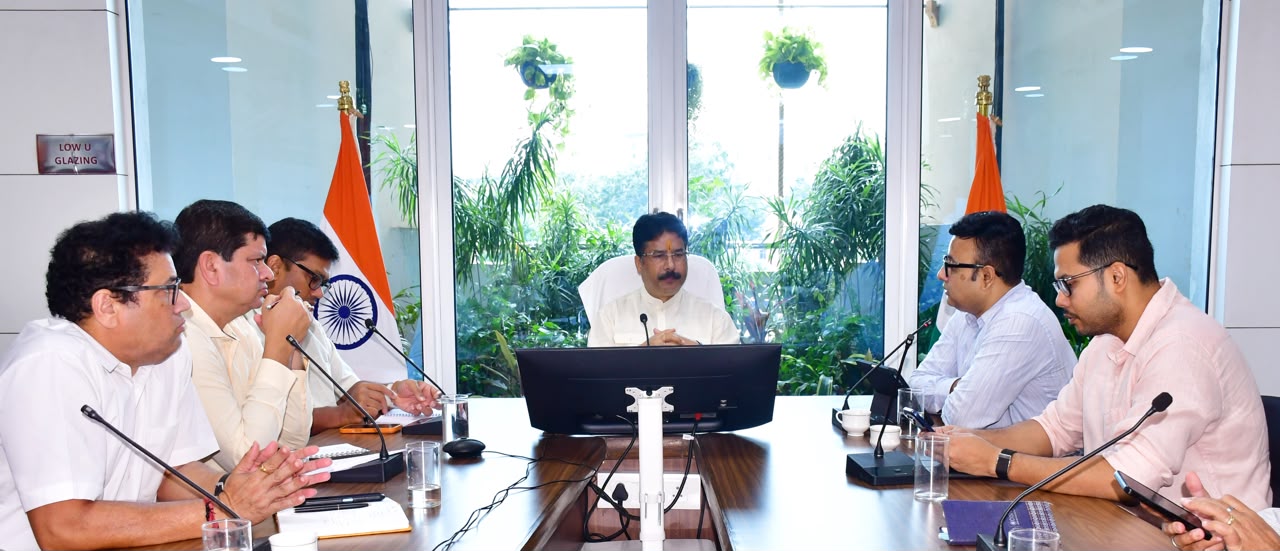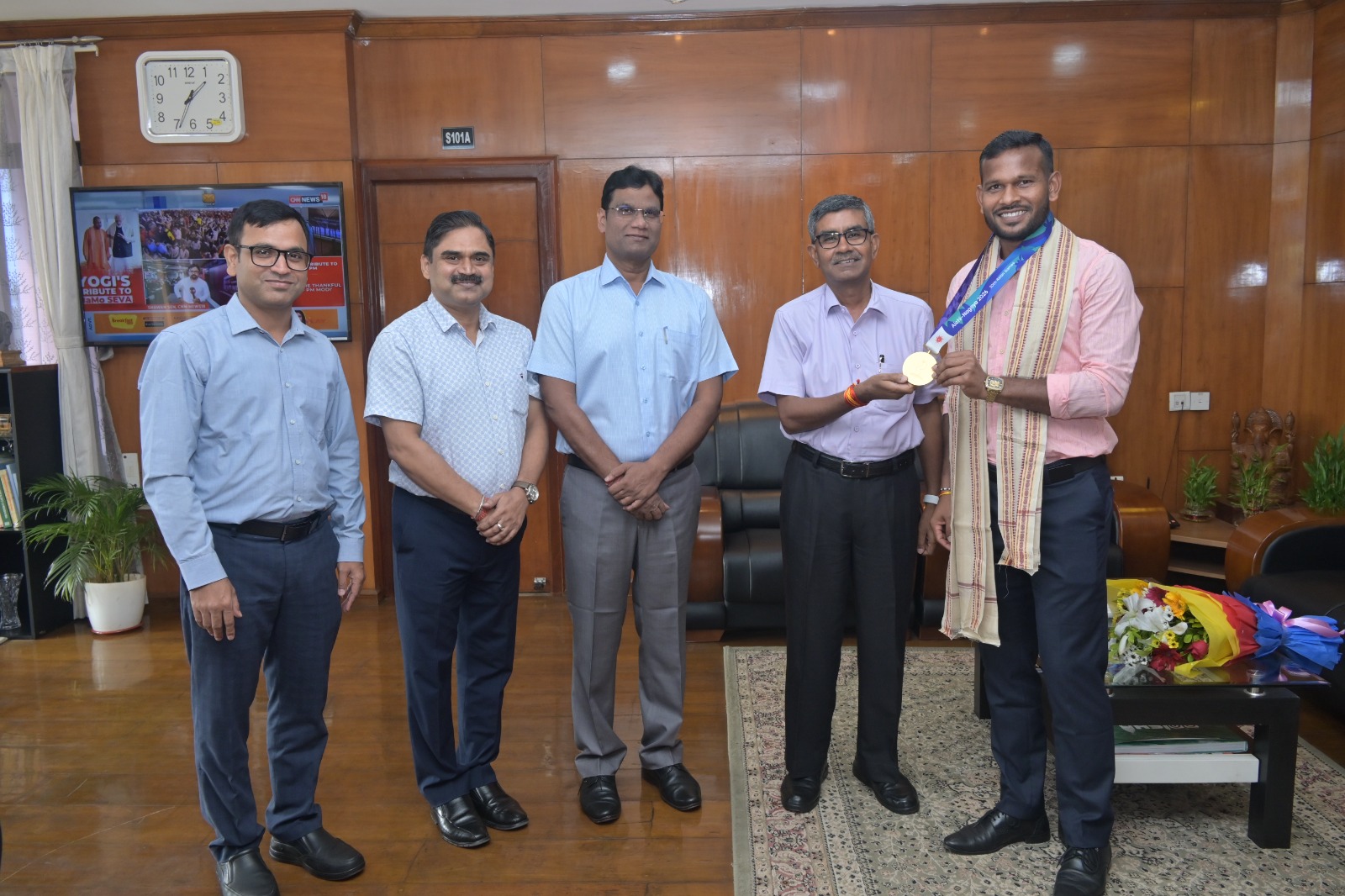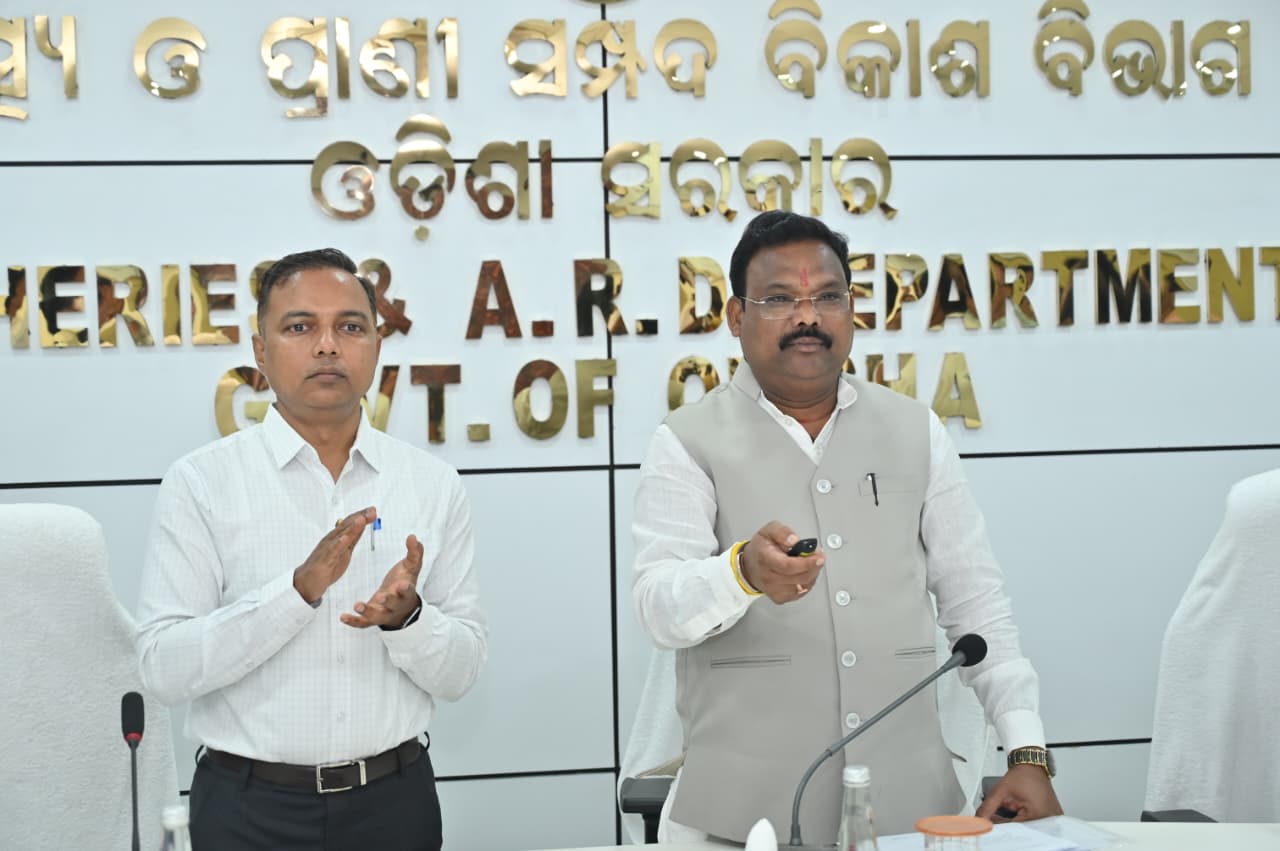
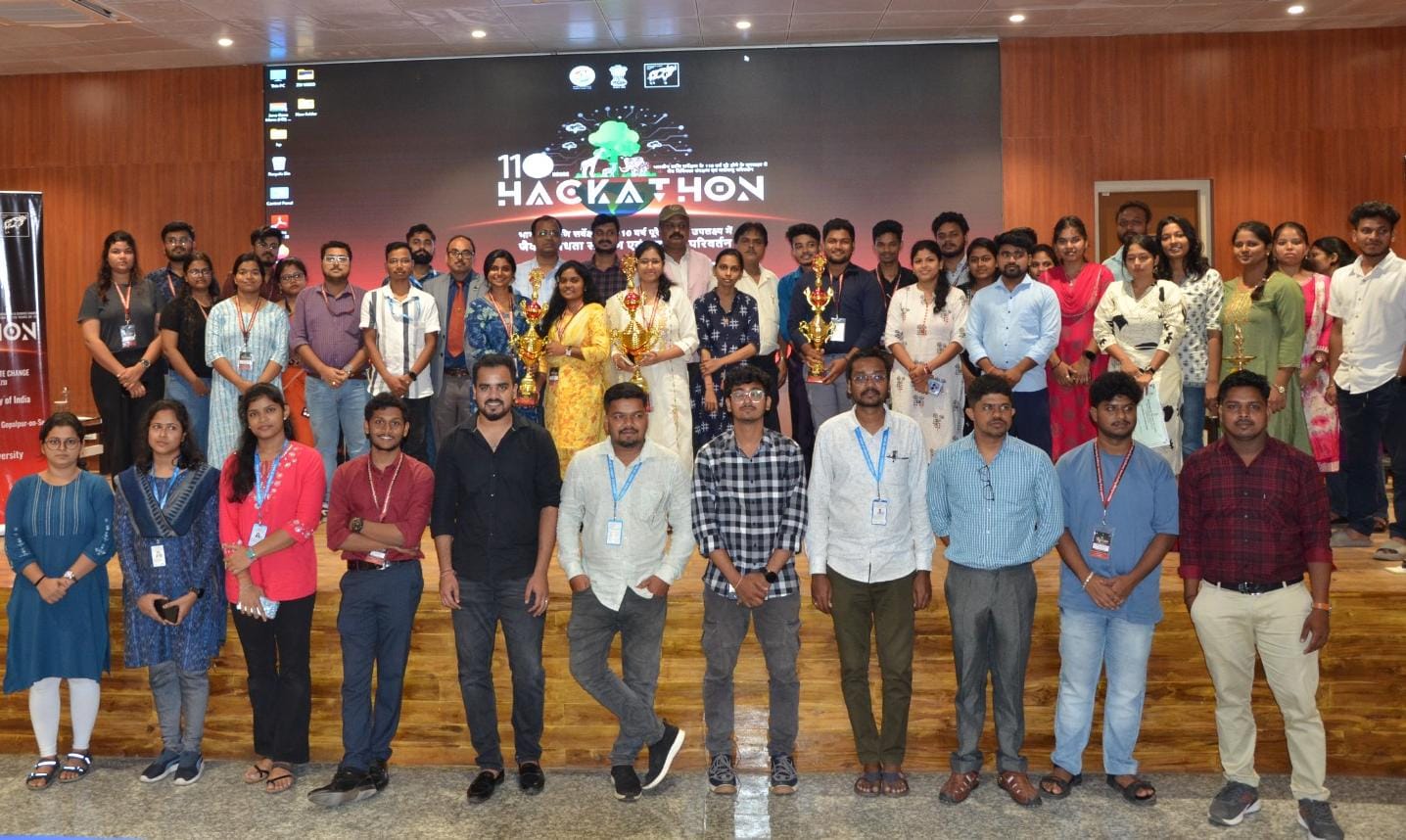
Gopalpur: In a spirited celebration of ecological responsibility and youth-led innovation, the Estuarine Biology Regional Centre of the Zoological Survey of India (ZSI), located at Gopalpur-on-Sea, successfully hosted a national-level Hackathon on the theme “Estuarine Faunal Diversity.” This event formed part of a larger 110-hour Hackathon programme being conducted across India by various ZSI regional centres, aimed at fostering conservation-centric solutions from young minds.
The intellectually charged event saw the participation of eight dynamic teams from reputed universities across the country, each presenting thoughtful conservation models to safeguard India’s vital estuarine ecosystems. Coordinated under the guidance of Officer-in-Charge Dr. Anil Mohapatra and Nodal Officer Dr. D. S. Suman, the programme highlighted a blend of academic rigor, environmental passion, and technological innovation.
The Hackathon was inaugurated by Prof. Geetanjali Dash, Vice Chancellor of Berhampur University, who served as the Chief Guest. In her address, Prof. Dash called for deeper collaboration among scientists, students, academicians, and forest officials. “Biodiversity conservation is a collective responsibility. Events like these inspire action and foster the synergy needed to protect our fragile ecosystems,” she noted.
Adding weight to the event, Divisional Forest Officer (DFO) of Berhampur, Sunny Khokkhar, joined as Guest of Honour. He underscored the real-world potential of student-led innovations, stating, “The solutions proposed by our young researchers today could become tomorrow’s blueprint for estuarine conservation. Their ideas deserve the full support of enforcement and scientific agencies.”
Renowned naturalist Prof. Sushil Kumar Dutta of Maharaja Sriram Chandra Bhanja Deo University, also present as Guest of Honour, praised the initiative as a breeding ground for scientific creativity. “Hackathons like these stimulate a new way of thinking and push students to translate ecological knowledge into actionable strategies,” he said.
A panel of esteemed judges—Jaya Kishore Seth (Assistant Professor, PG Department of Zoology, Berhampur University), Dr. Siba Prasad Parida (Professor), and Subhrendu Sekhar Mishra (former ZSI Scientist)—provided insightful evaluation throughout the event and were felicitated during the inaugural session for their contributions to science and conservation.
A highlight of the event was the triumph of the team from Odisha University of Agriculture and Technology (OUAT), Bhubaneswar. Comprising Swati Pradhan, Subham Mohapatra, and Sahil Samser Alam, the team impressed the jury with their cutting-edge approach and secured a place at the National Level Hackathon Competition. Their victory was a testament to the quality of innovation and teamwork fostered by the institution.
The Second Position was bagged by the team from the Centre of Advanced Study in Marine Biology (CASIN), Annamalai University, Tamil Nadu, which included Sandhiya P., Celcia Ganan Rathinam, and W. V. Their project reflected a deep understanding of marine systems and practical conservation techniques.
Securing the Third Position was the team from the Department of Environmental Science, Berhampur University, Odisha. Members Sakti Prasad Patnayak, Sandeep Rout, and Biswajit Samantaray were recognized for their impressive habitat modelling skills.
The Hackathon concluded with a strong message: the integration of science, policy, and community involvement is vital for sustaining India’s estuarine biodiversity. Organizers expressed gratitude to the participants, mentors, and guests, pledging to continue such innovative platforms to nurture the next generation of ecological stewards.