Bhubaneswar: A high-level World Bank delegation visited Bhubaneswar today to review Odisha’s flagship urban development initiatives and explore opportunities for deeper collaboration with the State Government.
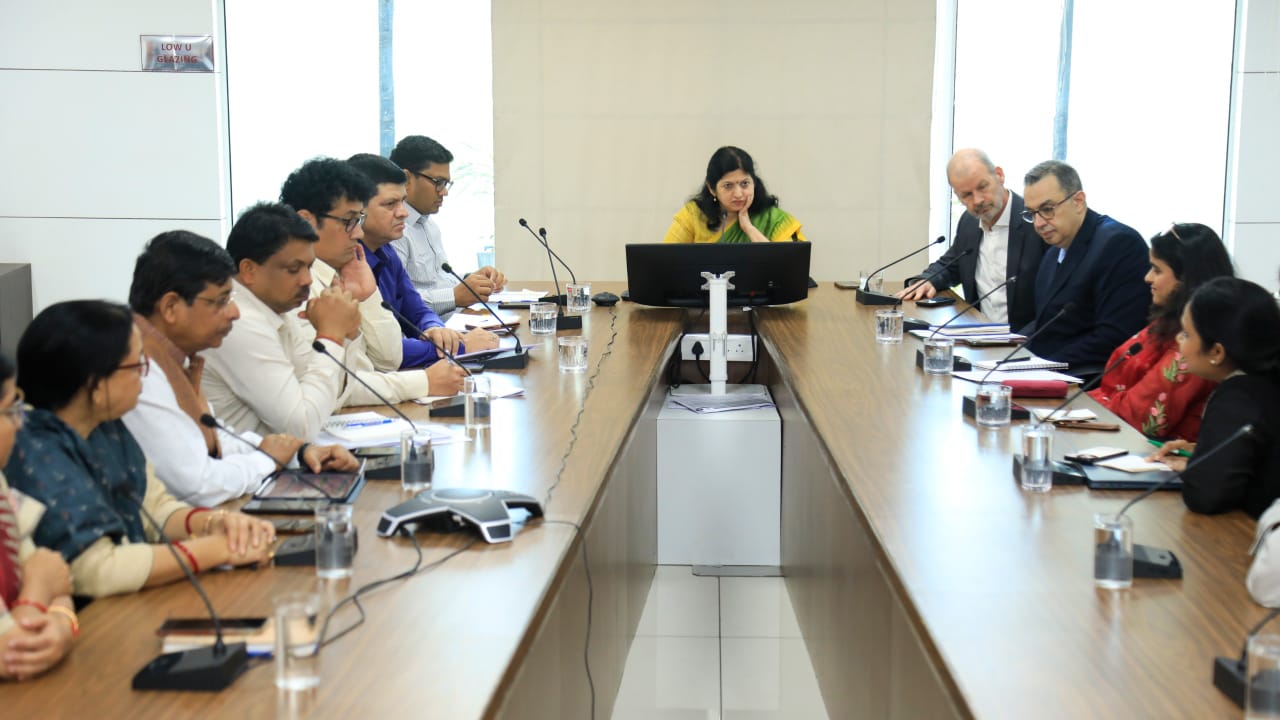
The delegation was welcomed by the Housing & Urban Development Department, where Principal Secretary Usha Padhee presented Odisha’s Urbanisation & Development Road Map. The briefing highlighted major progress in 24×7 Drink-From-Tap water supply, sanitation reforms, urban mobility, affordable housing, and citizen-centric digital governance.
The visiting team comprised Johannes Zutt, Regional Vice President; Imad Fakhoury, Director; Keiko Inoue, South Asia Practice Manager (Education); Aparnaa Somanathan, South Asia Practice Manager (Health & Social Protection); Soumya Kapoor Mehta, Senior Economist; and Kritika Singh, Country Management Team representative.
During their interaction at Kharavel Bhawan, the delegation engaged with senior departmental officials and appreciated Odisha’s data-driven, outcome-focused approach to urban reforms and service delivery.
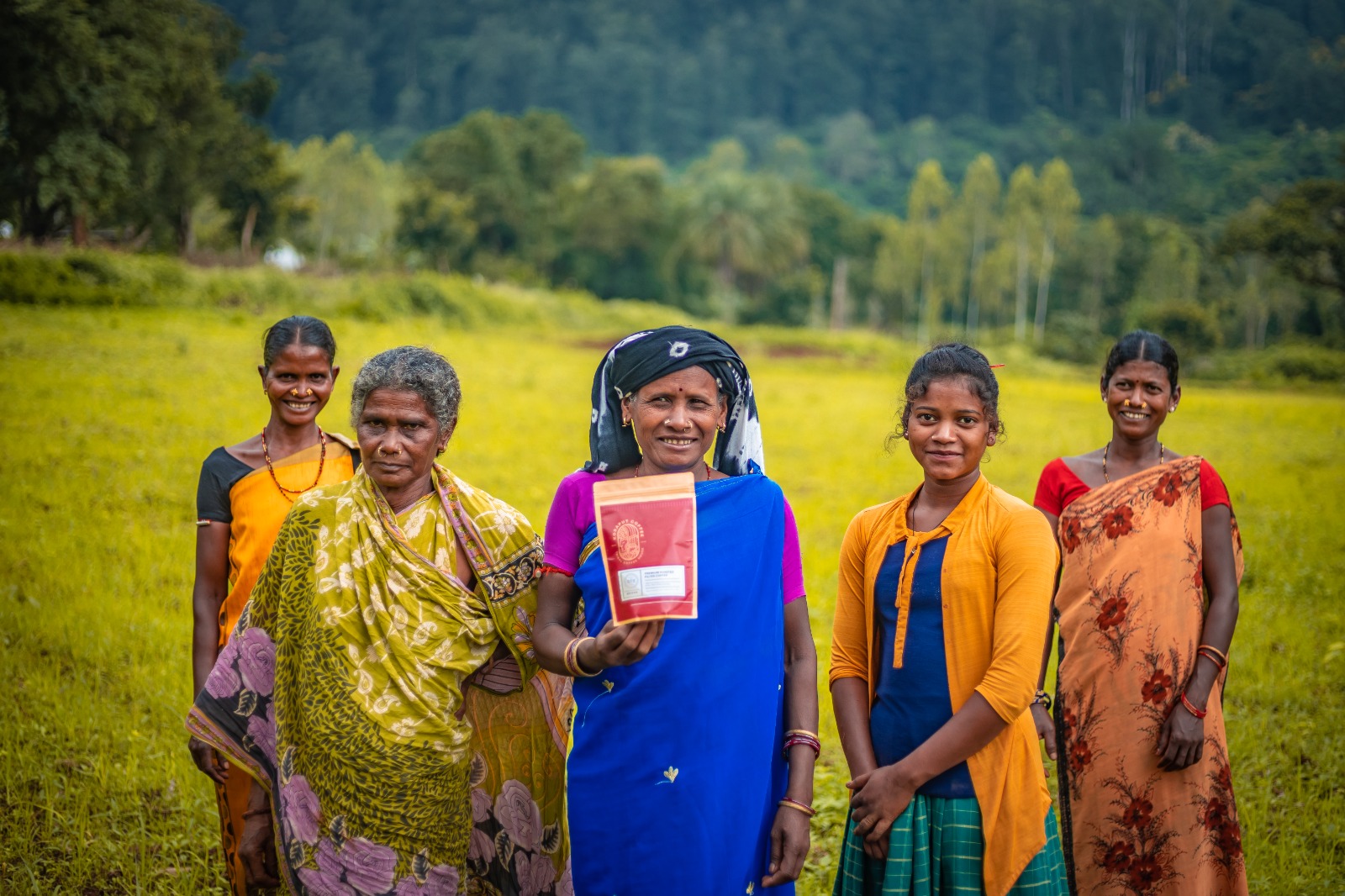
Following the presentations, the delegation visited Palasuni, where they observed sanitation best practices, including the 150-TPD Material Recovery Facility, coconut-waste recycling unit, Water Treatment Plant, and community-led waste management operations. They interacted with Swachh Karmis and Women SHGs, commending community ownership in environmental stewardship and decentralised sanitation systems.
The delegation also met beneficiaries of the Affordable Housing Project at Nilamadhab Niwas, who shared their experiences of improved housing quality, better neighbourhood amenities, and enhanced livelihood opportunities after relocation.
Throughout the visit, the World Bank team acknowledged Odisha’s advances in CRUT-led public transport, e-rides under Odisha Yatri, SUJOG digital services, and the GARIMA framework ensuring safety and dignity for sanitation workers.
Impressed by the State’s emphasis on scale, inclusivity, and measurable social impact, the World Bank expressed interest in expanding collaboration in urban resilience, sanitation, affordable housing, institutional capacity building, and governance-centric service delivery.