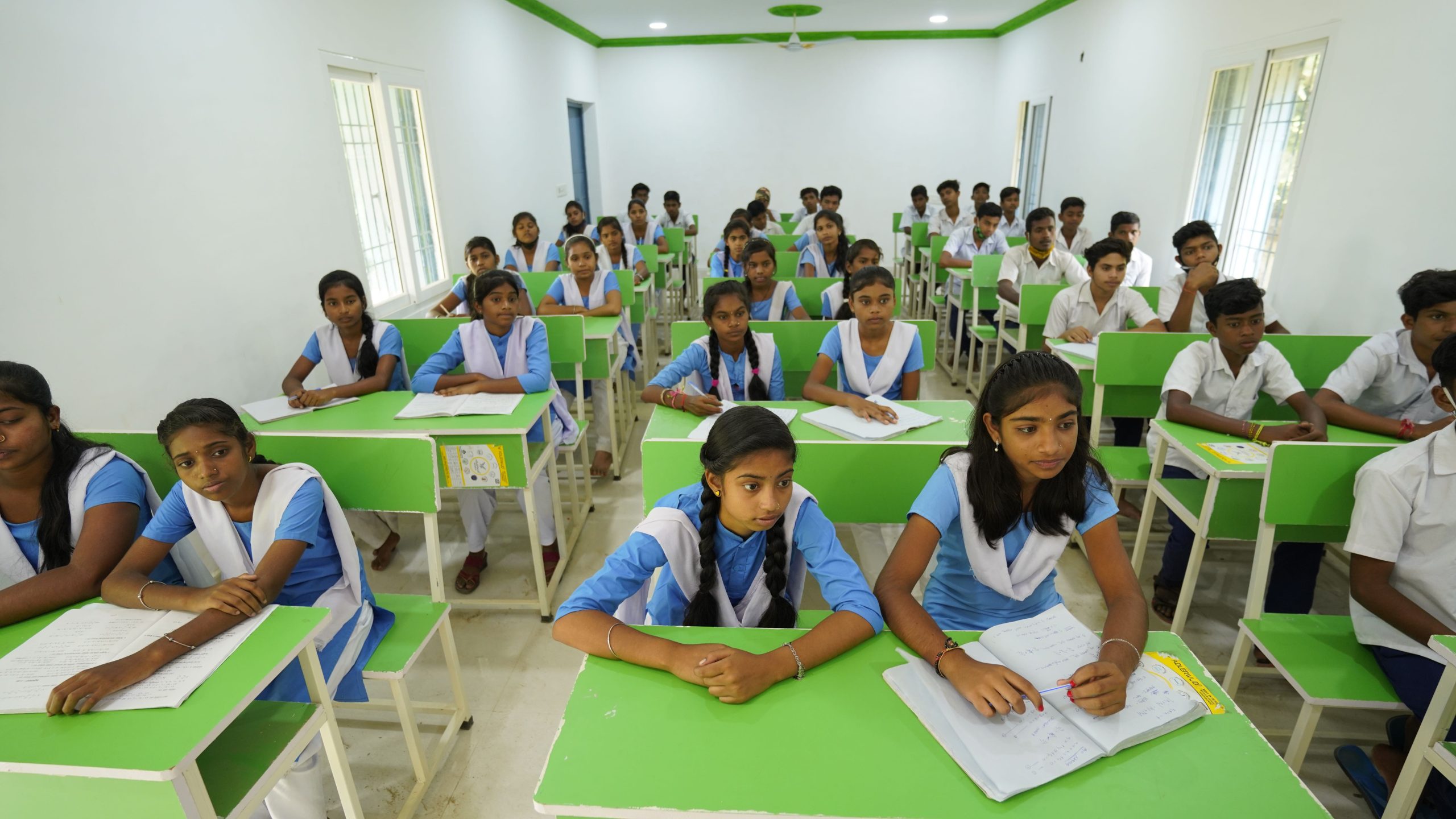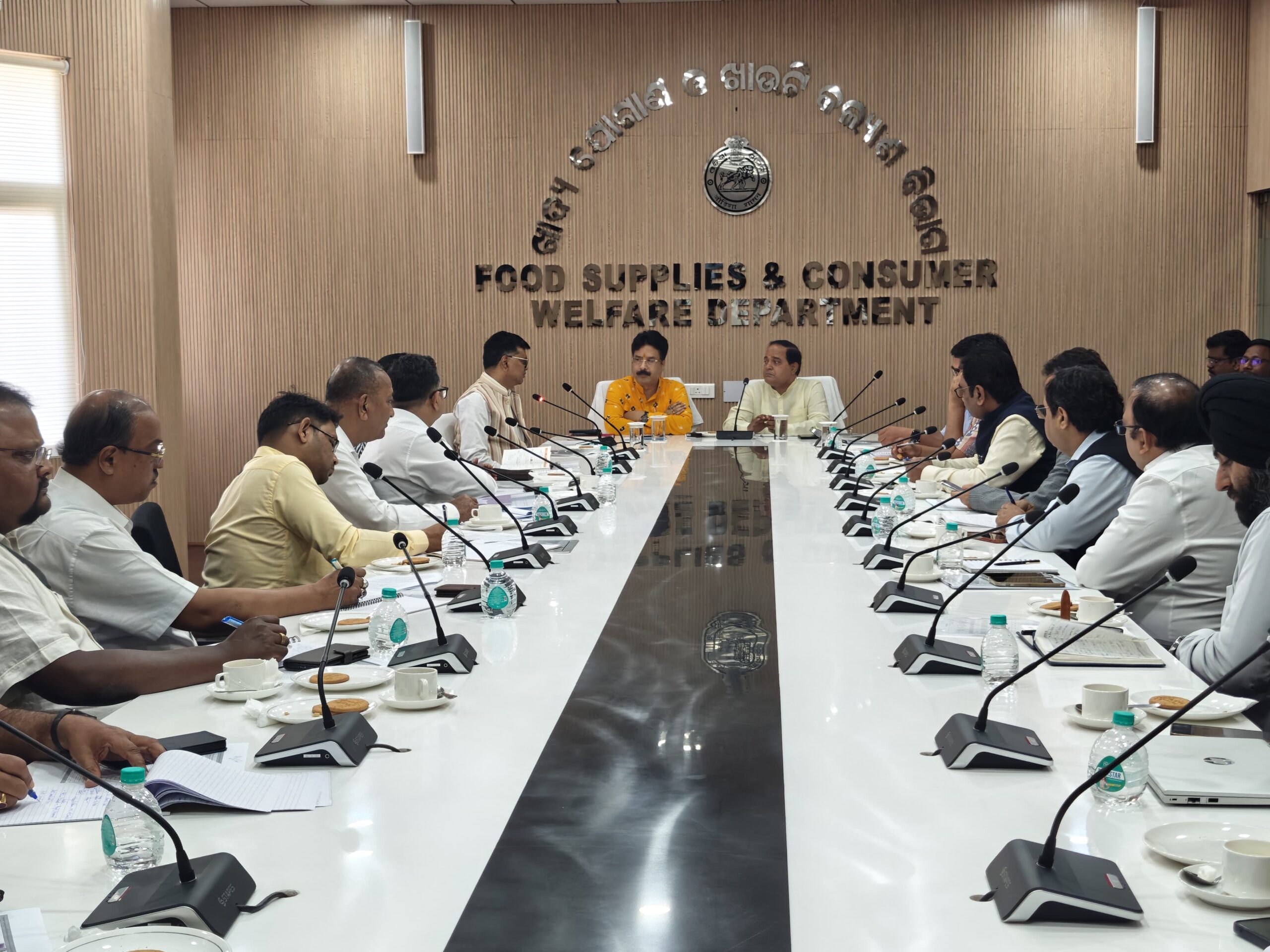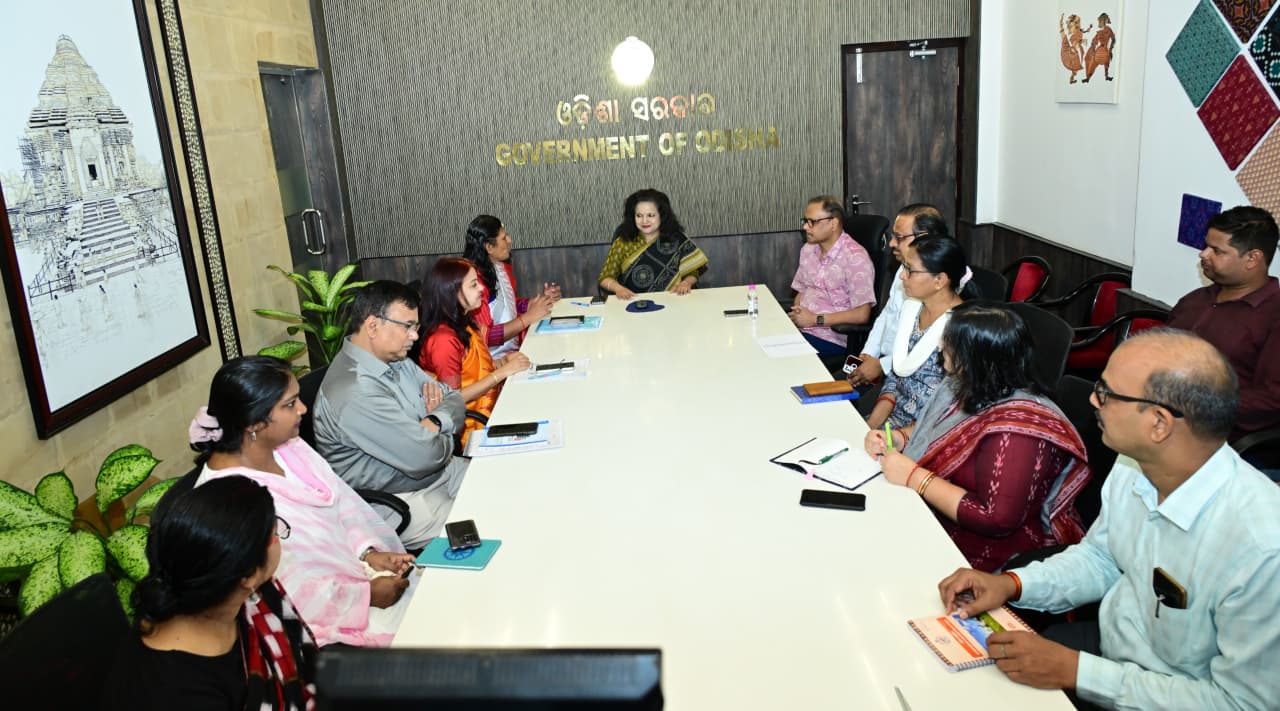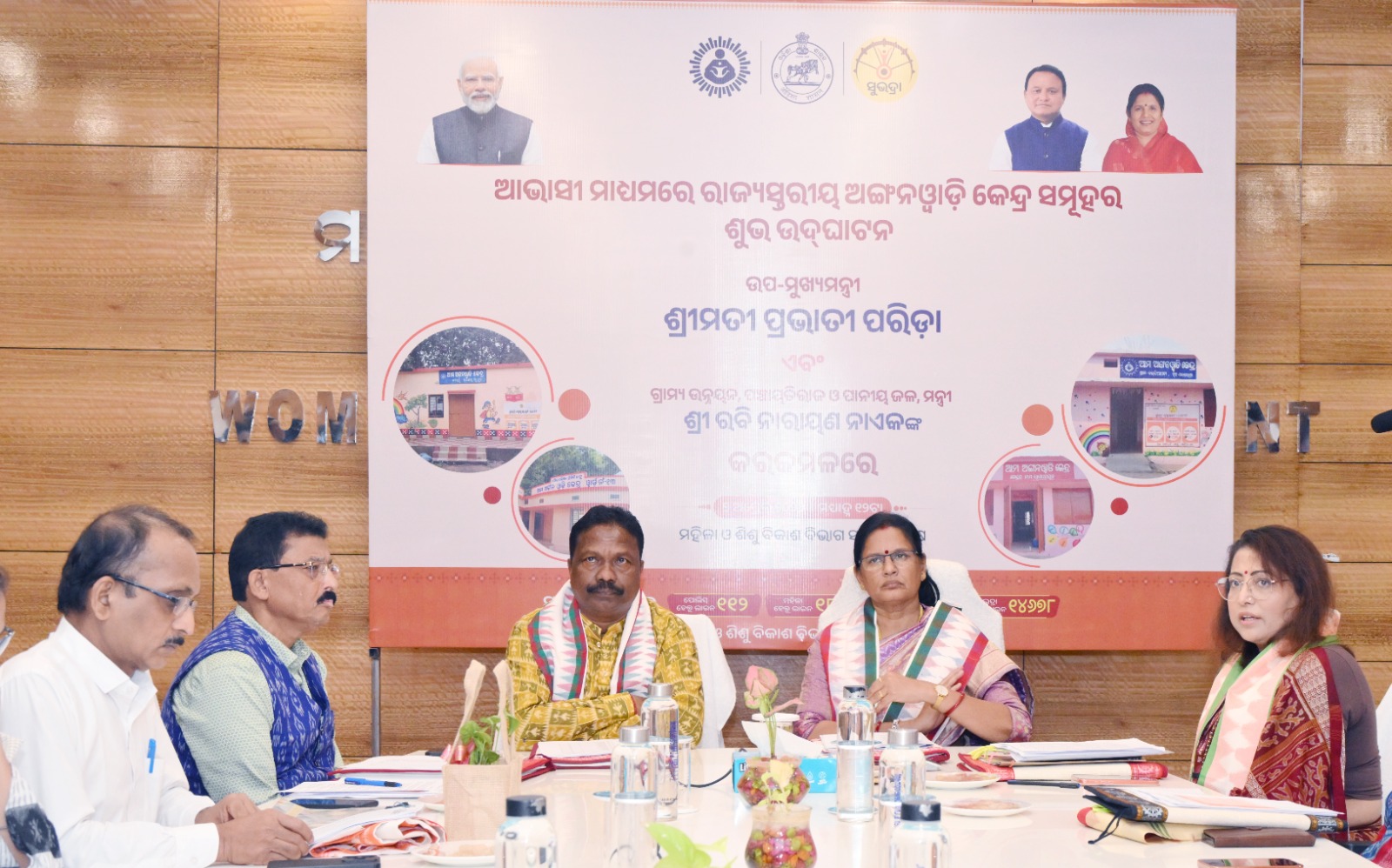
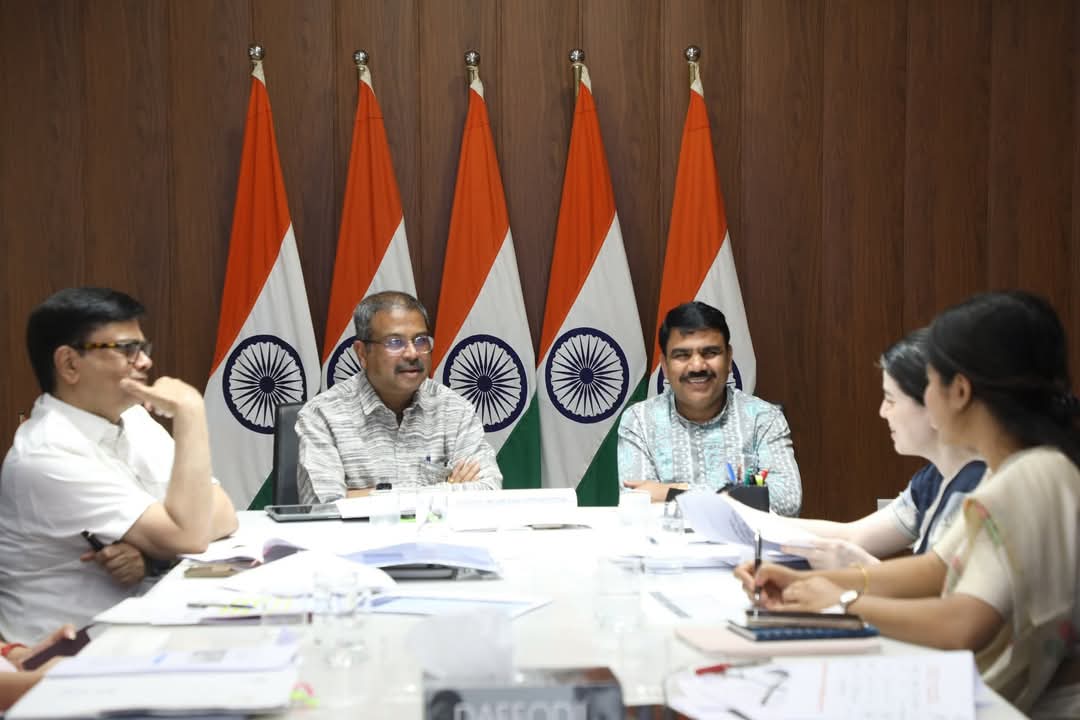
Bhubaneswar: Union Minister of Education Dharmendra Pradhan chaired a high-level review meeting in Bhubaneswar today to assess the implementation of flagship school education programs in Odisha, with a strong emphasis on the progress made under the National Education Policy (NEP) 2020.
The meeting brought together senior officials from both the Centre and the State, including Odisha’s School and Mass Education Minister Nityananda Gond, Union Education Secretary Sanjay Kumar, School and Mass Education Secretary Shalini Pandit, OSEPA State Project Director Ananya Das, Director of PM Poshan Anuj Das Pattnaik, SCERT Director Manoj Kumar Padhi, and Director of Higher Secondary Education Raghuram R. Iyer.
Key discussions focused on enhancing school infrastructure, aligning textbooks and teaching materials with the National Curriculum Framework, and strengthening teacher training initiatives. The implementation status of central education schemes such as PM Poshan, Samagra Shiksha, and PM SHRI Schools was also thoroughly reviewed, along with Odisha’s own educational programs.
A major highlight of the meeting was the integration of Shishu Vatika (pre-school sections) in all primary schools—a critical step in realizing the NEP’s vision of early childhood care and education. Officials also reviewed the progress in developing a state curriculum rooted in Odisha’s local context, guided by a dedicated steering committee.
Expanding access to digital learning, creating more integrated school complexes from primary to higher secondary levels, and increasing enrollment in residential schools like Kasturba Gandhi Balika Vidyalayas and Netaji Subhas Chandra Bose Residential Schools were among the other key areas of focus.
Minister Pradhan also appreciated the seamless integration of Odisha’s Chief Minister’s Poshan Scheme with the central PM Poshan program. The scheme now benefits students from pre-school to Class 10, offering not only midday meals but also nutritious laddus thrice a week and an extra egg, aiming to improve student nutrition, retention, and overall health.
In particular, Pradhan lauded Odisha’s door-to-door survey of children aged 0 to 18 years, which aims to identify out-of-school children and bring them into the formal education system. The comprehensive survey also collects valuable data on mother tongues, disabilities, and likely enrollment trends for the next academic year. “This is a model that can inspire other states,” Pradhan said, commending the state’s proactive approach.
The review follows the recent three-day national conference of education secretaries held in New Delhi, where Odisha’s innovative practices and progress were showcased to a national audience.