
Jaipur: In the wake of recent structural mishaps during heavy monsoon rains, the Rajasthan government has initiated a large-scale demolition campaign targeting unsafe buildings across the state. The Department of Autonomous Governance has ordered the sealing and demolition of 2,699 dilapidated structures, aiming to avert further tragedies during the ongoing rainy season.
The decision comes after alarming incidents in Jhalawar and Jaisalmer, where crumbling buildings and intense downpours raised urgent concerns about public safety. The department has responded by placing urban local bodies on high alert and launching a comprehensive review of structural stability in towns and cities.
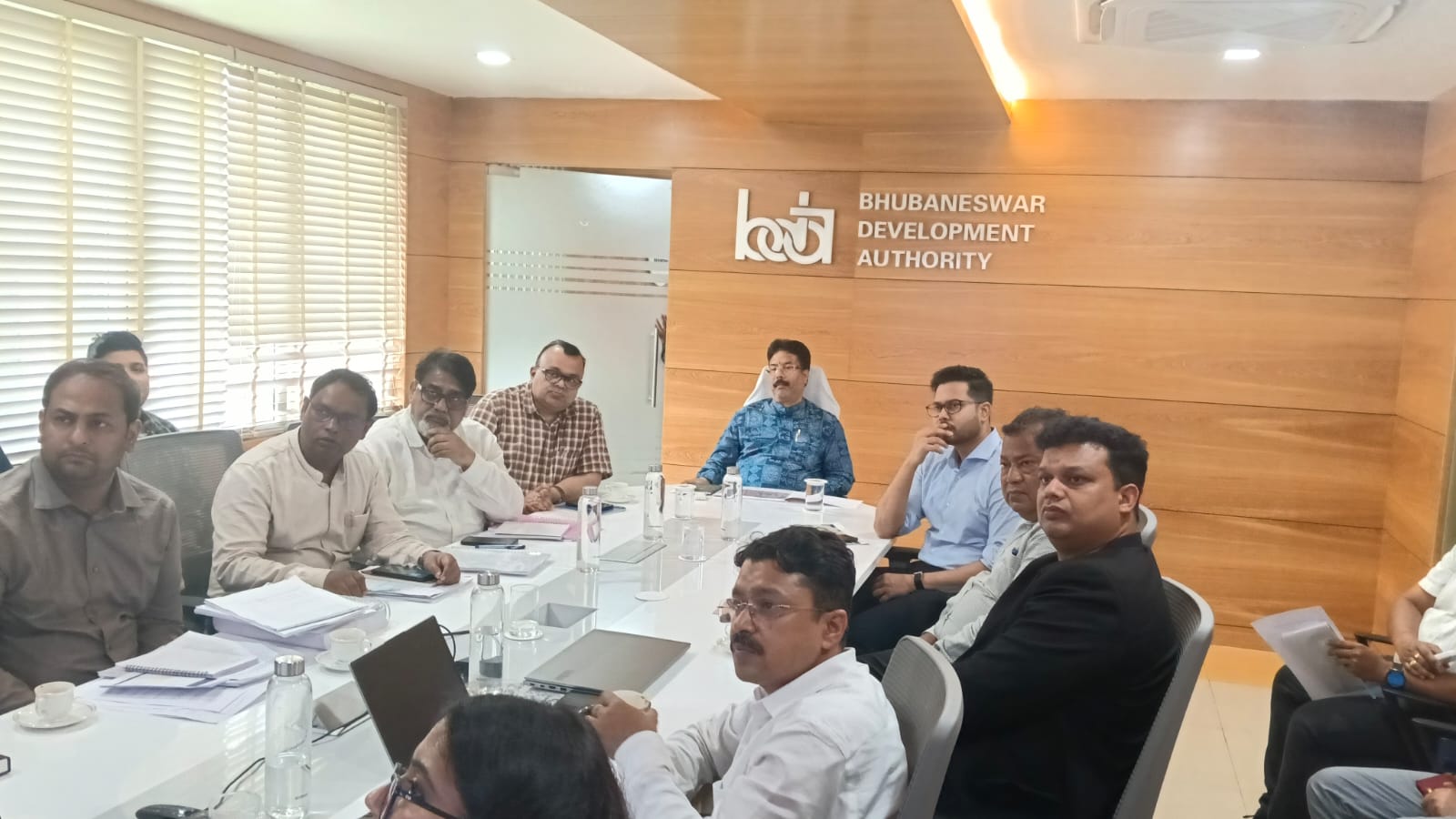
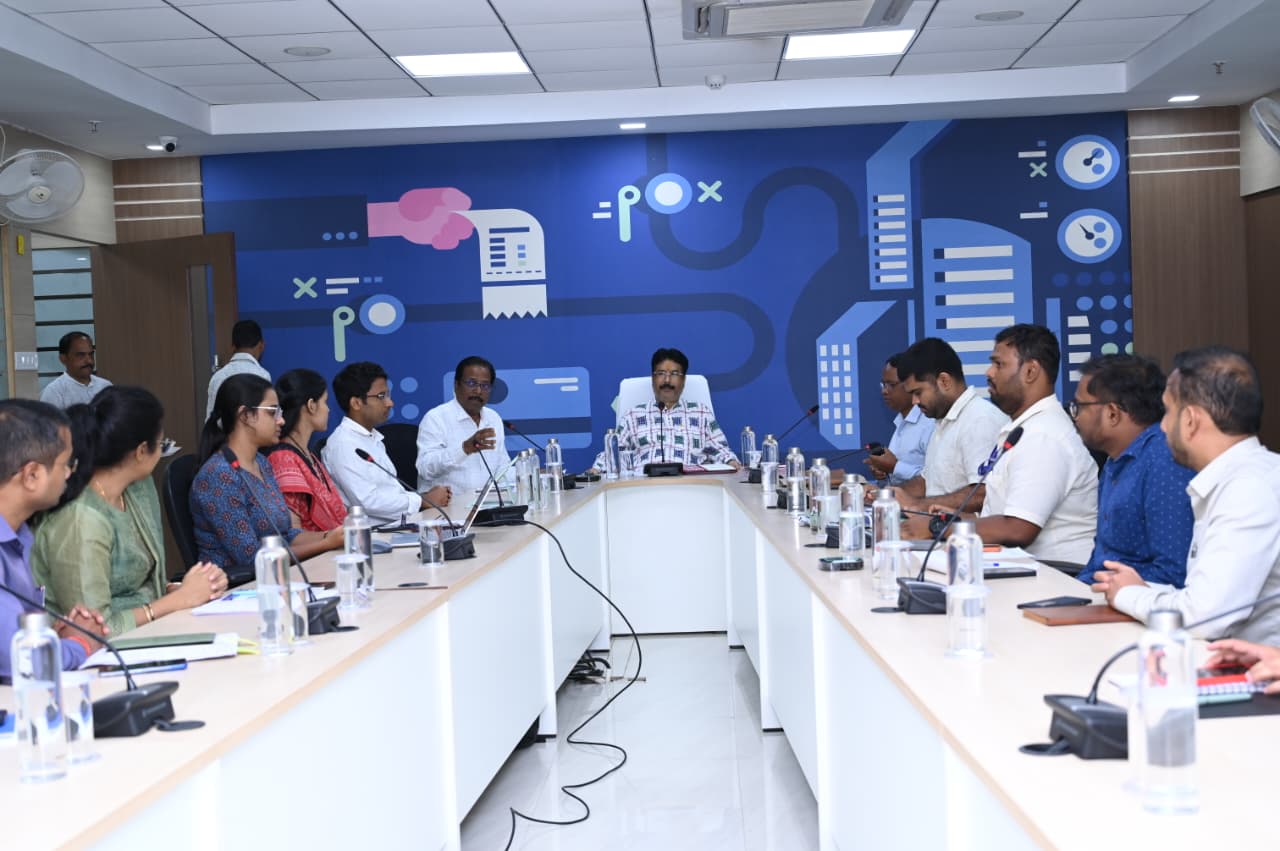
On Thursday, Administrative Secretary Ravi Jain chaired a virtual meeting with officials from 224 urban local bodies, outlining immediate steps to be taken to prevent casualties linked to weakened buildings and rain-related hazards. The meeting marked the formal launch of an aggressive enforcement drive to identify, seal, and demolish structures considered a danger to life and property.
Jain emphasized the urgency of the situation, stating that proactive action was critical to avoid further loss of life. He instructed all municipal commissioners and executive officers to personally inspect buildings in their jurisdictions and expedite the removal of those declared unsafe. He also stressed the need for increased public awareness, directing that warning signs be prominently displayed on dangerous buildings to prevent accidental injuries.
Data presented during the meeting confirmed that 2,699 buildings had already been marked as structurally unsound based on physical inspections and audits conducted under state guidelines. The demolition process is already underway, with priority given to densely populated and high-risk areas.
Beyond structural concerns, the meeting also addressed mounting risks from faulty electrical infrastructure. Jain pointed to a rising number of incidents involving loose or exposed wires, especially during rainfall, which have led to shocks, fires, and short circuits. In response, he ordered immediate coordination with engineers from power distribution companies (discoms) to repair or remove all exposed wires near roads, electric poles, cable boxes, and switchboards.
Municipal fire brigades were directed to remain in a state of round-the-clock readiness, equipped with vehicles and personnel to handle emergencies such as collapses and electrical fires. Jain insisted that all damaged or broken electric switch boxes must be promptly repaired or replaced, warning that even small lapses during the monsoon could prove life-threatening.
Officials were also instructed to submit regular progress reports to the department, ensuring transparency and accountability in the implementation of these safety measures.
As Rajasthan continues to experience heavier-than-normal monsoon rainfall, the state’s urban safety mechanisms are being put to the test. The current drive reflects a broader push to build resilience in city infrastructure and minimize risk through decisive, ground-level interventions.