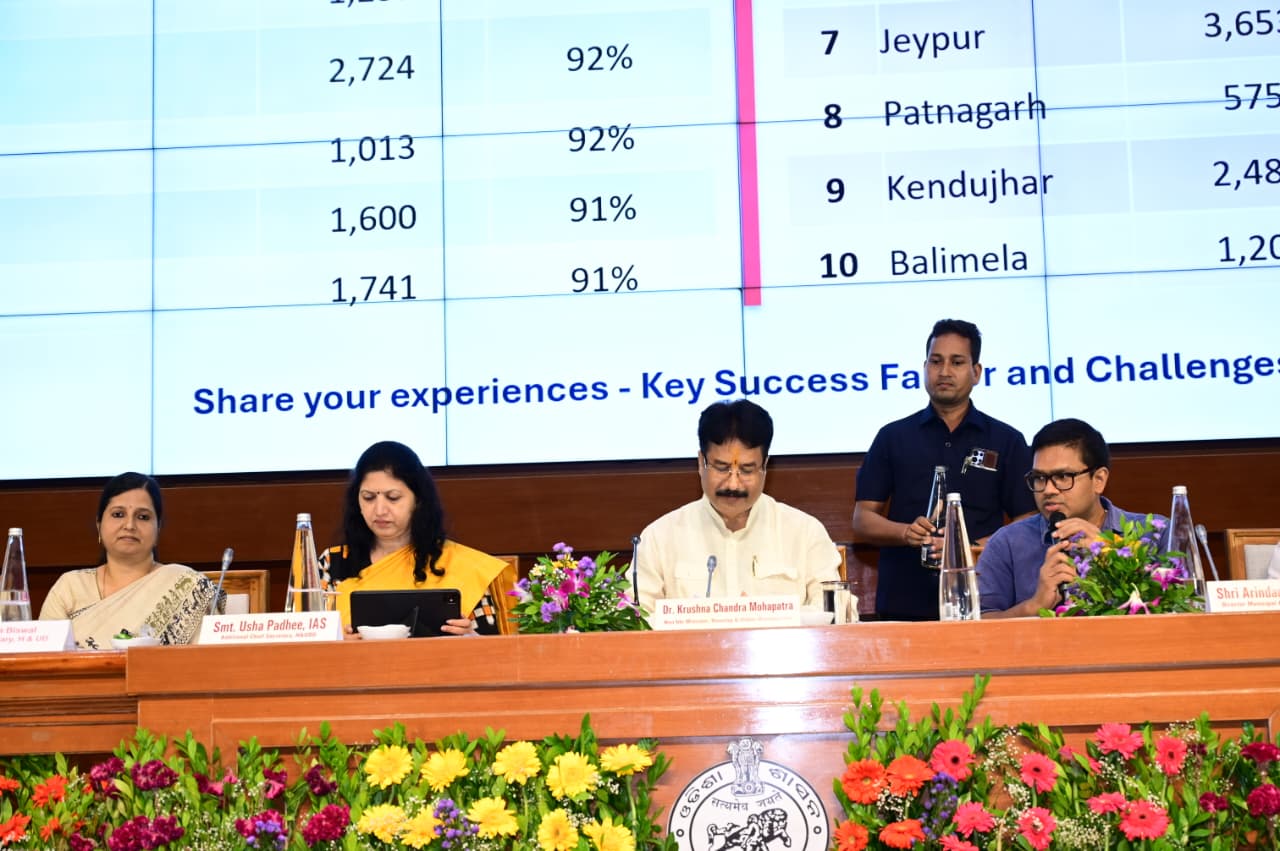
Bhubaneswar: Strengthening urban governance and improving the performance of municipal bodies took centre stage at the Odisha Urban Conclave 2026, where the state government reviewed key urban development programmes and outlined priorities for making cities more efficient, resilient and citizen-friendly.
Organised by the Housing & Urban Development Department at the Convention Centre Auditorium, Lok Seva Bhawan, on Sunday, the conclave brought together senior administrators, municipal officials, urban planners, engineers, technical experts and other stakeholders from across Odisha.
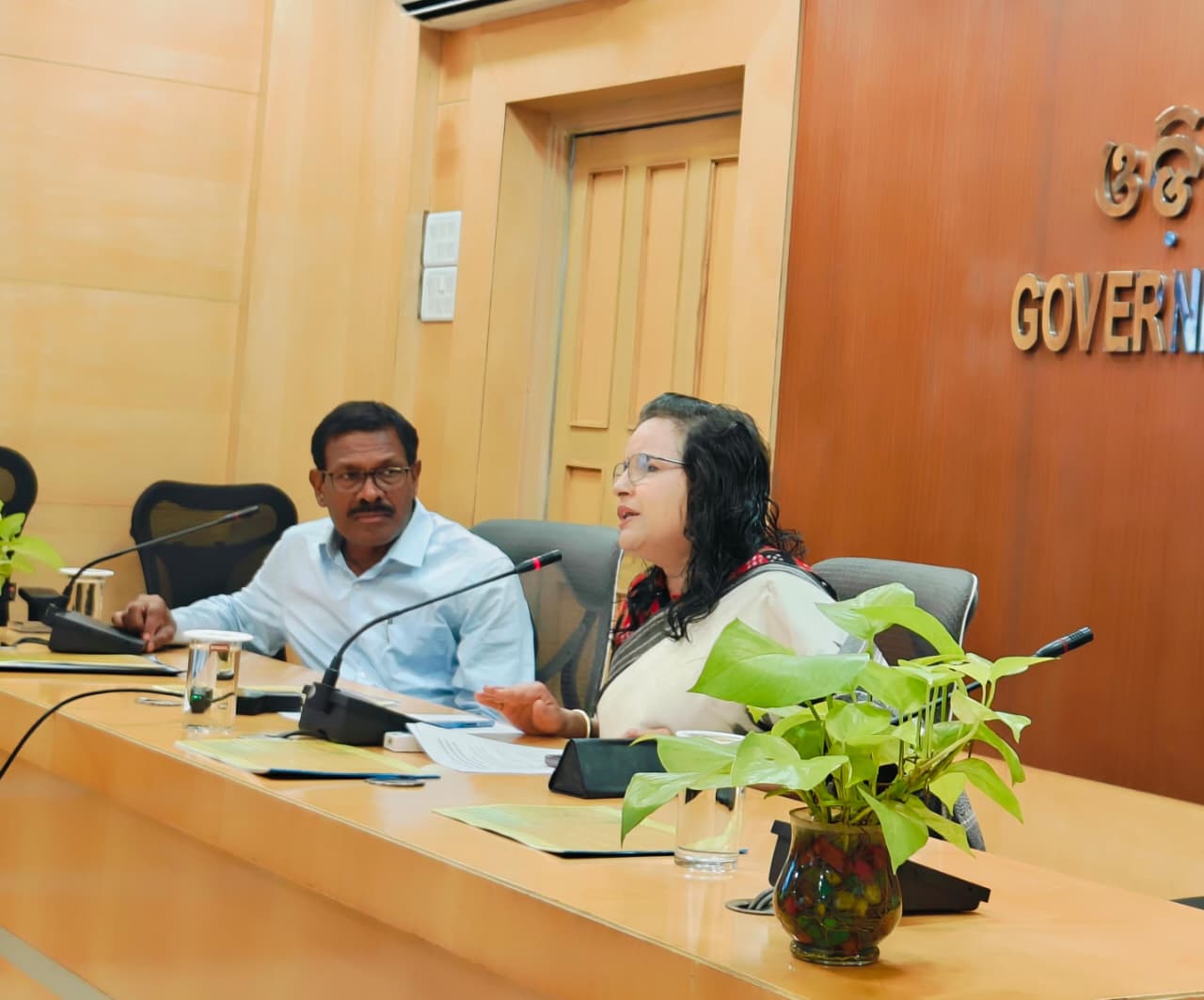
Additional Chief Secretary, H&UD Department, Usha Padhee, in her welcome address, highlighted the need for stronger institutional capacity within Urban Local Bodies (ULBs), better financial management and effective implementation of government schemes. She stressed that urban programmes should be assessed on the basis of outcomes and their impact on citizens.
A major focus of the morning sessions was the financial performance of ULBs. Officials reviewed municipal revenue generation, budget utilisation, expenditure patterns and measures to improve overall performance. Low-performing ULBs were also examined to identify bottlenecks and initiate corrective measures.
The conclave subsequently turned to urban planning and infrastructure, with discussions on Town Planning Scheme Standard Operating Procedures, Samruddha Sahar, the Urban Challenge Fund and planned development of Tier-II and Tier-III cities. The Mukhyamantri Sahari Bikas Yojana, pedestrian-friendly roads and the Rural-Urban Transition Policy were also discussed.
Officials emphasised the need for coordinated urban planning so that infrastructure expansion keeps pace with population growth while ensuring accessibility, resilience and sustainable development.
The implementation of citizen-focused welfare programmes was also reviewed. Discussions covered PM SVANidhi, Shelters for Urban Homeless, Sahajog, Sahajog Plus and Aahaar, with emphasis on improving delivery mechanisms and ensuring that benefits reach eligible beneficiaries efficiently.
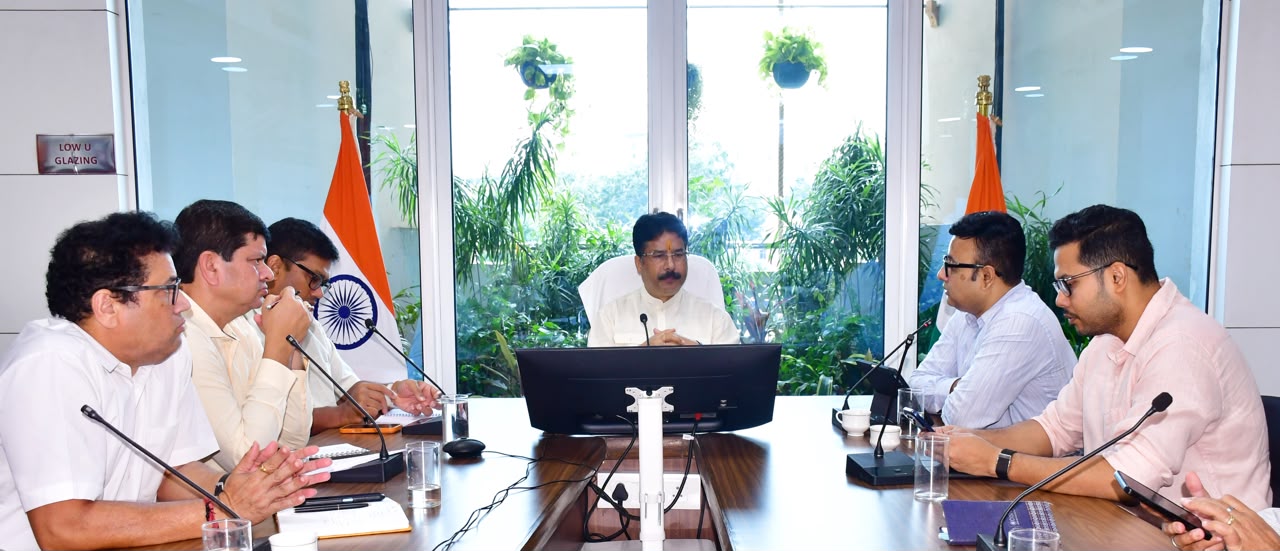
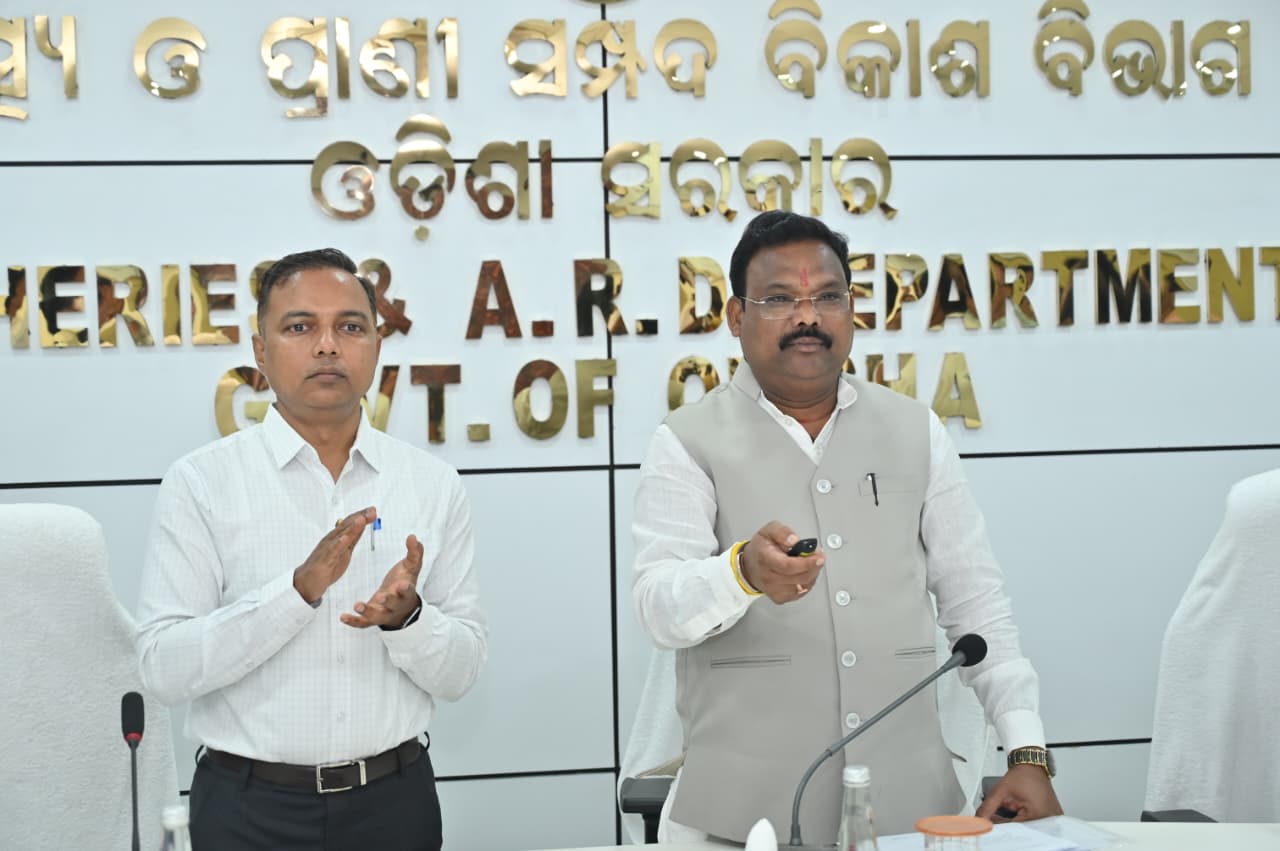
Addressing the conclave, Housing & Urban Development Minister Dr Krushna Chandra Mahapatra called for greater efficiency and accountability among ULBs. He said urban development must remain focused on improving the quality of services and creating infrastructure that responds to the changing needs and aspirations of citizens.
The minister also stressed the importance of timely project execution and effective monitoring, stating that governance reforms and development initiatives would have to translate into visible improvements in people’s everyday lives.
Technology-driven urban governance featured prominently in the afternoon sessions, with officials reviewing the SUJOG e-governance platform, housing initiatives under PMAY-U 2.0 and Affordable Rental Housing. Urban mobility, including the expansion of the CRUT city bus network, was also discussed along with strategies for strengthening solid and liquid waste management.
A parallel technical symposium focused on Used Water Management, bringing together experts and practitioners from CPHEEO, IIT Palakkad, IIT Roorkee, IIT Bhubaneswar, CEEW, CSE, OWSSB and the Water Resources Department.
The technical discussions covered decentralised wastewater treatment, sewage and faecal sludge treatment, biosolids management, urban drainage and the safe reuse of treated wastewater. Experts also discussed technology-based solutions that could be adapted to the varied requirements of Odisha’s urban centres.
Industry representatives showcased solutions including low-footprint sewage treatment plants, vacuum sewerage systems and mechanised sludge management technologies, offering potential approaches for improving sanitation and wastewater management in the state.
The Odisha Urban Conclave provided a common platform for reviewing progress, addressing gaps and sharing best practices among ULBs. The deliberations are expected to guide the state’s future urban development efforts with greater emphasis on institutional capacity, technology, financial sustainability and citizen-centric services.