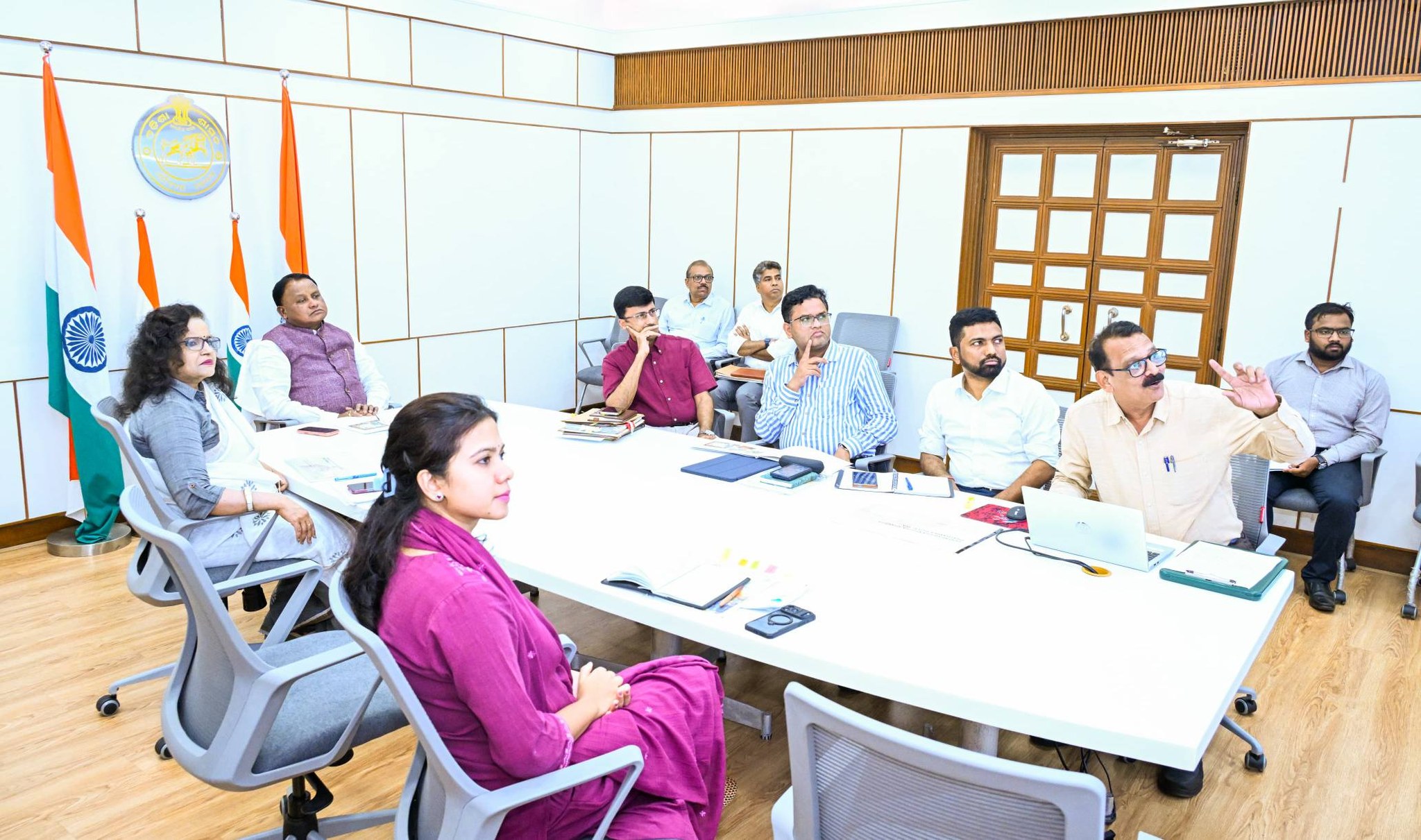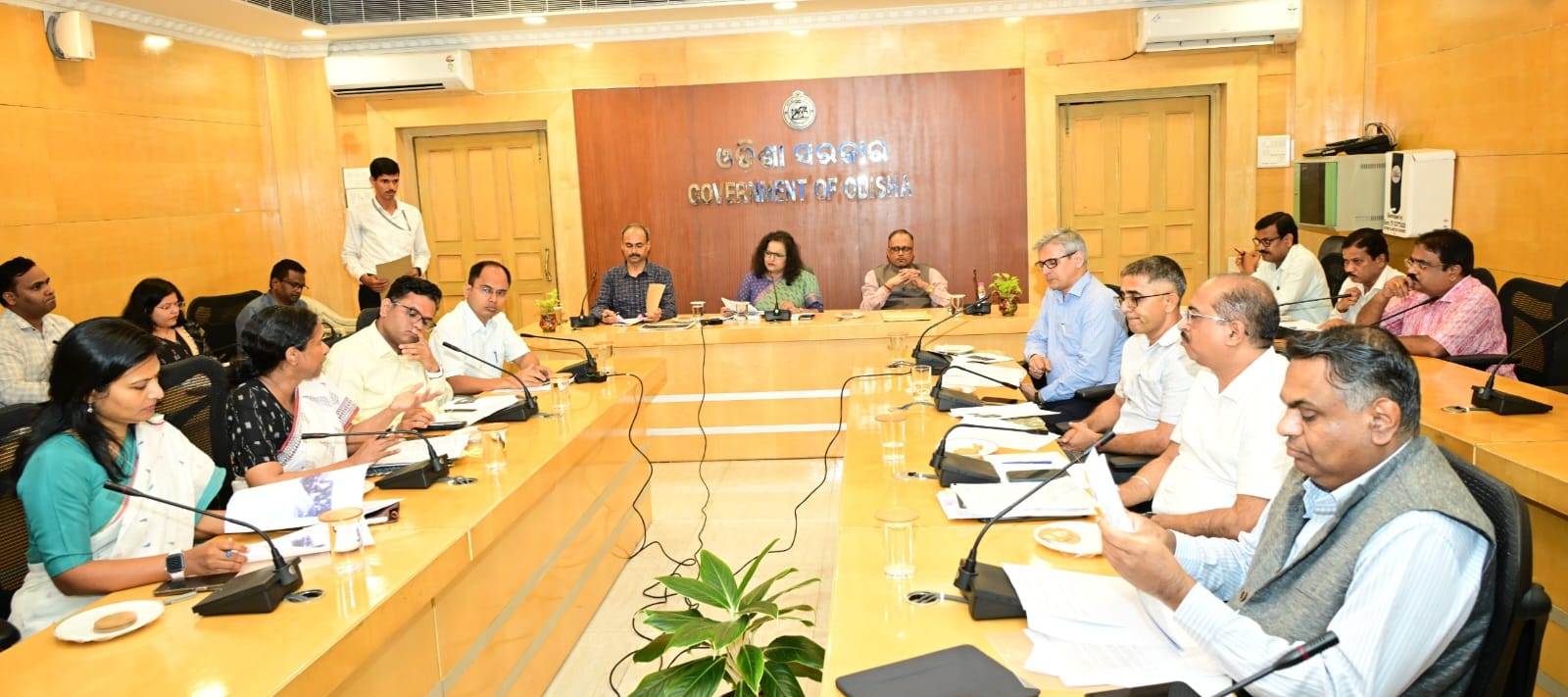
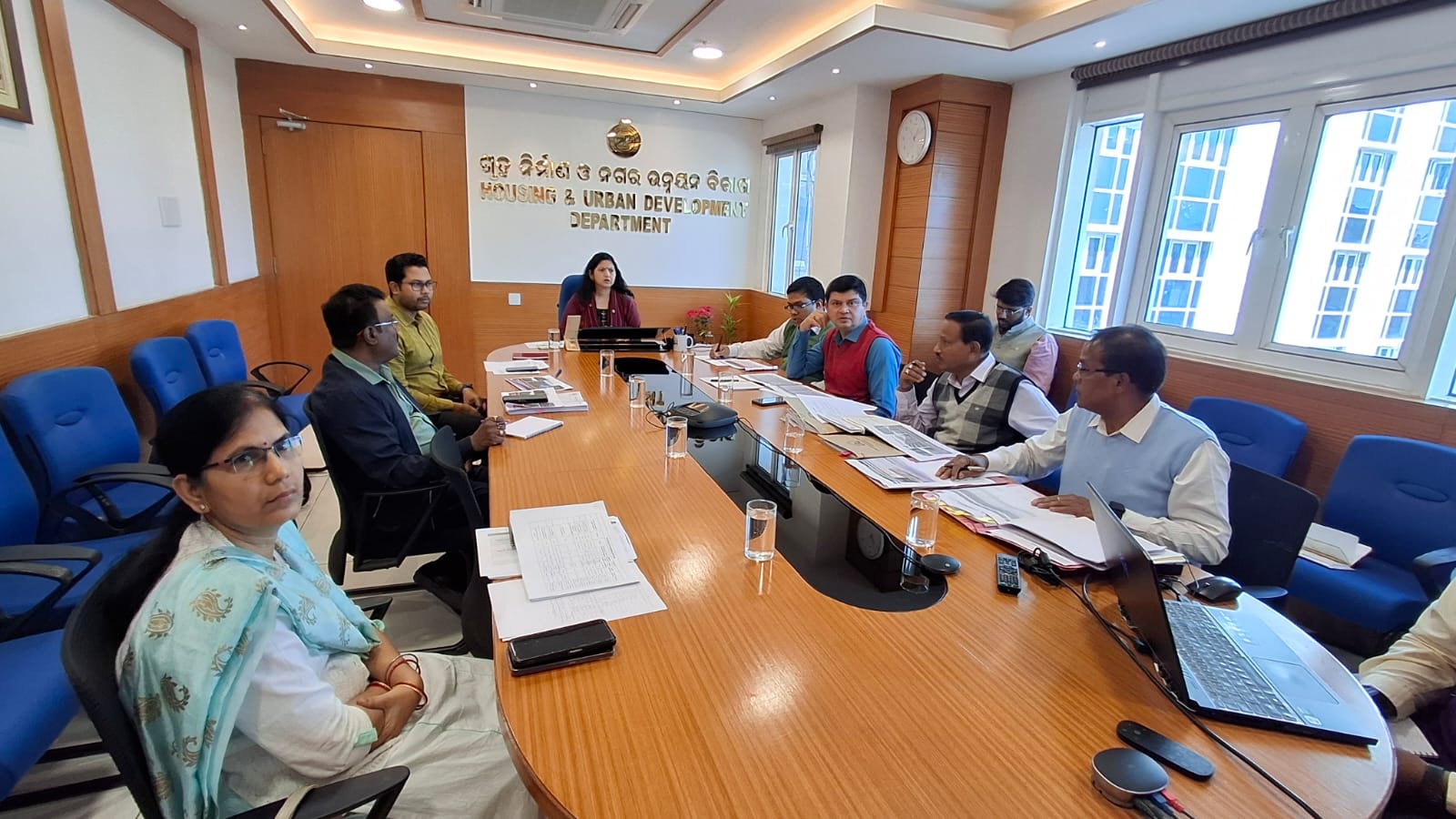
Bhubaneswar: With a focus on preventing unplanned urban growth and ensuring optimal use of existing housing stock, the Housing & Urban Development Department on Wednesday reviewed the status of Transit Housing and Affordable Housing Projects (AHPs) in Bhubaneswar. The high-level meeting was chaired by Principal Secretary Usha Padhee and centred on accelerating allotments, strengthening coordination, and prioritising rental housing for vulnerable urban groups.
The review covered key Affordable Housing Projects such as the Chandrasekharpur Affordable Housing Project (Buddha Vihar), Nilamadhab Awas Yojana, Santipali Awas Yojana and the Subuddhipur Affordable Housing Project. Officials examined project-wise progress, beneficiary coverage and occupancy status, with emphasis on ensuring that completed housing units do not remain vacant due to procedural delays.
Upcoming Affordable Housing Projects at Ghatikia and Gadakana also came up for discussion. The Principal Secretary directed officials to strictly adhere to timelines, noting that timely completion of these projects is critical to meeting the city’s growing housing demand and curbing the emergence of new slums and encroachments.
A major outcome of the meeting was the decision to constitute an Empowered Committee, chaired by the Principal Secretary, to provide policy oversight and coordinated decision-making on affordable and rental housing, allotment mechanisms and utilisation of completed AHP units. The committee will help resolve inter-departmental issues and ensure uniform implementation of housing policies across agencies.
To ensure disciplined utilisation of housing stock, it was decided that completed affordable housing units will be provisionally allotted to eligible beneficiaries for a six-month period. During this watch phase, occupancy, usage and compliance with eligibility conditions will be closely monitored. Final allotment orders will be issued only after satisfactory completion of this period. The dwelling units will be strictly non-transferable and cannot be sub-let or handed over to others.
The meeting also underscored the importance of integrating housing allotments with the AMA BUS public transport system to improve connectivity and promote sustainable urban mobility. Priority was given to rental housing for migrant workers, urban poor and families in transition, with NGOs identified as key partners for beneficiary outreach, verification and post-allotment support.
Reiterating the State Government’s policy of “No New Slums and No New Encroachments”, Padhee stressed that proactive housing provision, rental housing prioritisation and strict enforcement must move forward simultaneously to ensure orderly, inclusive and sustainable urban development.