Bhubaneswar: Even as floodwaters continue to recede across several parts of Odisha, the state government has stepped up both immediate relief and long-term disaster preparedness by releasing ₹110 crore to 22 affected districts and announcing a series of measures to modernise flood forecasting and emergency response systems.
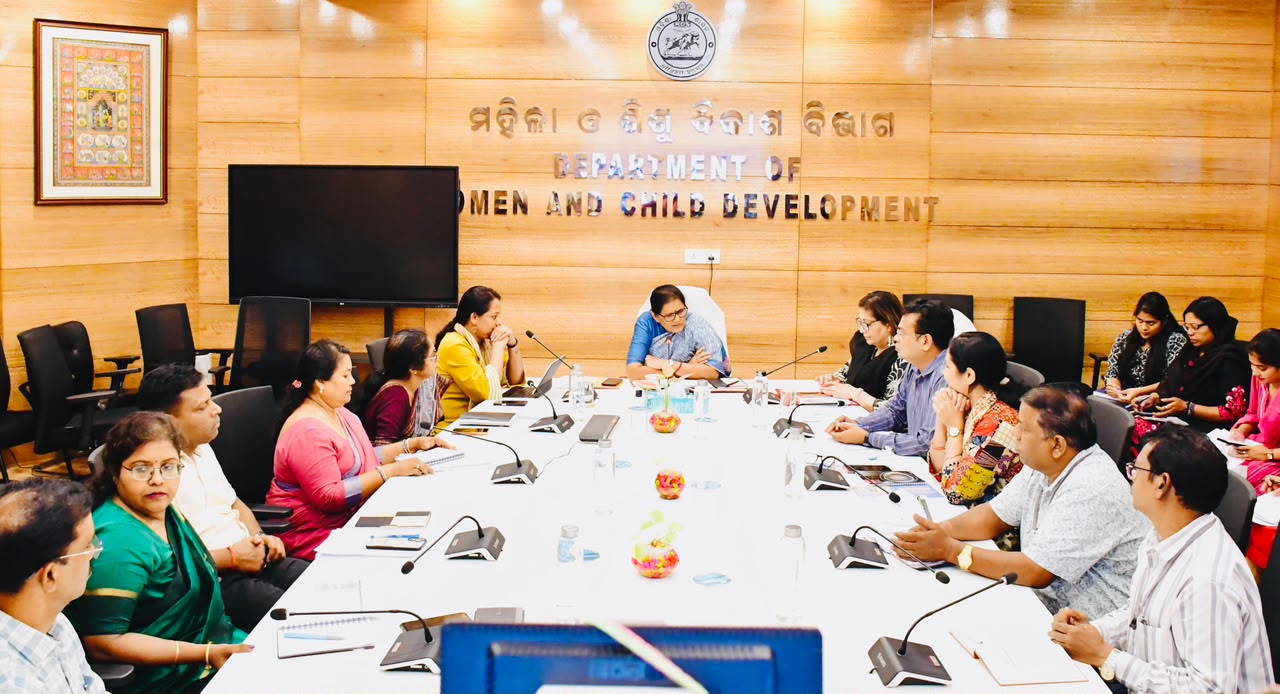
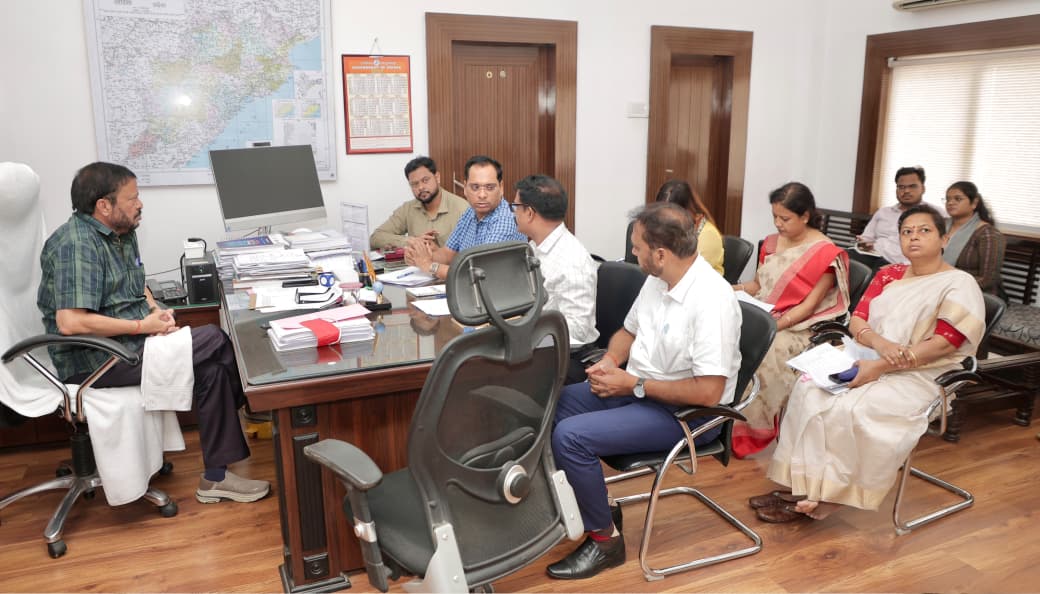
The initiatives were reviewed at a high-level meeting on flood management and disaster preparedness chaired by Revenue and Disaster Management Minister Suresh Pujari at Lok Seva Bhawan on Wednesday.
The Minister directed officials to complete post-flood damage assessments on priority and accelerate the construction of Multipurpose Cyclone and Flood Shelters across the state. He said damage assessments are being carried out immediately after floodwaters recede, with officials instructed to complete the exercise within 72 hours and submit detailed reports from all affected districts by 5 pm on Thursday.
According to the government, financial assistance has been released to 22 districts, with Balasore receiving ₹22.03 crore, Jajpur ₹20.20 crore, Bhadrak ₹20.12 crore, Jagatsinghpur ₹8.18 crore, Keonjhar ₹6.11 crore, Sambalpur ₹5.56 crore, Kendrapara ₹5.04 crore and Mayurbhanj ₹5.02 crore.
Reviewing the current flood scenario, Pujari said Odisha received 65 per cent more rainfall in July this year compared to the same month last year, while some regions recorded rainfall nearly 97 per cent above normal. Although water levels have receded in many rivers, several locations continue to remain under close watch, he added.
The Minister announced that another review meeting with district collectors, BDOs and tahasildars of flood-affected districts will be held on Thursday to discuss long-term flood mitigation measures, including repair of breached embankments, desiltation of rivers and strengthening of flood management infrastructure.
As part of efforts to modernise disaster management, Pujari said the state has installed 122 Early Warning Towers along Odisha’s 573-km coastline, which will now be upgraded with 360-degree surveillance cameras. The government is also integrating satellite-based communication and high-speed connectivity to link all 314 blocks with the central disaster management control room for faster coordination during emergencies.
The Minister said Odisha is also strengthening its weather forecasting network. While the Doppler Weather Radar at Sambalpur has already become operational, new radar systems at Balasore and Bhubaneswar will be commissioned soon. Existing radar facilities at Gopalpur and Paradip are being upgraded, and a new Doppler Weather Radar will also be established at Puri to improve the accuracy of weather predictions across the state.
The meeting further decided to strengthen reservoir operations, river water allocation, drainage management and water conservation through improved monitoring systems and better coordination with neighbouring states.
To reduce lightning-related fatalities, the government has sanctioned ₹35 crore to the Forest Department for plantation of palm trees in agricultural fields. The Bhubaneswar Municipal Corporation is also working with IIT Roorkee to develop scientific solutions for urban waterlogging.
Reiterating the government’s commitment to disaster resilience, Pujari said Odisha will continue investing in advanced technology, robust infrastructure and better preparedness to minimise the impact of natural disasters and safeguard lives and property.