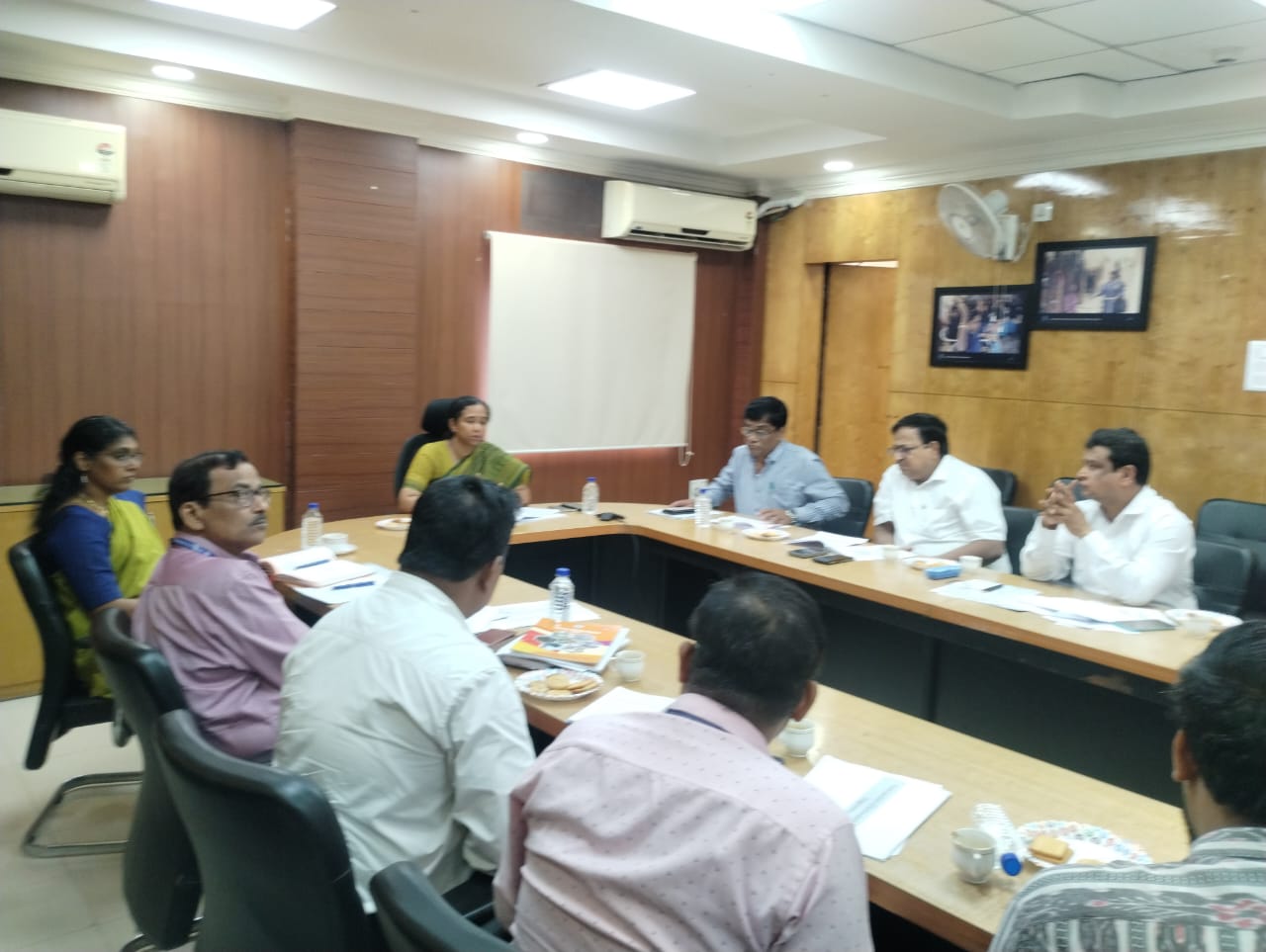
Bhubaneswar: As Odisha prepares to tackle the challenges of the upcoming monsoon season, the Department of Health and Family Welfare has intensified its efforts to prevent the spread of vector- and water-borne diseases. In a high-level review meeting held at the State Secretariat Conference Hall, Health Secretary Aswathy S. directed officials to enhance awareness campaigns and ensure the availability of essential medicines across all healthcare levels.
The review focused on the state’s readiness to counter diseases such as malaria, dengue, and diarrhoeal infections that typically surge during the monsoon. Aswathy emphasized the need for grassroots-level awareness, instructing officials to involve ASHA workers, Sub-centres, PHCs, CHCs, and district hospitals in a coordinated prevention and treatment strategy.
To strengthen community involvement, the Health Secretary called for mobilizing Self-Help Groups (SHGs), community leaders, and Multi-Purpose Health Workers (MPHWs) to educate the public on preventive practices. She stressed the importance of actual usage of Long-Lasting Insecticidal Nets (LLINs) at the household level and urged CDM&PHOs to ensure compliance through ASHA and MPHW networks in villages and urban wards.
Senior officials from the Directorate of Public Health and National Health Mission (NHM) will visit field-level health institutions to monitor LLIN distribution and usage, ensure the availability of testing kits and medicines, and verify surveillance and screening activities.
Special attention will be given to districts with high incidence rates reported in previous years. Special Secretary and Director of Public Health, Dr. Nilakantha Mishra, was tasked with preparing a detailed schedule of district-level officer visits to bolster preparedness in vulnerable regions.
More than 40.49 lakh LLINs have already been allotted to seven high-burden districts as part of the state’s malaria prevention strategy. Secretary Aswathy instructed that surveillance and preventive measures be intensified specifically in these districts to reduce transmission rates.
The meeting also resolved to issue advisories for cleaning overhead tanks and sanitizing water sources in hostels and residential campuses ahead of the reopening of educational institutions. Measures to ensure regular water quality testing, disinfection, and monitoring in both rural and urban areas were finalized.
The entire initiative will be rolled out in targeted campaign mode under the supervision of NHM Mission Director Dr. Brundha. Emphasis will be placed on active surveillance, public education, and medical readiness, ensuring a comprehensive approach to disease containment.
The hybrid-mode meeting saw participation from CDM&PHOs of all districts, Additional District Public Health Officers, senior officials from NHM and other directorates, along with experts and consultants on vector-borne diseases.