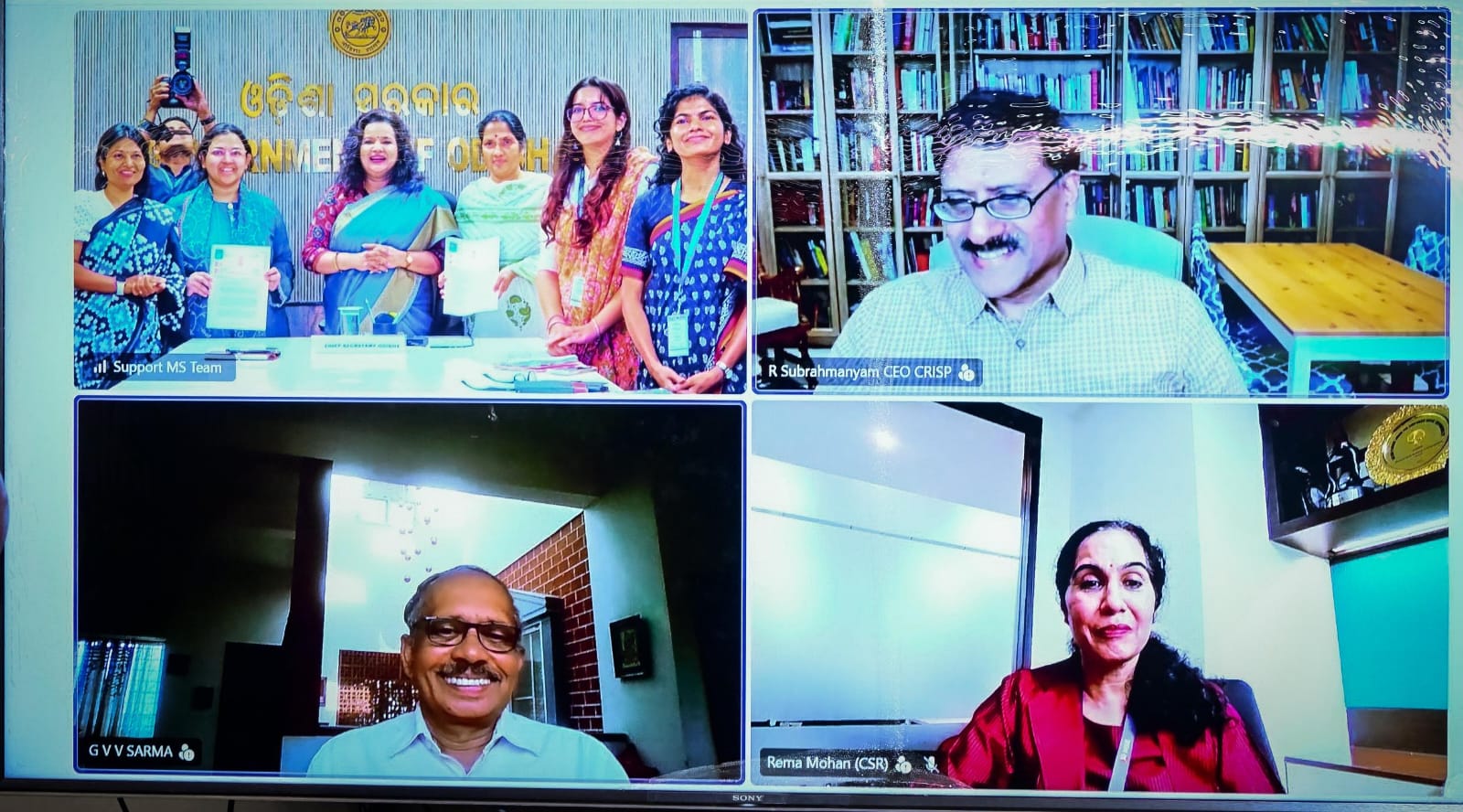
Bhubaneswar: The Odisha government signed a tripartite agreement to launch Project BLESS, a three-year intervention designed to reduce distress migration by creating sustainable livelihood opportunities, improving skill development and strengthening rural entrepreneurship in some of the state’s most migration-prone districts.
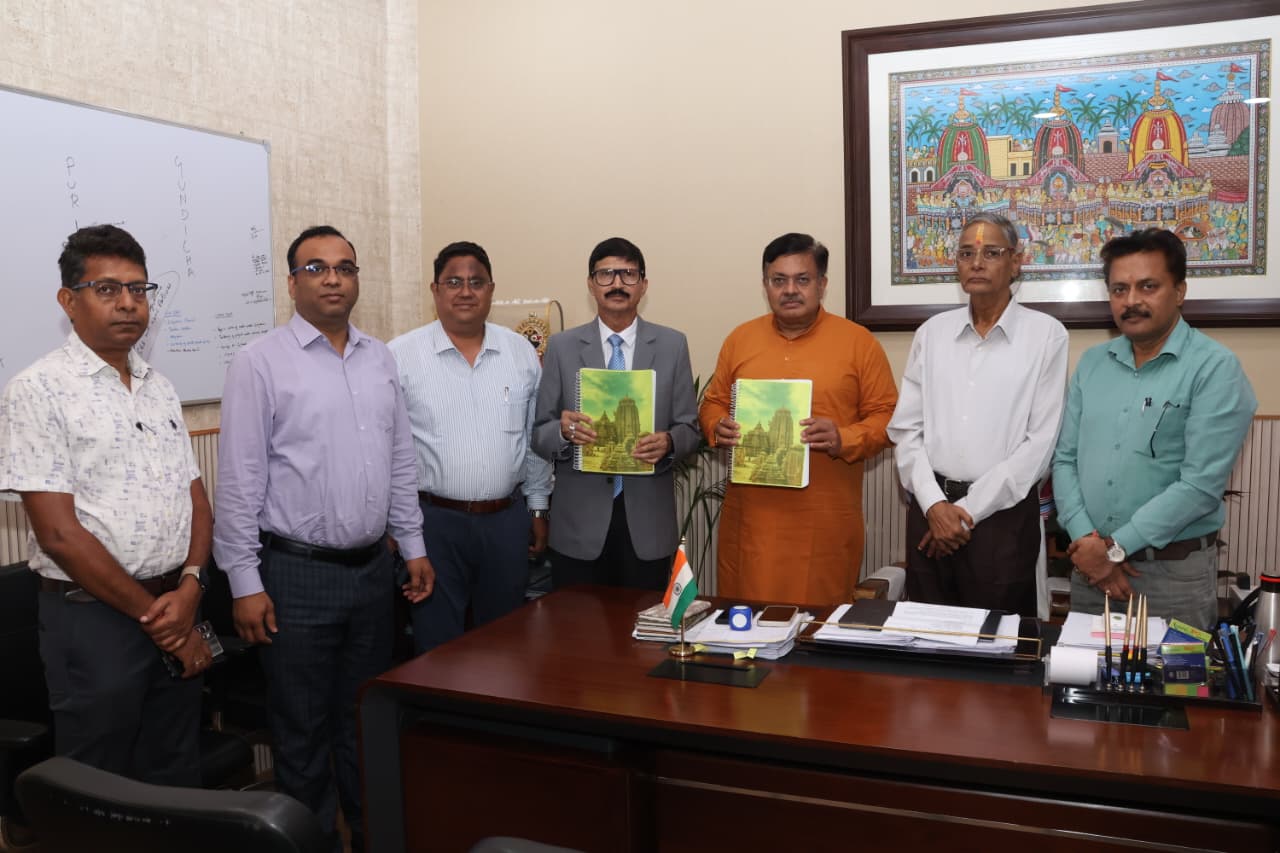
The Memorandum of Understanding (MoU) was signed between the Mission Shakti Department, the Centre for Research in Schemes and Policies (CRISP) and the NSE Foundation at Lok Seva Bhawan in the presence of Chief Secretary Anu Garg and Mission Shakti Secretary Manasi Nimbhal. The project will be implemented in collaboration with the Odisha Livelihoods Mission (OLM).
The initiative will focus on identifying vulnerable households before they migrate in search of work and linking them with suitable livelihood options, government welfare schemes, skill development programmes and financial services to improve income security within their native villages.
Project BLESS will be implemented in 69 blocks spread across Balangir, Bargarh, Kalahandi, Gajapati, Kandhamal, Koraput, Nabarangpur and Rayagada districts. Around 8.81 lakh rural families and 86,468 Self-Help Groups (SHGs) are expected to benefit under the programme.
To strengthen community-led implementation, nearly 550 Jeevika Sakhis drawn from SHGs will work with Cluster Level Federations (CLFs) and Gram Panchayat Level Federations (GPLFs) to identify vulnerable families, prepare livelihood plans and facilitate access to various government programmes.
The project will begin with a household-level vulnerability assessment using a mobile application. Based on the findings, beneficiaries will receive customised livelihood support, market-oriented skill training, access to credit and opportunities for entrepreneurship. The programme will also promote digital marketing platforms and strengthen community institutions to improve long-term livelihood resilience.
For workers who still choose to migrate, the initiative will facilitate access to fair wages, legal assistance and social security benefits at destination locations. It will also ensure continuity of nutrition, healthcare and pre-primary education services for children of migrant families.
Officials said the project is expected to further strengthen the SHG movement by enhancing women’s economic participation and enabling community institutions to play a greater role in preventing distress migration.
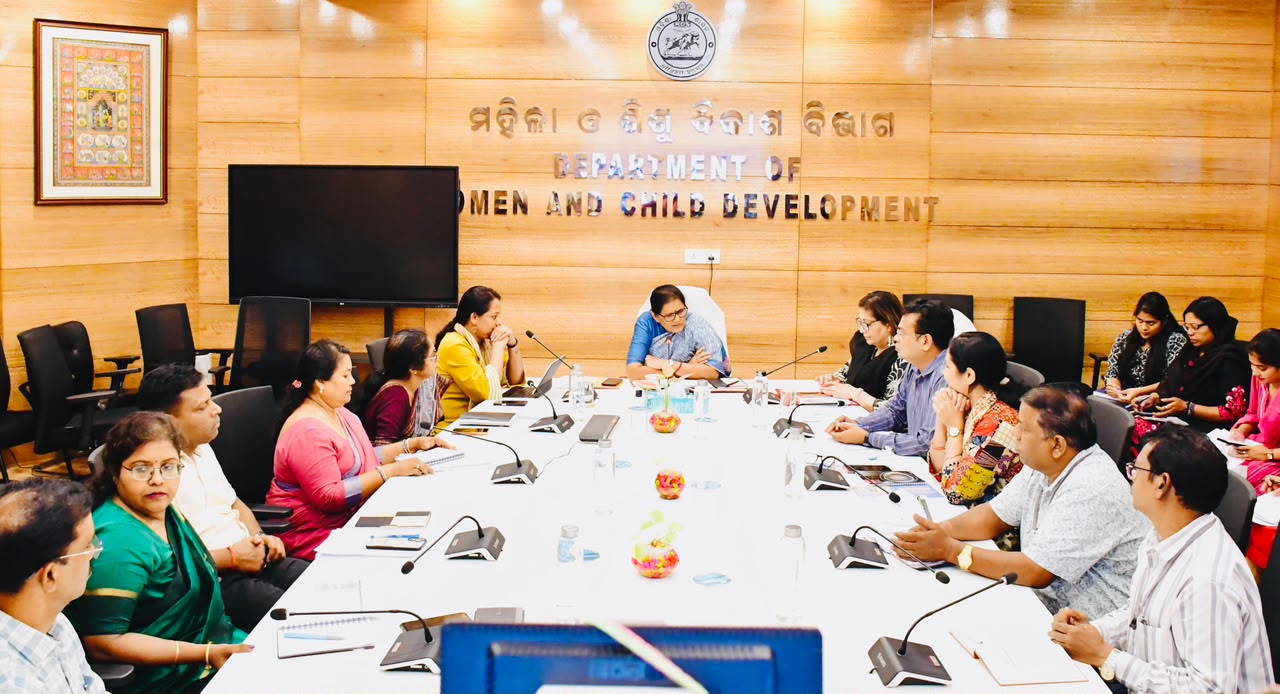
NSE Foundation representative Rema Mohan and CRISP representatives R. Subramaniam and G.V.G. Sharma joined the programme virtually. Senior officials of the Mission Shakti Department, CRISP and the NSE Foundation also attended the event.