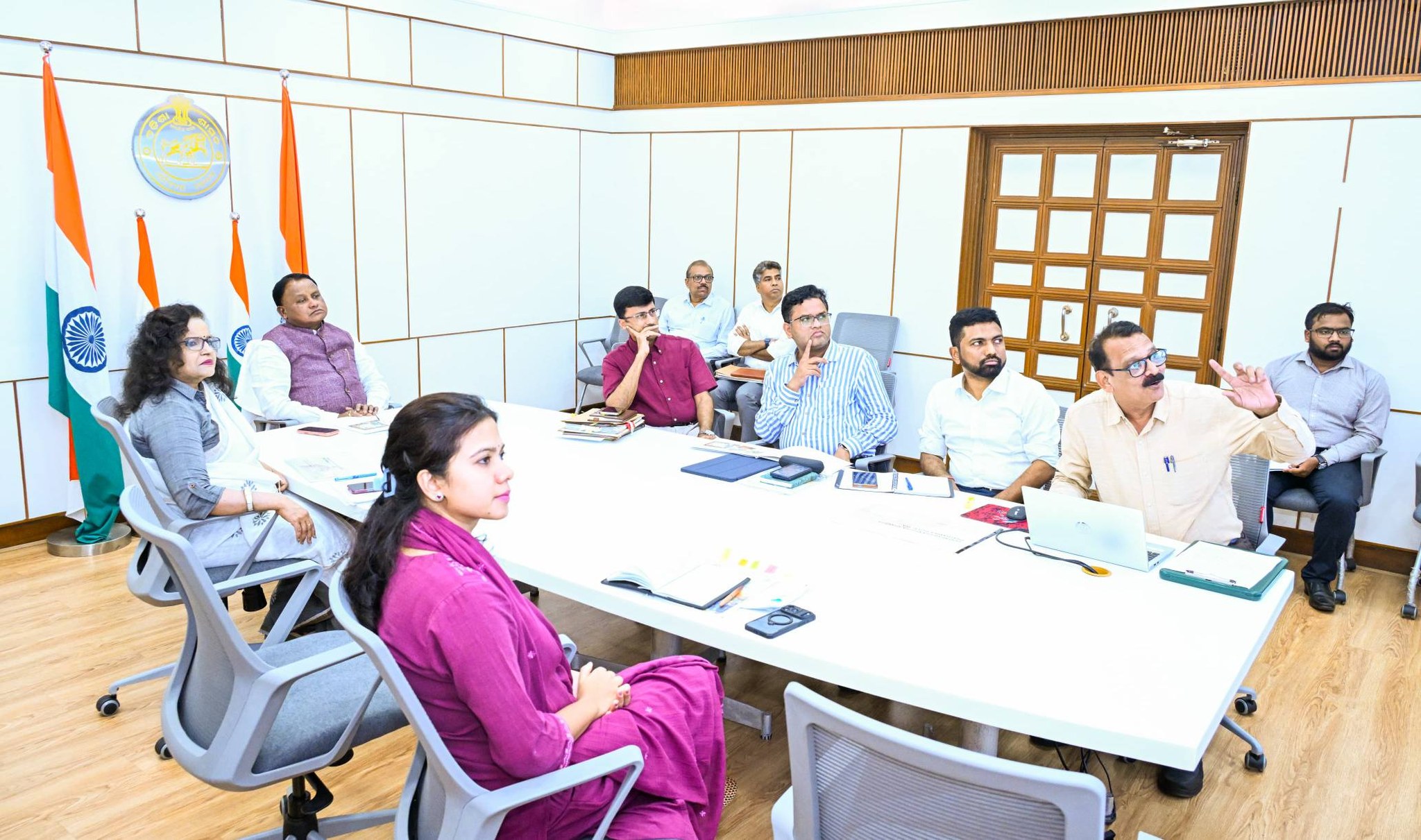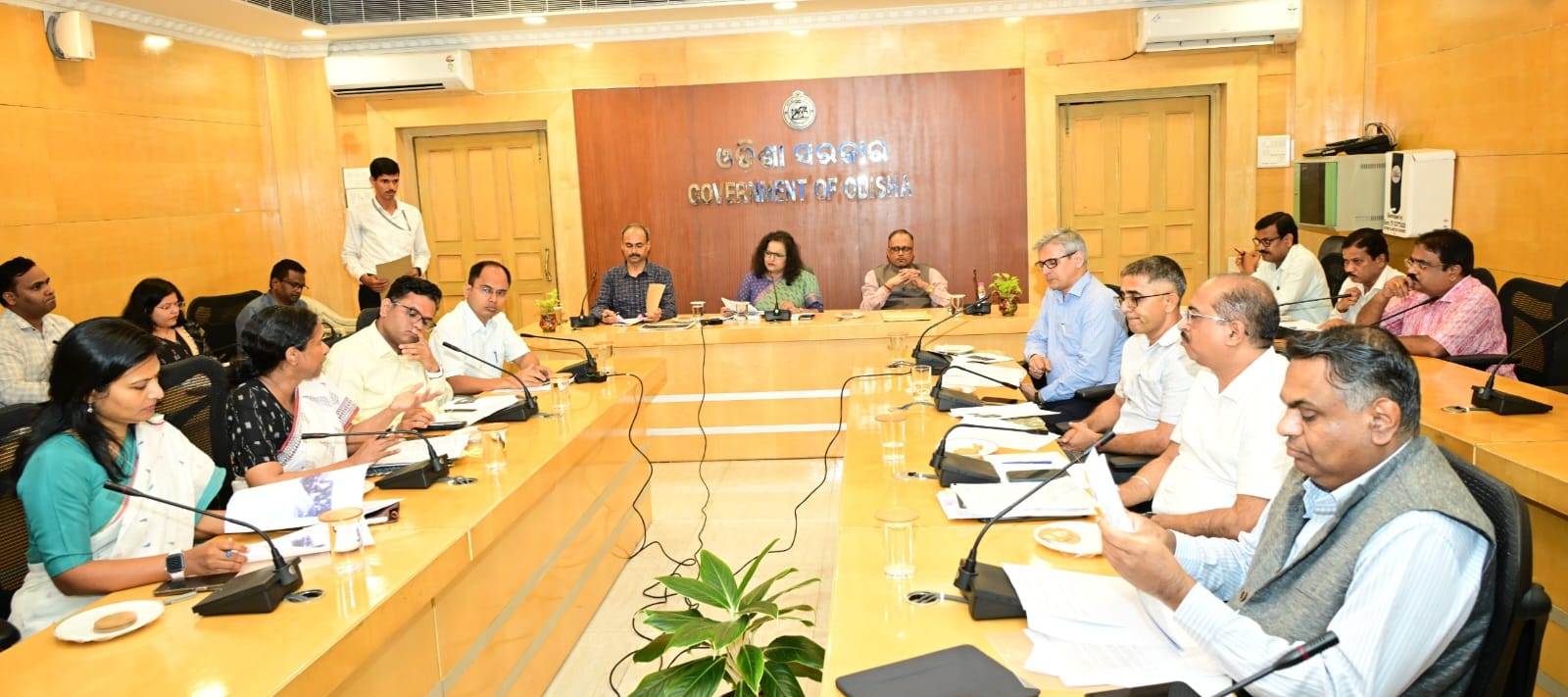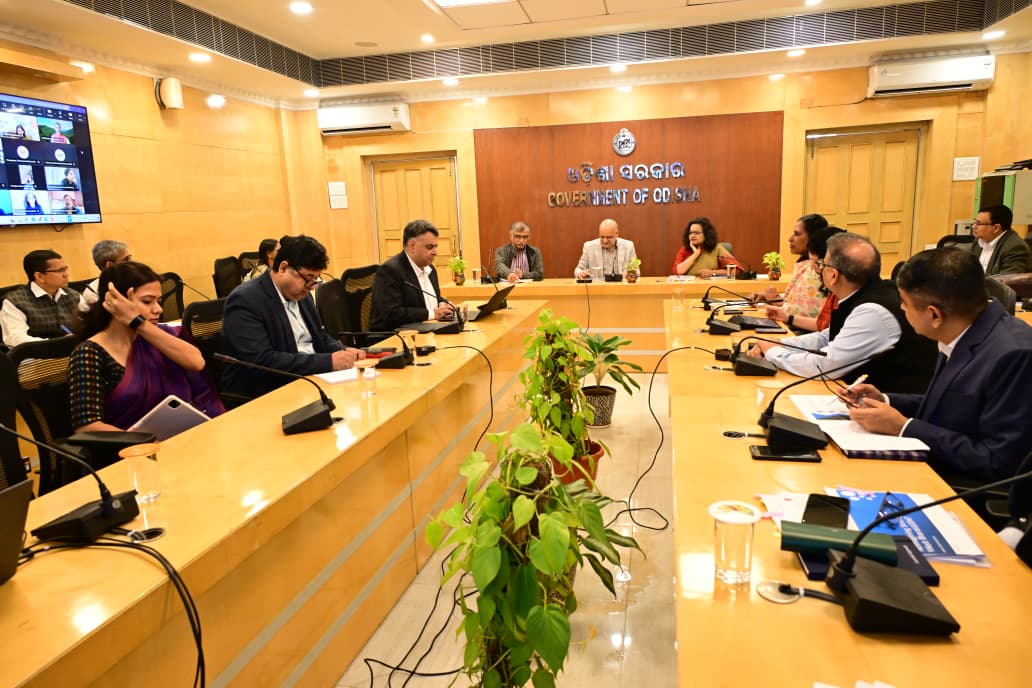
Bhubaneswar: Odisha’s roadmap towards becoming a developed state by 2036 and contributing to the national goal of a Developed India came under detailed discussion at a high-level meeting held at Lok Seva Bhawan on Thursday. Chief Secretary Anu Garg, along with senior state officials, held deliberations with B. V. R. Subrahmanyam, Chief Executive Officer of NITI Aayog, on strategies to accelerate economic growth, social inclusion and innovation-led governance.
The meeting, attended in person by S. Kishore of NITI Aayog and joined virtually by other officials, focused on aligning state priorities with national development frameworks. Emphasis was laid on effective implementation of key schemes and programmes that can drive long-term, sustainable growth across sectors.
A major area of discussion was the development of the Bhubaneswar–Cuttack–Puri–Paradip–Cuttack Economic Region (BCPPER) as an integrated economic and urbanisation hub. Officials underscored the need to fast-track infrastructure and industrial initiatives in the region to unlock its potential as a growth engine for the state.
Tribal empowerment featured prominently, with discussions centred on enhancing livelihood opportunities through value addition of forest produce. Initiatives such as processing of Sal tree seeds and other minor forest products were highlighted as means to strengthen income generation and socio-economic development among tribal communities.
Youth skill development was another key focus, stressing vocational training from school to higher education to equip young people with future-ready skills aligned with industry needs and ensure better employability.
Clean energy and waste management also figured high on the agenda. Participants emphasised renewable energy solutions and sustainable waste management systems, with a Memorandum of Understanding signed between NITI Aayog and the ISEG Foundation to promote collaboration in these sectors.
Technology and innovation were identified as critical enablers for improved social outcomes. Initiatives such as the NITI Frontier Tech Hub (NITI-FTH) and the ‘Living Lab’ were discussed for their potential role in addressing malnutrition and improving nutrition among pregnant women and children through data-driven solutions.
The meeting reaffirmed the importance of research, technology and innovation in governance and highlighted the need for close coordination between state and central institutions to build Odisha as a sustainable, inclusive and innovation-driven state.
Secretaries and senior officials from departments including Electronics & IT, Energy, Skill Development and Technical Education, Higher Education, School & Mass Education, Science & Technology, Labour & Employee Insurance, Housing, Commerce & Transport, Health & Family Welfare and SC, ST, Minority and Backward Classes Welfare, among others, actively participated in the discussions.