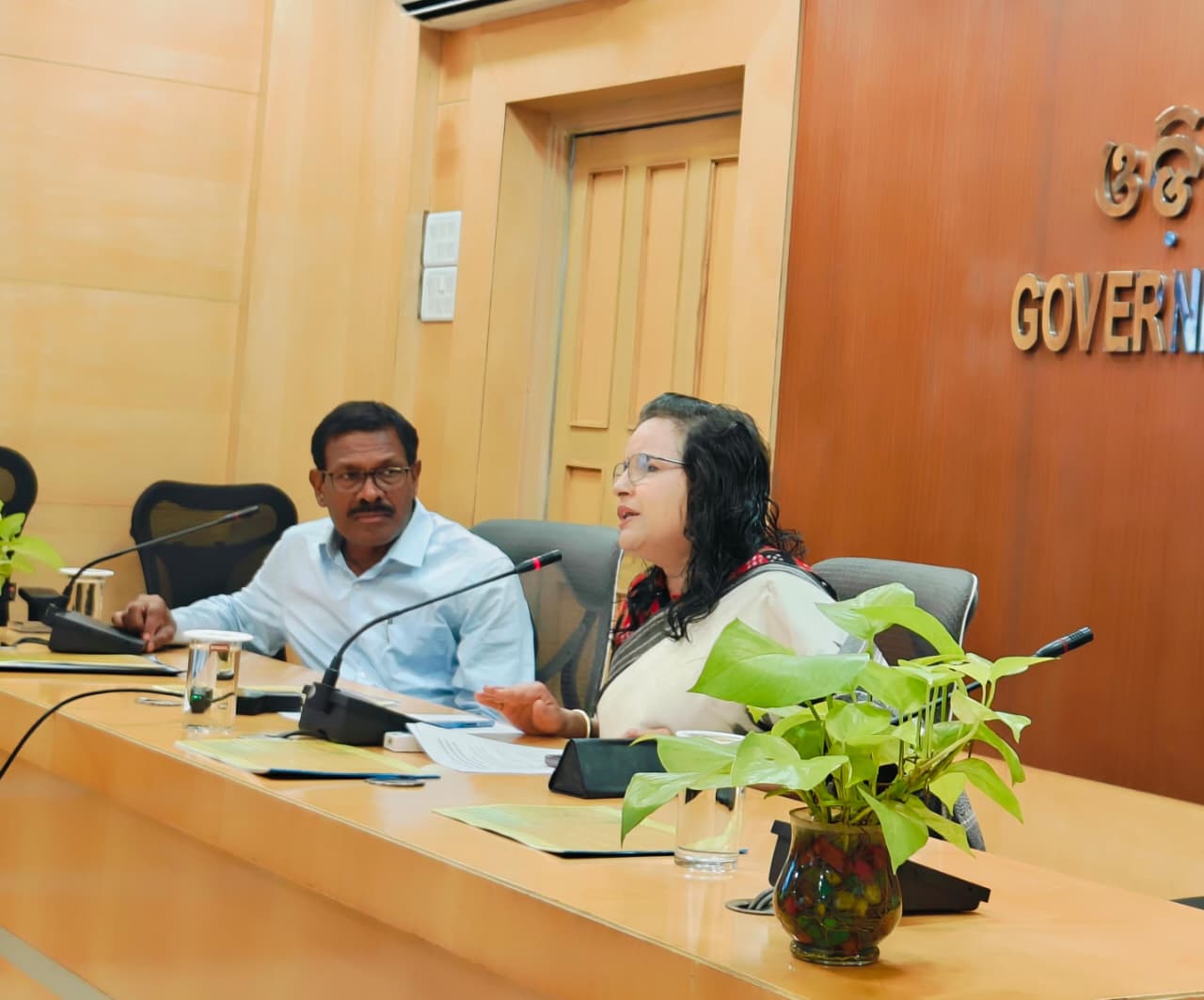
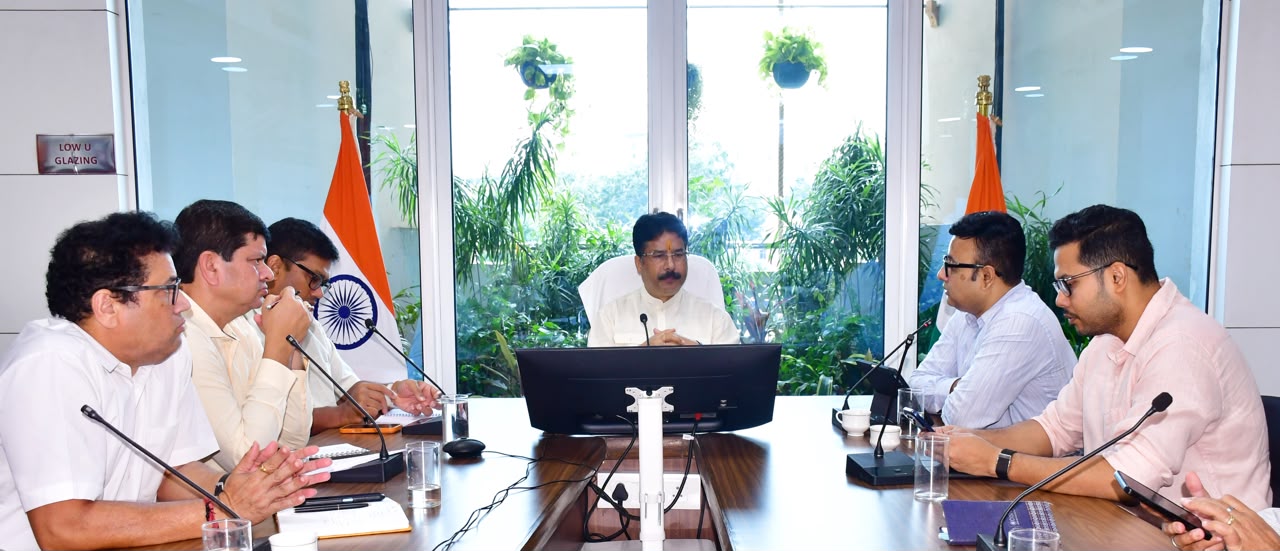
Bhubaneswar: Odisha government has launched SAHAJOG, a pioneering initiative by the Housing & Urban Development (H&UD) Department aimed at connecting urban poor families with key social welfare schemes. The initiative was officially unveiled on Thursday by Dr. Krushna Chandra Mahapatra at a state-level launch event in Bhubaneswar.
Present at the event were Usha Padhee, Principal Secretary, H&UD Department; Secretaries and Nodal Officers from various departments; and senior officials involved in urban development across the state.
Described as the first-of-its-kind in the country, SAHAJOG is built on a mission to identify eligible beneficiaries from vulnerable urban communities and link them with critical welfare schemes through a holistic, door-to-door service model. The initiative also emphasizes mass awareness, grassroots involvement, and robust implementation mechanisms at both the urban local body (ULB) and district levels.
In its first phase, SAHAJOG will focus on providing access to a set of high-priority schemes, including housing under Pradhan Mantri Awas Yojana (Urban), food security through ration cards under NFSA, Ayushman health cards, PWD identity cards, Subhadra Yojana benefits, pipe water supply, labour and e-Shram cards, the Garima scheme for sanitation workers, PM Vishwakarma Yojana, Madhubabu Pension Yojana, Sukanya Samriddhi Yojana, and PM Suraksha Bima Yojana. Housing support under PMAY(U) will act as the initial entry point, helping to ensure saturation of benefits for an entire family.
The program builds on the success of a pilot conducted in six urban local bodies, covering 5,000 households. This pilot helped identify gaps and develop strategies for reaching vulnerable groups more effectively. In its current phase, SAHAJOG will be implemented in 44 ULBs across eight districts, targeting over 15 lakh people. Plans are in place to scale the initiative to all ULBs across the state.
Implementation will rely heavily on community engagement. Swachh Karmis, Jalsathis, leaders of Slum Dwellers Associations, Self Help Groups, NGOs, community volunteers, and ULB frontline workers will play a pivotal role in spreading awareness and assisting beneficiaries in navigating the application process. The initiative will run in a fast-track, campaign mode for two months, with volunteers and workers incentivized for achieving key milestones.
To ensure effective coordination and monitoring, interdepartmental committees have been constituted at both the state and district levels. At the district level, committees will be chaired by the District Collector and include senior officers from various line departments. Monthly progress will be reviewed during District Development Committee meetings, with regular updates submitted to the state. Commissioners and Executive Officers will dedicate time during their weekly grievance redressal sessions, every Monday, to resolve scheme-related issues.