Bhubaneswar: Odisha took a significant step towards strengthening India’s electronics ecosystem as the State Cabinet on Monday approved the Odisha Electronics Component Manufacturing Policy 2025. The policy, led by Chief Minister Mohan Charan Majhi, is designed to generate high-skilled jobs, attract global and domestic investments, and reduce the country’s dependence on imported components.
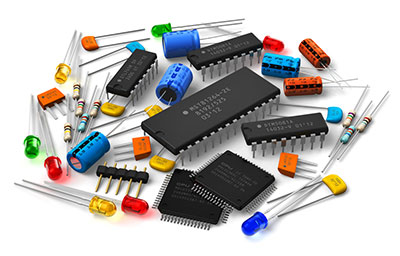
The initiative aligns closely with the national “Make in India” vision, building on the Union Cabinet’s approval of the Electronics Component Manufacturing Scheme (ECMS) 2025 earlier this year. While India has witnessed steady growth in assembly and finished goods manufacturing, the new policy seeks to address the persistent gap in domestic production of passive components like resistors, capacitors, and inductors—vital to industries ranging from consumer electronics to automotive and defense.
A comprehensive incentive package forms the backbone of the state’s policy. Investors can benefit from a 50% capital subsidy for the first ten large-scale projects, in addition to turnover-linked incentives, matching subsidies, and extra capital support. Provisions also cover land allocation, rental assistance, a decade-long exemption from electricity duty, and reimbursements on power tariffs.
Special concessions have been earmarked for mega projects exceeding ₹500 crore in investment or generating more than 1,000 jobs, ensuring Odisha remains a competitive destination for large-scale players in the electronics sector.
By combining state-level incentives with central support, the policy aims to not only boost domestic value addition but also integrate Odisha into global supply chains. Officials noted that this dual approach will help the state emerge as a key driver of India’s self-reliance in electronics manufacturing while creating sustainable livelihoods.