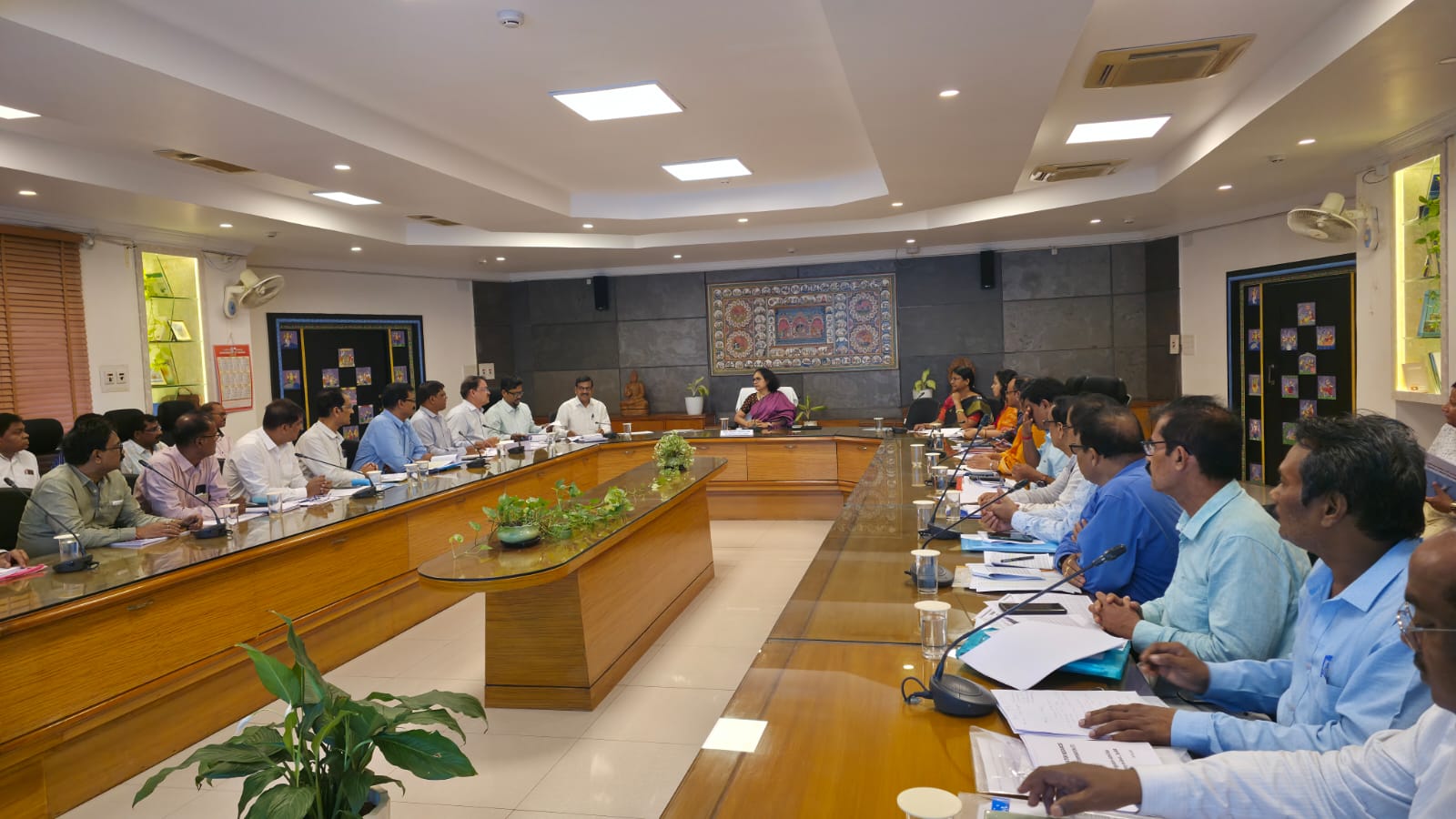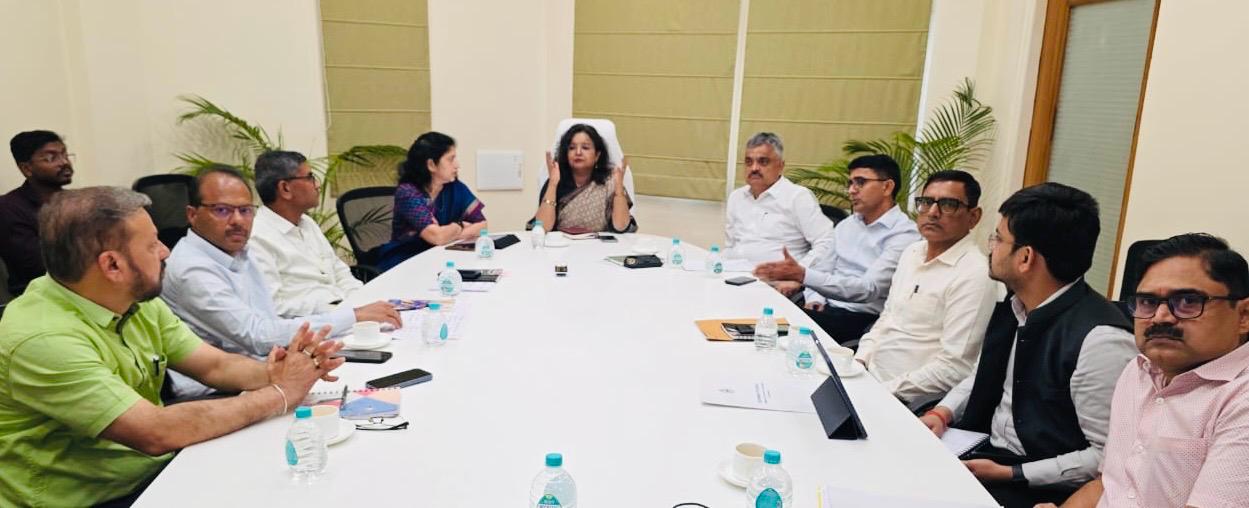
Bhubaneswar: Odisha has intensified efforts to fast-track major railway projects aimed at strengthening connectivity, promoting tourism, and supporting industrial growth across the state. In a high-level review meeting chaired by Development Commissioner-cum-Additional Chief Secretary Smt. Anu Garg, senior officials from the state government, East Coast Railway, Forest Department, and Tourism Department assessed progress on key infrastructure initiatives.
The state continues to play a proactive role by expediting land acquisition, ensuring timely clearances, and co-financing projects of national importance. Among the most prominent undertakings is the 32-km Puri–Konark new line, sanctioned at a cost of ₹492.12 crore. The project will connect two UNESCO World Heritage sites — the Shri Jagannath Temple in Puri and the Sun Temple in Konark — with four new stations, important bridges, and special event facilities. Generating an estimated 11 lakh man-days, the corridor is expected to significantly boost spiritual and heritage tourism while creating new livelihood opportunities under the One Station One Product scheme.
In Mayurbhanj district, three railway projects — Bangriposi–Gorumahisani, Badampahar–Kendujhargarh, and Buramara–Chakulia — are being developed to provide seamless connectivity across North Odisha, including an end-to-end corridor from Betnoti to Rairangpur. Additionally, the proposed Jaleswar–Chandaneswar line will enhance coastal tourism potential, while projects in the KBK region such as the Gunupur–Therubali, Junagarh–Nabarangpur, and Malkangiri–Pandurangapuram (via Bhadrachalam) lines are set to provide direct access from Raipur to Vijayawada and Hyderabad. These corridors are expected to boost agro-based industries, expand tribal eco-tourism, and strengthen Odisha’s contribution to Atmanirbhar Bharat.
Other critical projects under review include the Khurda Road–Balangir new line, designed to improve hinterland connectivity, and the Bargarh Road–Nawapara Road line, which will ease market access for rice-producing regions in western and southern Odisha. The latter project is also expected to cut logistics costs and reduce coal dust pollution along the Angul/Talcher to Raipur corridor.
Officials emphasized the importance of timely execution, sustainable planning, and integrating heritage tourism with industrial logistics. With these projects, Odisha aims to establish itself as a pivotal hub of connectivity, commerce, and culture, ensuring development reaches both tribal heartlands and industrial corridors.