India Unveils Indigenous Earth System Model for Climate Change Assessment
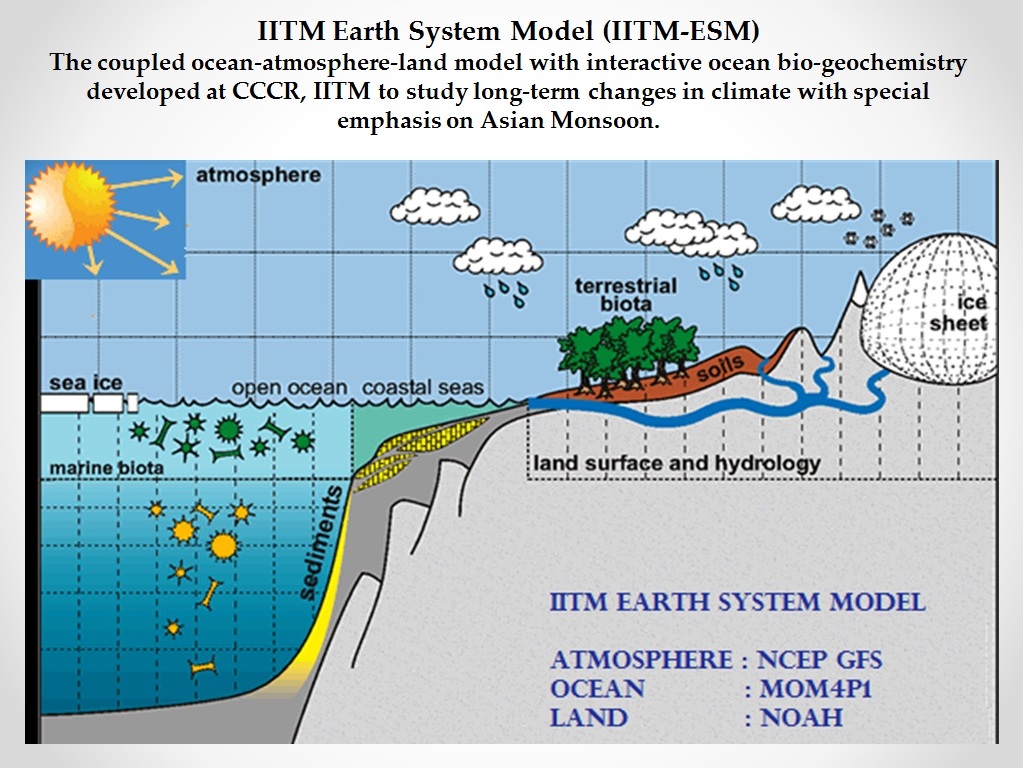
New Delhi: In a significant stride towards advancing climate science, the Centre for Climate Change Research (CCCR) at the Indian Institute of Tropical Meteorology (IITM) under the Ministry of Earth Sciences has successfully developed the first-ever indigenous Earth System Model (ESM) named IITM-ESM. This cutting-edge model is a testament to India’s scientific prowess and was prominently featured in the latest Sixth Assessment Report by the Intergovernmental Panel on Climate Change (IPCC).
The IITM-ESM is a state-of-the-art tool designed to comprehensively study the Earth’s climate system, taking into account various interconnected components such as the atmosphere, oceans, land surface, and sea ice. This indigenous model played a crucial role in conducting the climate change assessment that informed the IPCC’s recent report.
Moreover, the model has been utilized in the National Climate Change Assessment report, offering regional climate change projections. This valuable resource is intended to benefit students, researchers, and policymakers, providing crucial insights into the anticipated impacts of climate change on specific regions.
The Union Minister of Earth Sciences, Shri Kiren Rijiju, shared this groundbreaking information in a written reply in the Rajya Sabha. He highlighted the significance of the IITM-ESM in enhancing India’s capabilities in climate science and its pivotal role in contributing to global assessments on climate change.
To support the development of such advanced climate research capabilities, an allocation of Rs. 192.28 crores was sanctioned to IITM-CCCR for the Monsoon Convection, Clouds, and Climate Change (MC4) sub-scheme during the period 2017-2023. This funding has played a crucial role in propelling India’s scientific community to the forefront of climate research.
The unveiling of the IITM-ESM underscores India’s commitment to addressing climate change challenges through innovative and homegrown solutions. The indigenous model is expected to play a key role in future climate studies, further solidifying India’s position in the global scientific community.
Bhubaneswar: Chief Minister Mohan Charan Majhi on Sunday inaugurated two affordable housing projects in Bhubaneswar,…
Bhubaneswar: Odisha has received the prestigious ‘Wind India 2026: Leadership in Wind Energy De-risking’ award…
Bhubaneswar: The Police Commissionerate, Bhubaneswar-Cuttack, has announced traffic restrictions across Bhubaneswar from October 16 to…
Bhubaneswar: Debrigarh Wildlife Sanctuary in Odisha has strengthened its wildlife protection system with the installation…
Puri: The 25th edition of Puri Heritage Walks (PHW), held on Sunday, took participants through…
Bhubaneswar: To manage the expected rise in passenger traffic during the upcoming Durga Puja and…