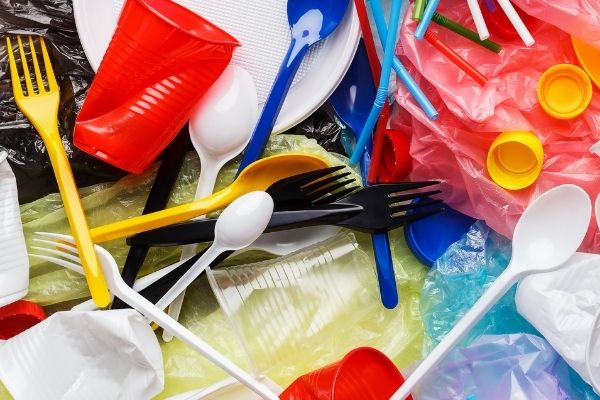
Bhubaneswar: The menace of plastic pollution continues to plague India, despite stringent regulations and comprehensive bans on the manufacture, import, stocking, distribution, sale, and use of certain plastic products. The Ministry of Environment, Forest and Climate Change notified the Plastic Waste Management Amendment Rules, 2021, on August 12, 2021, prohibiting identified single-use plastic items with effect from July 1, 2022. Yet, the country is still grappling with significant environmental challenges posed by plastic waste.
The amendment rules prohibit the use of plastic carry bags with a thickness of less than 120 microns from December 31, 2022, and non-woven plastic carry bags below 60 grams per square meter from September 30, 2021. Over and above these central regulations, individual States and Union Territories (UTs) have implemented their own bans and restrictions on plastic usage.
As of now, a total of 34 states and UTs have imposed complete bans on the manufacture, storage, import, distribution, transportation, recycling, sale, and use of plastic carry bags and certain single-use plastic items. States like Maharashtra, Tamil Nadu, and Kerala have been particularly proactive, implementing extensive measures to curb plastic pollution.
Despite these efforts, plastic pollution remains a pervasive issue across the country. Rivers, lands, and urban environments are still inundated with plastic waste, adversely affecting ecosystems and public health. The bans, while comprehensive on paper, face challenges in enforcement and public compliance.
The Ministry has undertaken several measures to strengthen the implementation of the Plastic Waste Management Rules, 2016, and to enforce the ban on identified single-use plastic items:
The government also supports research projects aimed at finding alternatives to banned single-use plastic items. The Ministry of Micro, Small and Medium Enterprises (MSME) provides support to MSME units transitioning from plastic manufacturing to alternative products.
India participates in global initiatives like the United Nations World Tourism Organization’s (UNWTO) Best Tourism Villages Competition, showcasing its efforts in sustainability and rural tourism. Villages like Pochampally in Telangana and Khonoma in Nagaland have gained recognition for their environmental efforts.
The Ministry of Environment, Forest and Climate Change’s robust framework and the states’ proactive measures indicate a strong commitment to combating plastic pollution. However, the persistent presence of plastic waste highlights the need for enhanced enforcement, public awareness, and sustainable alternatives. As India continues to battle this environmental crisis, collective efforts from the government, industry, and citizens are crucial to achieving lasting change.
Bhubaneswar: Recognising their gold medal-winning performances at the 2026 Asian Games in Japan, Odisha Chief…
Bhubaneswar: Two school-going sisters from Odisha have used a multiplication table to deliver a social…
Bhubaneswar: The Satwalipi Committee on Mahaprabhu Lingaraj Temple has submitted its third interim report to…
Bhubaneswar: Odisha will organise a state-level summit to finalise priorities and accelerate the implementation of…
Bhubaneswar: The Housing and Urban Development Department has asked Urban Local Bodies (ULBs) across Odisha…
Bhubaneswar: From exploring ancient temples and the story of Odisha’s capital city to discovering local…