New Delhi: Fresh entrants to India’s formal workforce will soon receive a major boost, with the government rolling out the PM Viksit Bharat Rozgar Yojana (PM-VBRY) from August 1. The scheme promises a financial incentive of ₹15,000 to first-time employees registered with the Employees’ Provident Fund Organisation (EPFO).
Approved by the Union Cabinet with a total outlay of ₹99,446 crore, the scheme was previously known as the Employment-Linked Incentive (ELI) scheme. It aims to generate over 3.5 crore new jobs across the country in the next two years, including 1.92 crore first-time workers.
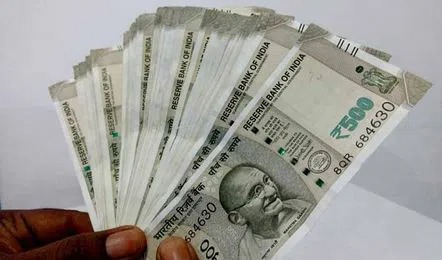
Eligible employees will receive the ₹15,000 benefit in two parts—the first instalment after six months of continuous service, and the second after 12 months of employment, along with the completion of a financial literacy programme.
To encourage saving habits, a portion of the incentive will be held in a fixed deposit or savings account for a limited period and made available for withdrawal later, according to the Ministry of Labour and Employment.
The scheme targets individuals earning up to ₹1 lakh per month and also includes provisions to support employers. Companies that create new jobs and sustain them for at least six months will receive up to ₹3,000 per employee per month for two years. For businesses in the manufacturing sector, these incentives will extend into the third and fourth years.
To participate, EPFO-registered businesses must hire a minimum of two new employees (if they have fewer than 50 workers) or five new employees (if they have 50 or more), maintaining their employment for at least half a year.
The Direct Benefit Transfer (DBT) system will be used to pay employees via the Aadhaar Bridge Payment System (ABPS), while employers will receive funds directly into their PAN-linked accounts.
Highlighting its broader goal, the Ministry stated that PM-VBRY will not only boost employment but also promote long-term financial security and digital inclusion for India’s emerging workforce. The scheme will cover jobs created between August 1, 2025, and July 31, 2027, as part of the government’s broader push toward a more developed and inclusive economy.