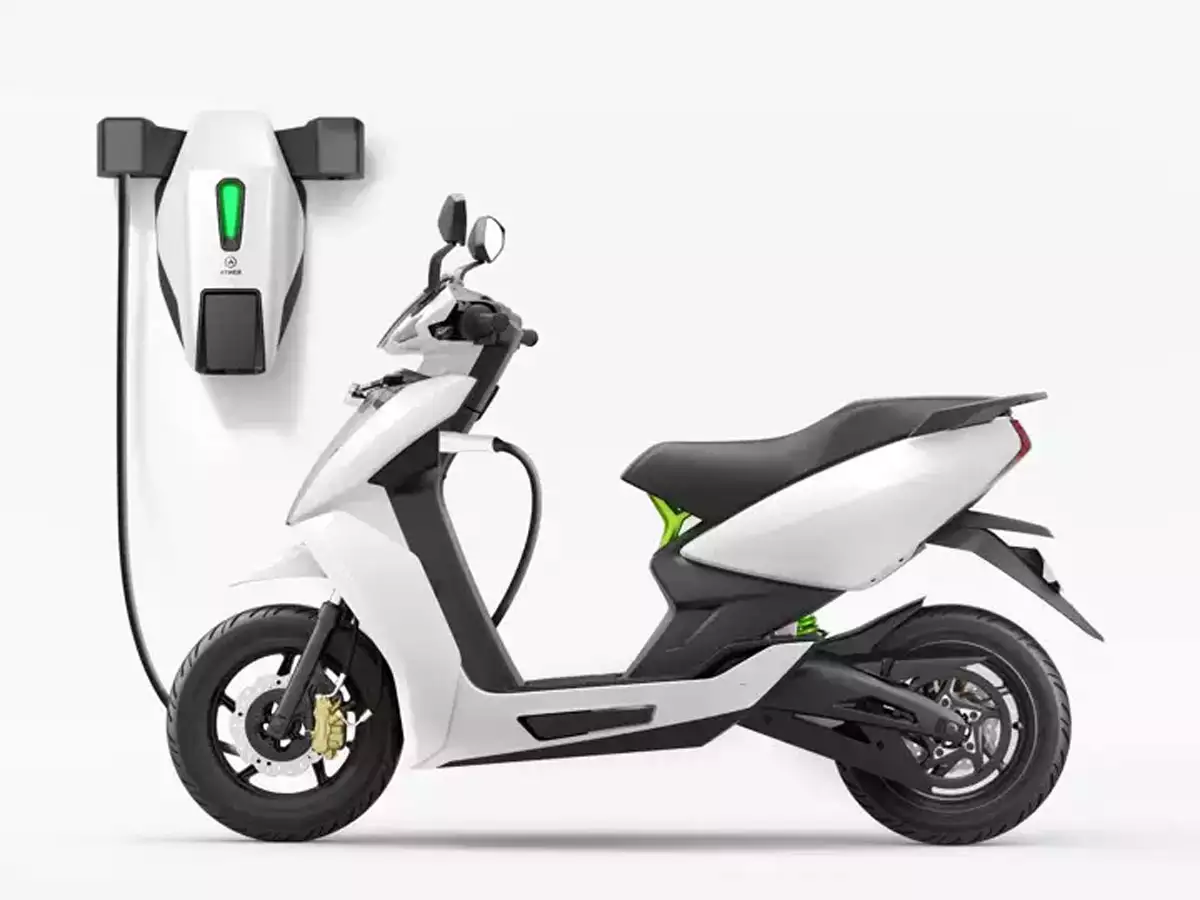
E-2 Wheelers (PC: ET Auto)
New Delhi: In a strategic move to align with the surging growth of the Electric Vehicle (EV) market, the Indian government has slashed the subsidy for electric two-wheelers (e-2Ws) under the FAME India Scheme Phase-II. The subsidy per unit has been reduced from 40% to 15% of the ex-factory price. This decision comes after thorough consultations with Original Equipment Manufacturers (OEMs) of e-2Ws on May 16, 2023, and subsequent approval from the Project Implementation and Sanctioning Committee (PISC) for FAME India Scheme Phase-II.
Contrary to concerns, the Ministry of Road Transport and Highways reports no discernible slowdown in the sale of electric two-wheelers following the subsidy reduction. In the financial year 2022-23, India witnessed the sale of 7,28,271 two-wheelers, and this number has risen to 7,34,760 in the current fiscal year, up to the first week of February 2024.
Under the FAME-India Scheme Phase-II, the government has opted to provide incentives directly to consumers (buyers/end users) rather than electric vehicle manufacturers. These incentives are offered in the form of upfront reduced purchase prices for hybrid and electric vehicles, and the costs are subsequently reimbursed to the OEMs (EV manufacturers) by the Government of India.
Additionally, the Ministry of Heavy Industries is implementing two Production Linked Incentive (PLI) Schemes to stimulate the manufacturing of electric vehicles and boost exports:
Minister of State for Heavy Industries, Shri Krishan Pal Gurjar, conveyed this information in a written reply during today’s session in the Rajya Sabha. The measures reflect the government’s commitment to fostering the growth of the electric vehicle sector and encouraging domestic manufacturing to position India as a key player in the global electric
Bhubaneswar: Bhubaneswar police have banned DJ music during Dussehra idol immersion processions in the city,…
Bhubaneswar: Several trains to and from Puri will be temporarily short-terminated or short-originated from October…
Dhenkanal: The martial heritage of Odisha’s Paikas came alive at Kandabindha village in Dhenkanal district…
Bhubaneswar: Braj Mohan Ram on Sunday took oath as the new Governor of Odisha at…
Bhubaneswar: Recognising their gold medal-winning performances at the 2026 Asian Games in Japan, Odisha Chief…
Bhubaneswar: Two school-going sisters from Odisha have used a multiplication table to deliver a social…