
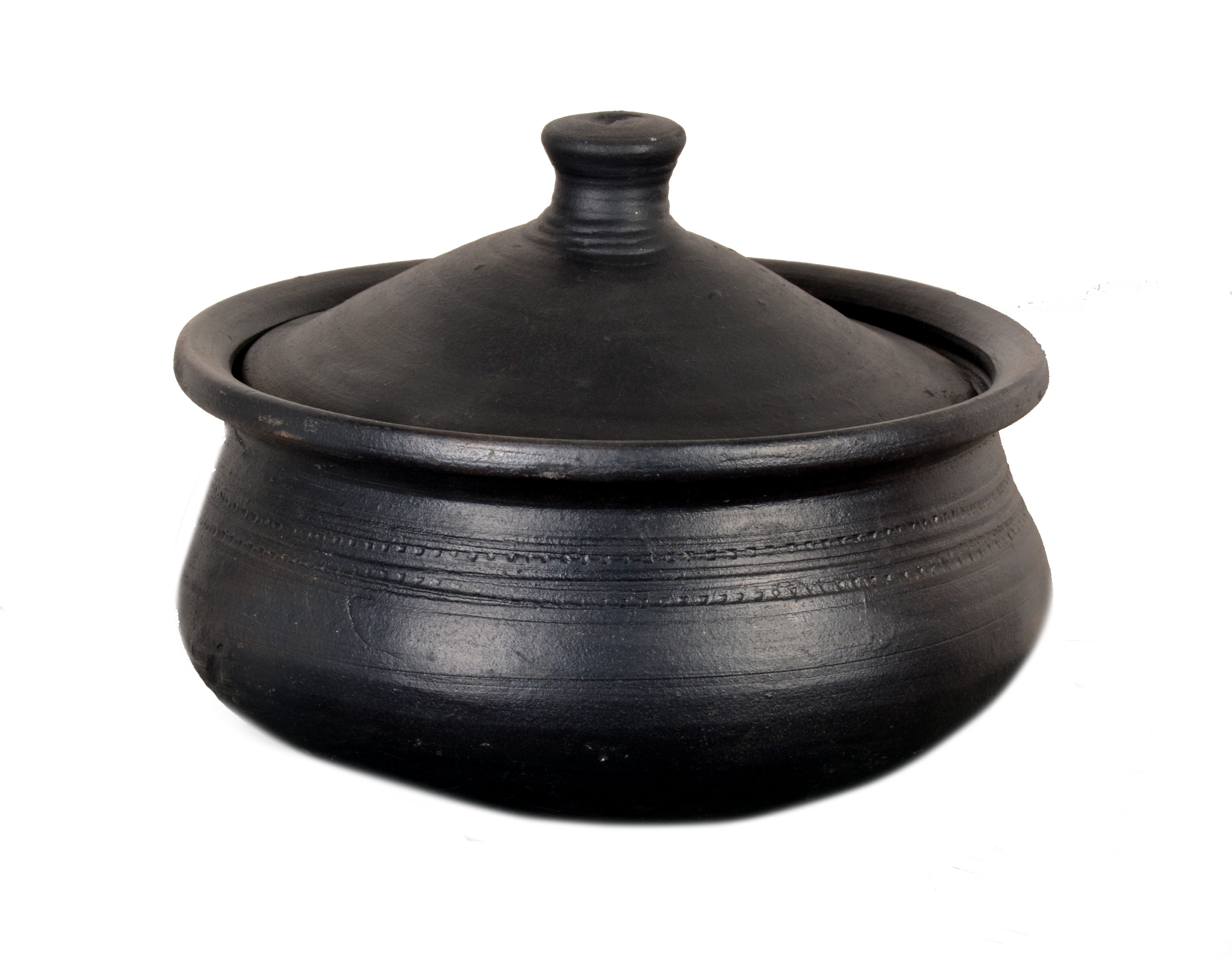
New Delhi: In a significant stride toward cleaner and safer traditional craft practices, researchers at the National Institute of Technology (NIT) Rourkela have introduced a patented eco-friendly technique that drastically reduces the time and pollution involved in producing black terracotta wares. The innovation trims the firing duration from nearly 48 hours to under seven hours while ensuring zero harmful emissions.
The traditional open-pit firing method, widely used across India, generates thick smoke filled with toxic gases such as carbon monoxide, carbon dioxide, sulphur oxides, and nitrogen oxides. These pollutants have long posed health risks to artisans, often leading to breathing difficulties and long-term respiratory problems. NIT Rourkela’s solution aims to eliminate these hazards without altering the craft’s cultural essence.
Explaining the science behind the innovation, Prof. Swadesh Kumar Pratihar of the Ceramic Engineering Department said the method integrates age-old artisan knowledge with modern engineering. “The key to this process is the indirect heating of as-fabricated bodies in an enclosed, air-depleted chamber,” he noted. During firing, pyrolysis of carbonaceous oil generates carbon monoxide and carbon soot, creating the reducing atmosphere needed for the distinctive black colour.
The controlled chamber ensures a uniform finish and removes the need for open fires, specialised clay, or highly trained labour. It also cuts out the environmental damage associated with burning large volumes of organic materials, making the process suitable for widespread adoption.
Researchers believe the technology could transform black terracotta production by offering a faster, cleaner, and more reliable alternative. Its potential extends beyond efficiency—contributing significantly to environmental protection while helping preserve the heritage craft.
Black pottery holds a rich history across India and neighbouring regions, with traditions passed down for generations. A prominent example is the Nizamabad Black Pottery from Uttar Pradesh, where artisans apply a natural glaze called kabiz and polish wares with mustard oil before firing them in sealed iron vessels with cow dung and straw. The new NIT Rourkela method offers a modern complement to such age-old practices while retaining the unique aesthetic value that defines black terracotta.