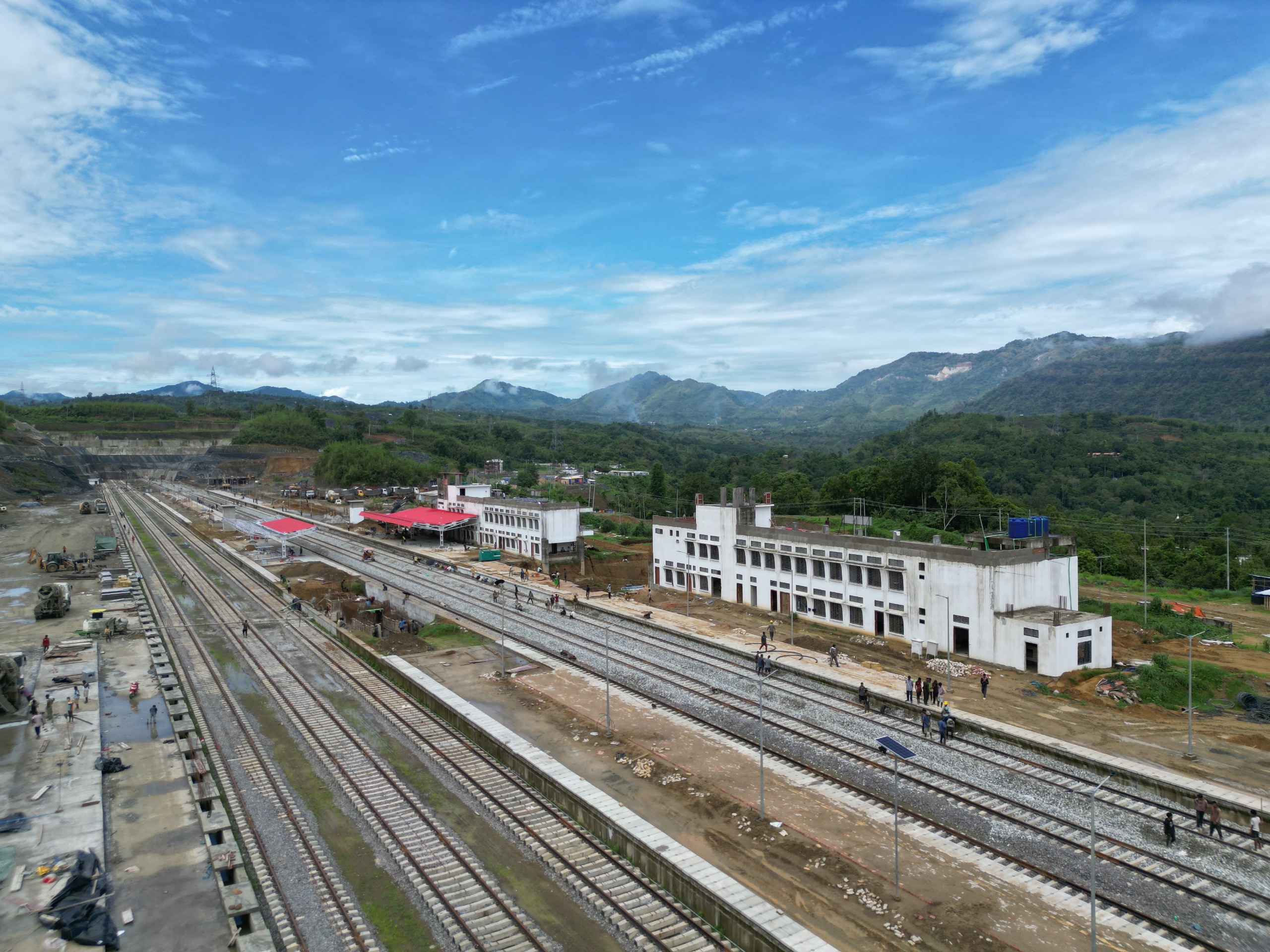
Sairang: High in the misty green hills of Mizoram, where clouds descend like curtains and time seems to slow, a new sound has pierced the silence — the whistle of a train. For the first time in history, the remote northeastern state of Mizoram has been officially connected to the Indian railway network with the inauguration of the Bairabi–Sairang rail line in June 2025, linking the state capital Aizawl to the broader Indian landscape by rail.
This engineering marvel not only marks a historic achievement in infrastructure and connectivity but also opens a new chapter in India’s eco-tourism and cultural travel story, bringing one of the last unexplored frontiers of India just a train ride away.
An Engineering Feat Through Untamed Beauty
Stretching 51.38 kilometers between Bairabi and Sairang, the rail line is a breathtaking journey through lush coniferous forests, soaring ridges, and steep gorges. Featuring 48 tunnels and 142 bridges, it offers a cinematic passage through Mizoram’s dramatic terrain — a route as much about the ride as the destination.
Soon, the Indian Railways plans to introduce Vistadome coaches, glass-roofed compartments designed to immerse travelers in the visual spectacle. Passengers will glide past the enchanting Reiek Hills, catch distant glimpses of the cascading Vantawng Falls, and pass near the ghostly forests surrounding Tam Dil Lake — all from the comfort of their seats.
“It feels like riding through a living postcard,” said Tashi Mehta, a travel blogger who was part of the inaugural journey.
Sairang: A Hidden Gem Reimagined
The rail line culminates at Sairang, a quiet riverside town just 20 km from Aizawl, nestled along the banks of the Serchhip River. Once accessible only via winding mountain roads, Sairang is poised to become a key tourism gateway in Mizoram. Plans are already underway to transform the station into a modern transit hub, complete with traveler assistance centers, artisan markets, and eco-friendly accommodations.
From Sairang, visitors can access major attractions such as:
-
Reiek Heritage Village – a traditional Mizo village atop a hill offering sweeping valley views.
-
Phawngpui National Park – the mystical “Blue Mountain” and home to clouded leopards and rare orchids.
-
Dampa Tiger Reserve – a dense and pristine wildlife haven ideal for eco-tourists and conservationists.
Culture, Cuisine, and the Call of Curiosity
Mizoram is more than just breathtaking landscapes — it is a living museum of Mizo culture. From bamboo handicrafts and handwoven shawls to smoked pork delicacies and soulful folk music, the state is ready to welcome culturally curious travelers.
“We’ve always believed our hills had stories worth sharing,” said Malsawmi Hmar, a local preparing to launch a guesthouse by the river. “Now, we finally have the tracks to bring people here.”
A New Dawn for Northeast Tourism
The Bairabi–Sairang rail line is more than a logistical feat — it is a tourism game-changer. Mizoram, often excluded from mainstream travel routes, now has direct access to national and potentially international tourism networks. With future plans to extend the line to the India–Myanmar border, Mizoram could soon emerge as a strategic node in the India–Southeast Asia cross-border tourism corridor.
From backpackers to filmmakers and nature lovers, this unexplored state is set to become India’s next eco-tourism hotspot.
All Aboard India’s Greenest Escape
For those weary of overcrowded hill stations and bustling beaches, Mizoram offers a rare retreat — untouched, unspoiled, and now, unmistakably accessible. The Bairabi–Sairang Railway Line is not just a journey through geography, but through India’s cultural and ecological soul.
So next time wanderlust strikes, look northeast. Let the whistle of Mizoram’s first train carry you through the clouds, into the forests, and toward the unknown.