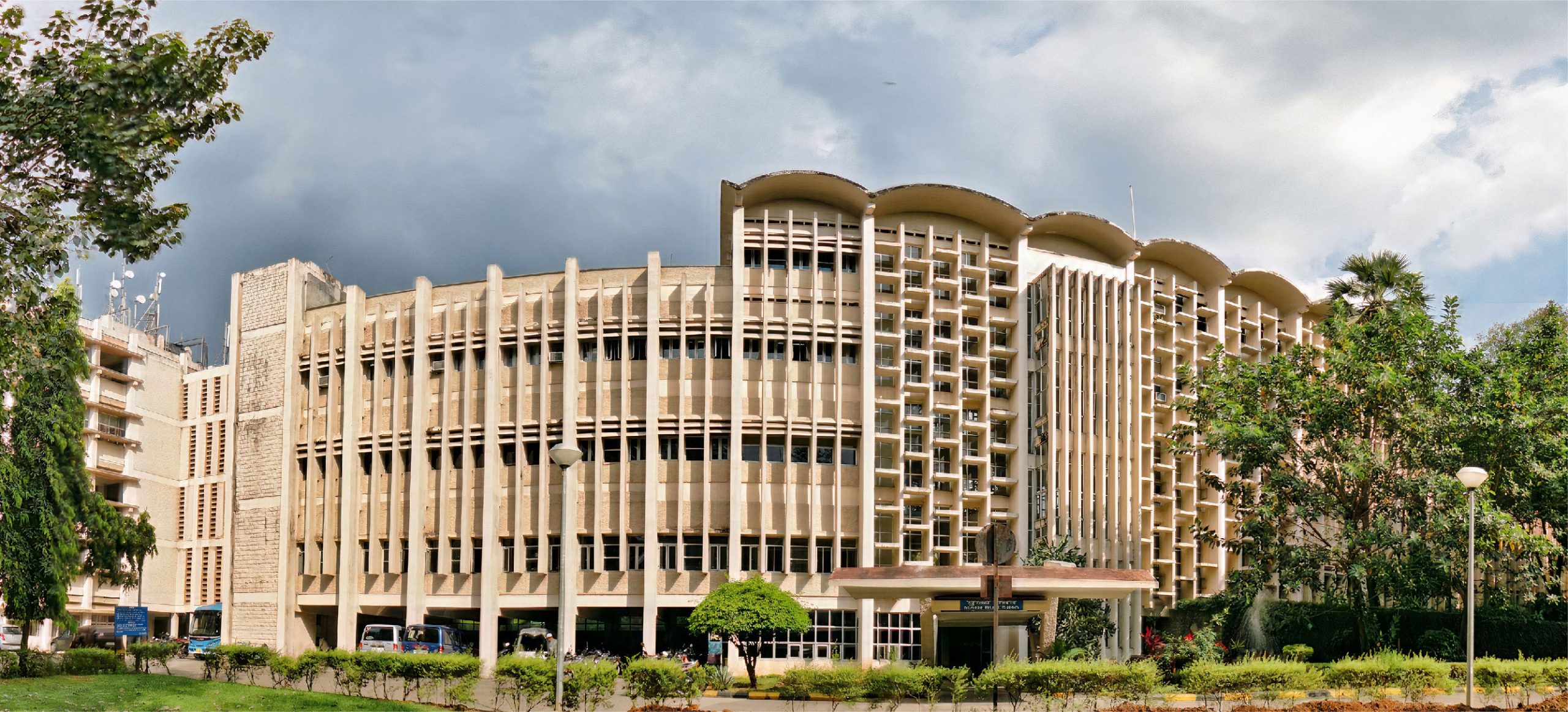
New Delhi: In a significant move to scale up India’s premier engineering institutions, the Union Cabinet chaired by Prime Minister Narendra Modi today approved the Phase-B infrastructure expansion of five newly established Indian Institutes of Technology (IITs) located in Andhra Pradesh (IIT Tirupati), Kerala (IIT Palakkad), Chhattisgarh (IIT Bhilai), Jammu & Kashmir (IIT Jammu), and Karnataka (IIT Dharwad).
The expansion, which will be carried out between 2025–26 and 2028–29, comes at an estimated cost of ₹11,828.79 crore, and is aimed at significantly enhancing academic capacity, research output, and industry collaboration.
With the proposed development, these five IITs will see their combined student intake grow by 6,576, increasing the total capacity from 7,111 to 13,687 students. This includes a phased increase of 1,364 students in the first year, 1,738 in the second year, 1,767 in the third year, and 1,707 in the fourth year, across Undergraduate, Postgraduate, and PhD programs.
The move aligns with the government’s commitment to expanding access to quality higher education. As mentioned in the Budget 2025–26, the total number of students across India’s 23 IITs has doubled over the last decade—from 65,000 to 1.35 lakh. The expansion is a response to the growing demand for IIT education and aims to fulfill the aspirations of students nationwide.
To support the enhanced academic load, the Cabinet has also approved the creation of 130 new faculty positions at the professor level (Level 14 and above). This is expected to ensure high-quality teaching and mentorship as the institutions scale up.
In addition, five new state-of-the-art research parks will be set up in these institutions to strengthen industry-academia collaboration, drive innovation, and encourage startup ecosystems. These research hubs will play a crucial role in translating academic research into real-world industrial applications.
The expansion is expected to generate direct employment through the recruitment of faculty, researchers, administrative staff, and support personnel. Moreover, the development of IIT campuses is likely to have a positive economic ripple effect on local communities by increasing demand for housing, transport, and other services.
The enhanced academic and research footprint will also contribute to nation-building, creating a skilled workforce equipped to drive India’s manufacturing, technology, and innovation goals.
Although the expansion is targeted at IITs located in specific states and UTs, admissions to IITs are conducted on a pan-India basis, ensuring that students from across the country benefit from the increased availability of seats and facilities.