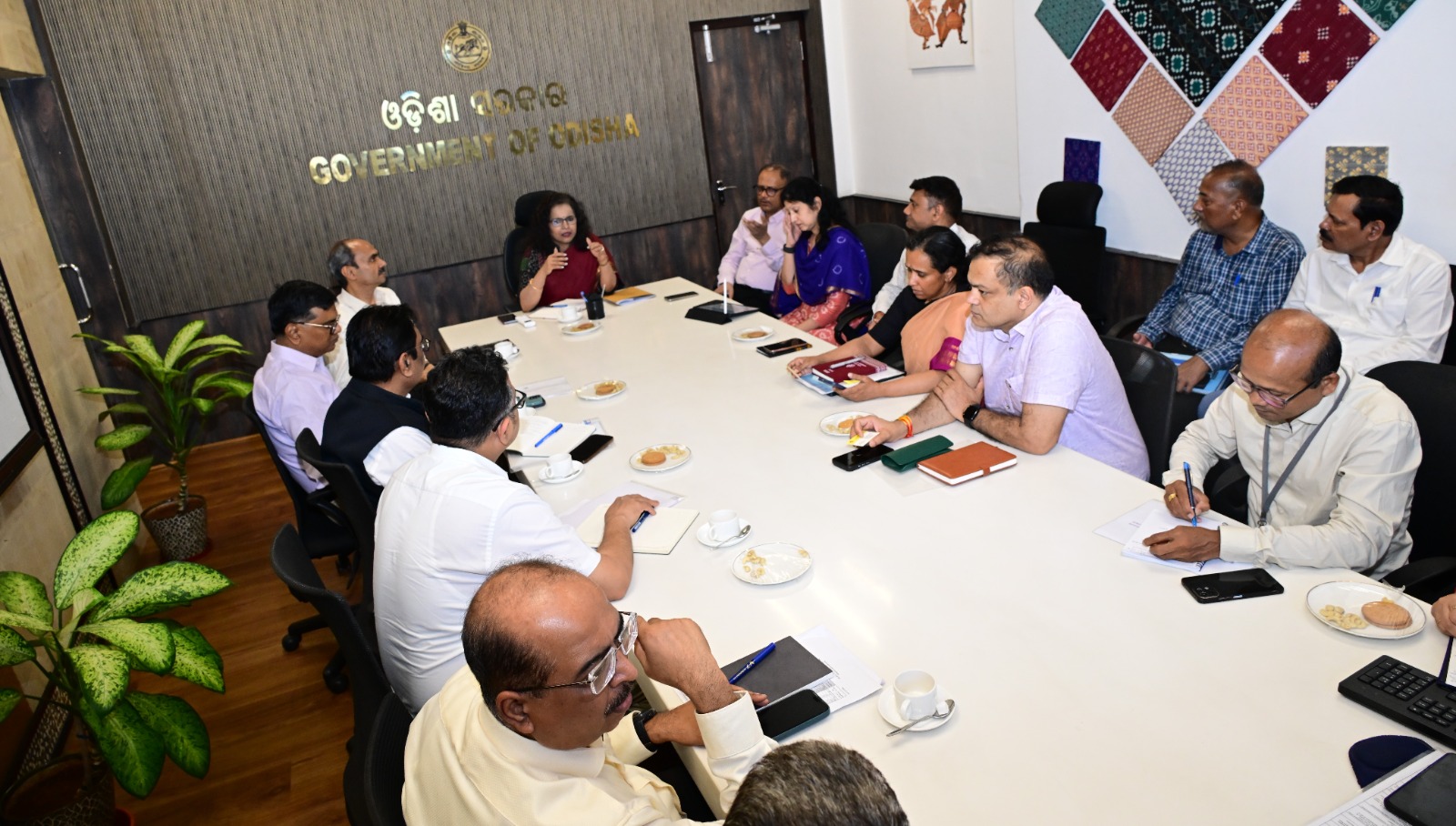
Bhubaneswar: In a major step to reshape Odisha’s development trajectory, the state government has earmarked ₹200 crore in the 2026–27 Budget for a dedicated Rural–Urban Transition initiative, aimed at steering rapid urban growth in a planned, sustainable and inclusive manner.
With several peri-urban areas and fast-growing Gram Panchayats organically transforming into urban clusters, the Housing and Urban Development (H&UD) Department has introduced a forward-looking framework to manage this shift scientifically and prevent unplanned sprawl. The initiative seeks to prepare emerging regions for urban status by strengthening governance systems, infrastructure, and service delivery well in advance.
Unlike conventional approaches that focus primarily on administrative reclassification, the new framework emphasises “governance readiness”. It aims to equip transition zones with urban-level civic amenities such as drainage, waste management systems, street lighting, and regulated land-use planning, while also preparing local administrations to adapt from rural to urban governance models.
The key pillars of the initiative include systematic development of peri-urban belts, early provision of essential civic infrastructure, climate-resilient land-use planning, and institutional capacity building for local bodies to handle urban governance challenges.
Housing and Urban Development Minister Dr Krushna Chandra Mahapatra said the initiative reflects the government’s commitment to foresighted development. “Odisha stands at a decisive moment. Urbanisation is inevitable, but unplanned urbanisation is avoidable. With this ₹200 crore corpus, we are choosing foresight over reaction. We are building well-planned urban ecosystems today to reflect the aspirations of a progressive Odisha tomorrow,” he said.
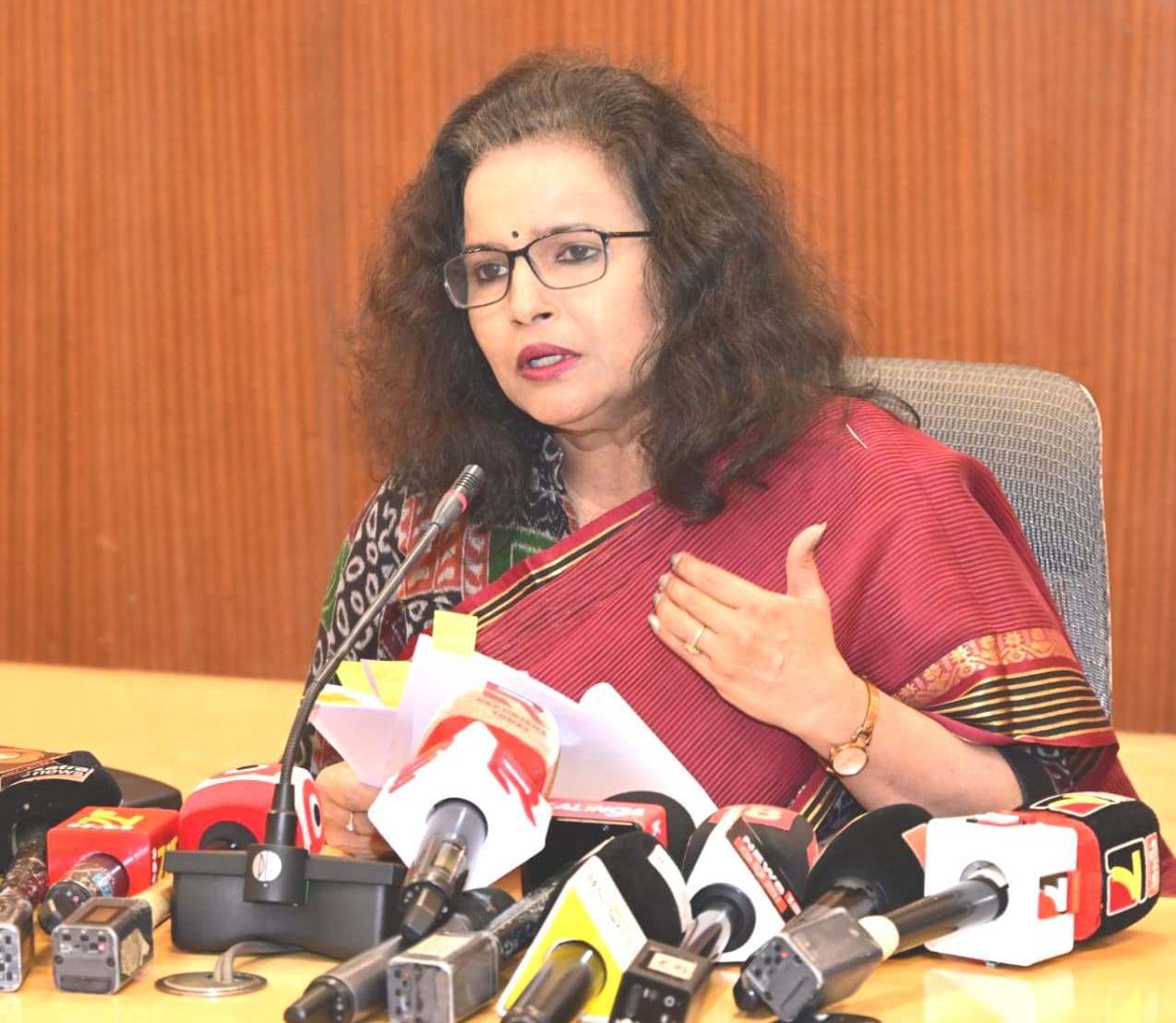
Additional Chief Secretary, H&UD, Usha Padhee highlighted that the programme will institutionalise a structured pathway for peri-urban areas to evolve into vibrant growth centres. “By using data-driven spatial planning and infrastructure benchmarking, we aim to ensure that growth remains regulated, sustainable and citizen-centric,” she said.
Looking ahead, the initiative will leverage inter-departmental convergence and technological integration to monitor settlement patterns in real time. By bridging the rural–urban continuum, the state aims to reduce infrastructure stress on existing cities while fostering the emergence of resilient, future-ready urban centres across Odisha.