Bhubaneswar: Odisha has reached a major milestone in its efforts to strengthen tsunami preparedness at the community level, with 100 coastal villages now recognised as “Tsunami Ready” under the UNESCO-IOC Tsunami Ready Recognition Programme.
The latest recognition of 75 villages in 2026 has taken the State’s total to 100, marking a significant step towards Odisha’s larger goal of preparing all 381 tsunami-prone coastal villages and habitations across its six coastal districts.
The initiative gained momentum after Chief Minister Mohan Charan Majhi set the vision in 2024 to make all tsunami-prone coastal villages in the State Tsunami Ready. Since then, the Odisha State Disaster Management Authority (OSDMA) has been expanding the programme with a focus on community awareness, early warning systems and preparedness at the grassroots level.
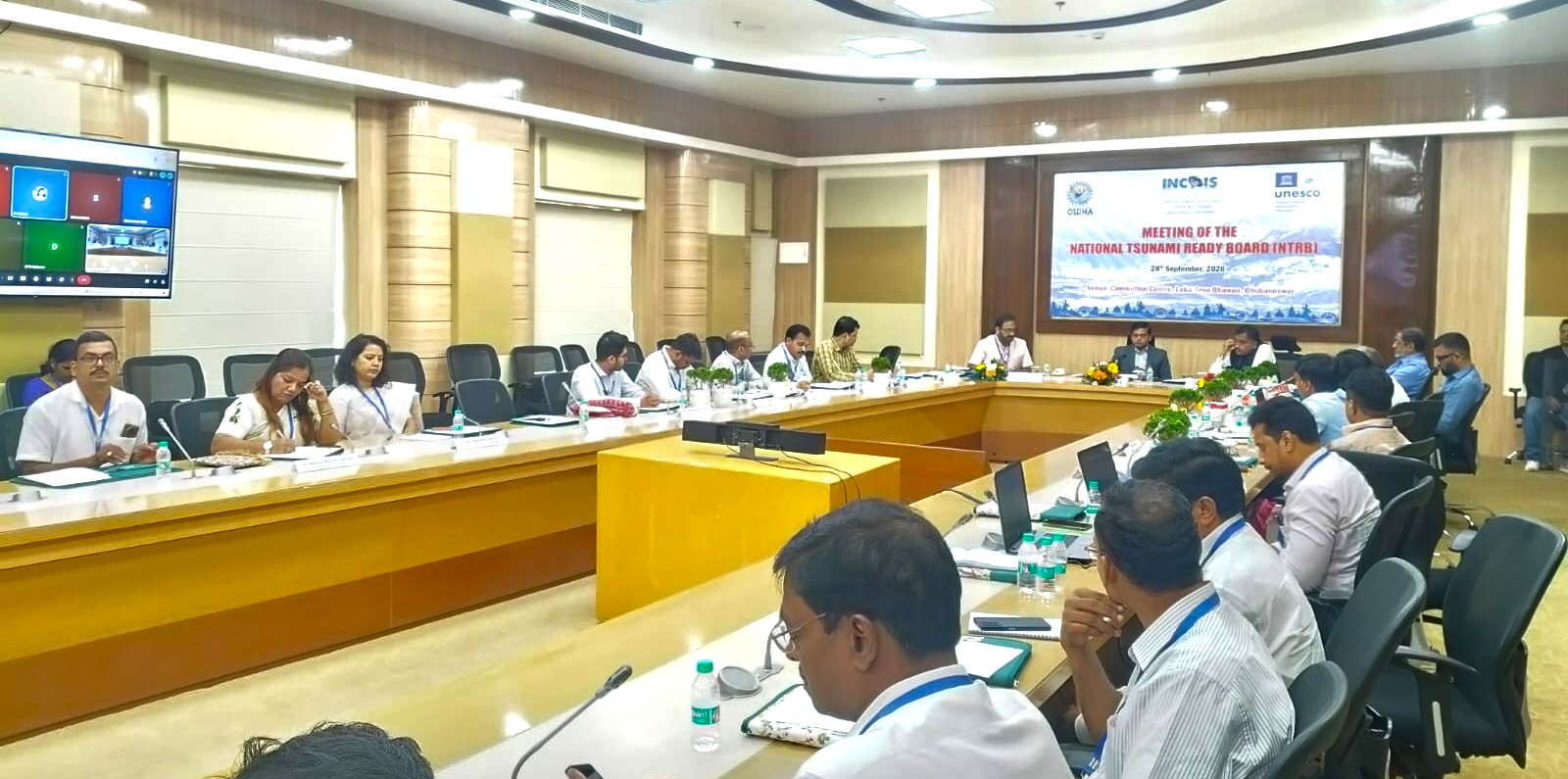
The latest progress was reviewed at a meeting of the National Tsunami Ready Board (NTRB) held on Monday at the Convention Centre in Bhubaneswar. The meeting was chaired by Dr Balakrishnan Nair, Director, Indian National Centre for Ocean Information Services (INCOIS), and Rajesh Prabhakar Patil, Managing Director, OSDMA.
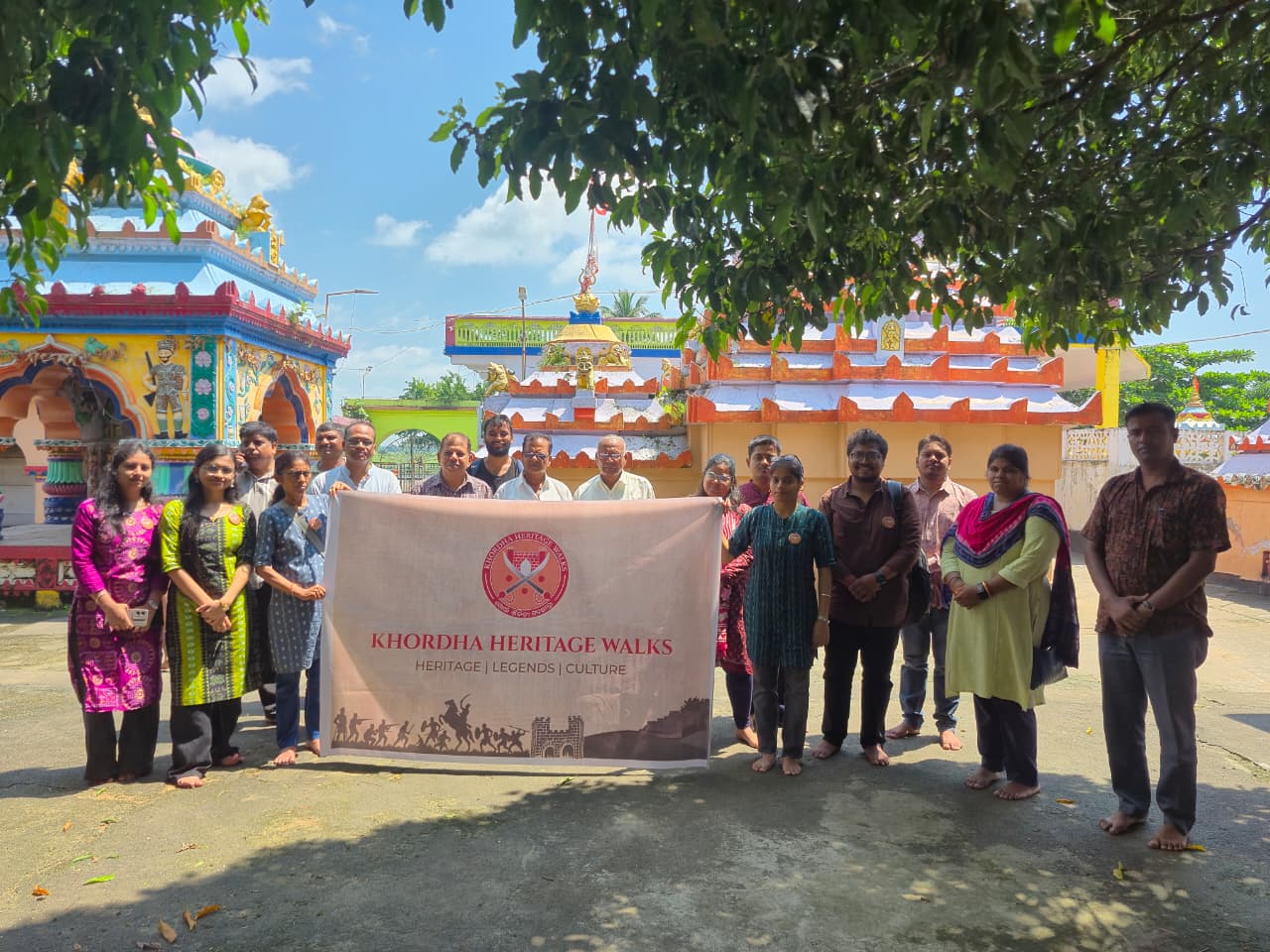
The meeting followed field verification conducted by the NTRB on September 26 and 27 across villages in six coastal districts. The Board visited Nidhipada and Gudupahi in Balasore; Muladihi, Bhatapada, Amarnagar and Nuagaon in Bhadrak; Sailendrasahi and Bhateni in Kendrapada; Motto and Singharpal in Puri; and New Kirtipur (1008), Laxmipur, Noliasahi and Ramtara in Jagatsinghpur.
During the visits, Board members interacted with residents and assessed their awareness of tsunami hazards, preparedness measures and response mechanisms.
Following the field assessment, members of the NTRB met Revenue and Disaster Management Minister Suresh Pujari and shared their observations and findings. The interaction also provided an opportunity to discuss field-level experiences and further strengthen preparedness measures in coastal communities.
The Board appreciated the participation of local communities and their understanding of tsunami risks and emergency response. It also noted the systematic preparedness measures undertaken by OSDMA and the State’s efforts to translate scientific early-warning systems into community-level action.
The National Tsunami Ready Board comprises Dr Balakrishnan Nair, Director, INCOIS; Dhaval Pandya, IAS, Additional CEO, Gujarat State Disaster Management Authority; Cdr P.K. Srivastava, Scientist G/Advisor, Ministry of Earth Sciences; Dr Sudheer Joseph, Group Director, INCOIS; Yashvantsingh Parmar, Senior Manager, GSDMA; and Janik Ram, Assistant Director (Administration), Andaman and Nicobar State Disaster Management Authority.
The meeting was attended by Dr Kamal Lochan Mishra, Advisor, OSDMA; Susmita Behera, Executive Director, OSDMA; OSDMA officials and scientists from INCOIS. Suci Dewi Anugrah, Chair, Working Group-3 on Tsunami Ready Implementation under ICG/IOTWMS-UNESCO-IOC, joined the meeting virtually.
Odisha’s Tsunami Ready journey began in 2019 when Venkatraipur (Boxipalli) in Ganjam and Noliasahi in Jagatsinghpur became the first villages in the State to receive the recognition. India was the first country in the Indian Ocean Region to implement the programme, while Odisha became the first State in the country to prepare communities under the initiative. In 2024, another 24 villages in Odisha received Tsunami Ready recognition.
The UNESCO-IOC Tsunami Ready Recognition Programme is a community-based initiative aimed at strengthening preparedness through cooperation among government agencies, scientific institutions, community leaders and emergency management authorities. It focuses on building communities capable of responding effectively to tsunami threats and protecting lives, livelihoods and property.
The programme is currently being implemented in 22 countries in the Indian Ocean Region, including India.
With 100 villages now recognised, Odisha has covered more than a quarter of its identified 381 tsunami-prone coastal villages and habitations. The State plans to extend the programme to the remaining communities in phases, combining scientific early-warning systems with local knowledge, awareness and community-led preparedness.