Bhubaneswar: The Odisha government has put greater emphasis on using district-level data to identify gaps in social sector programmes and improve outcomes in nutrition, education and healthcare.
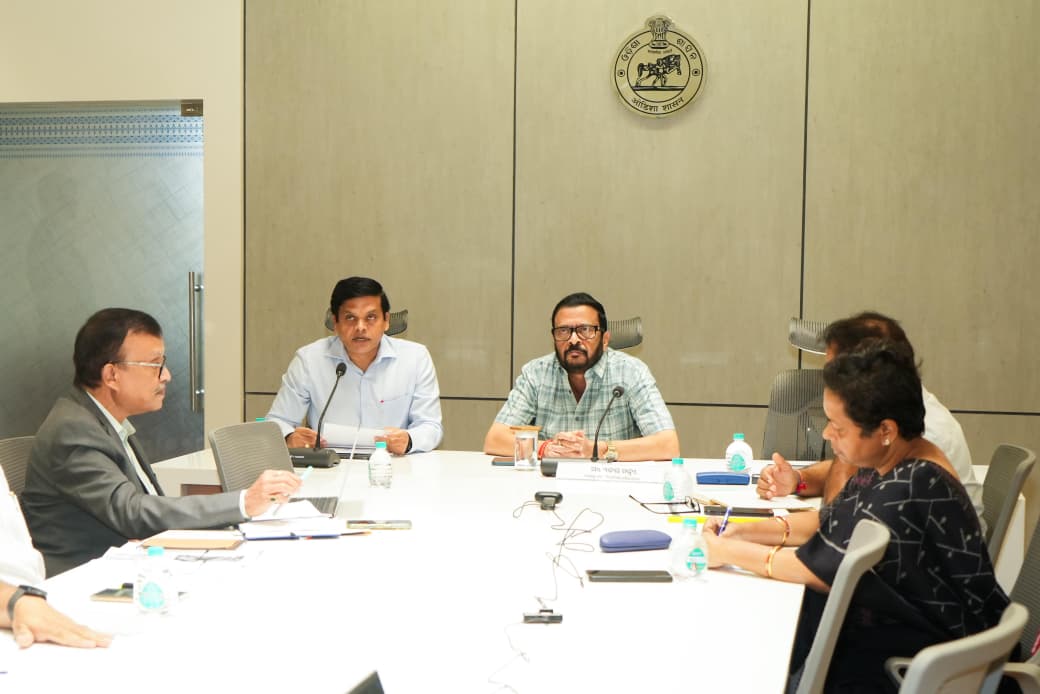
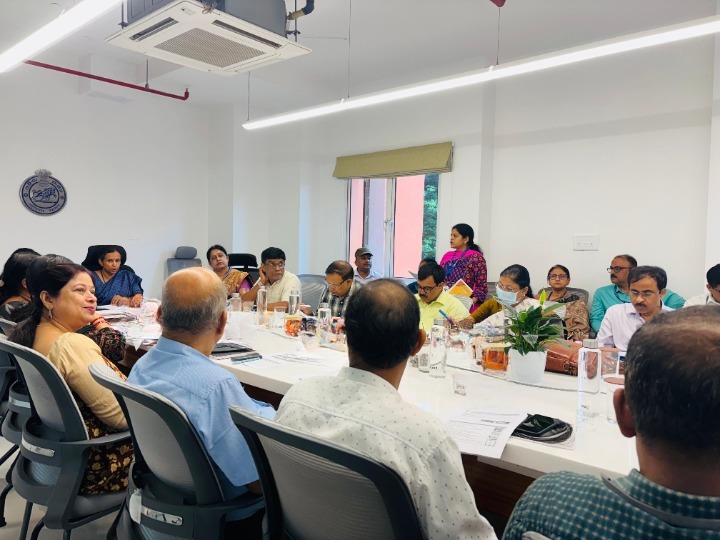
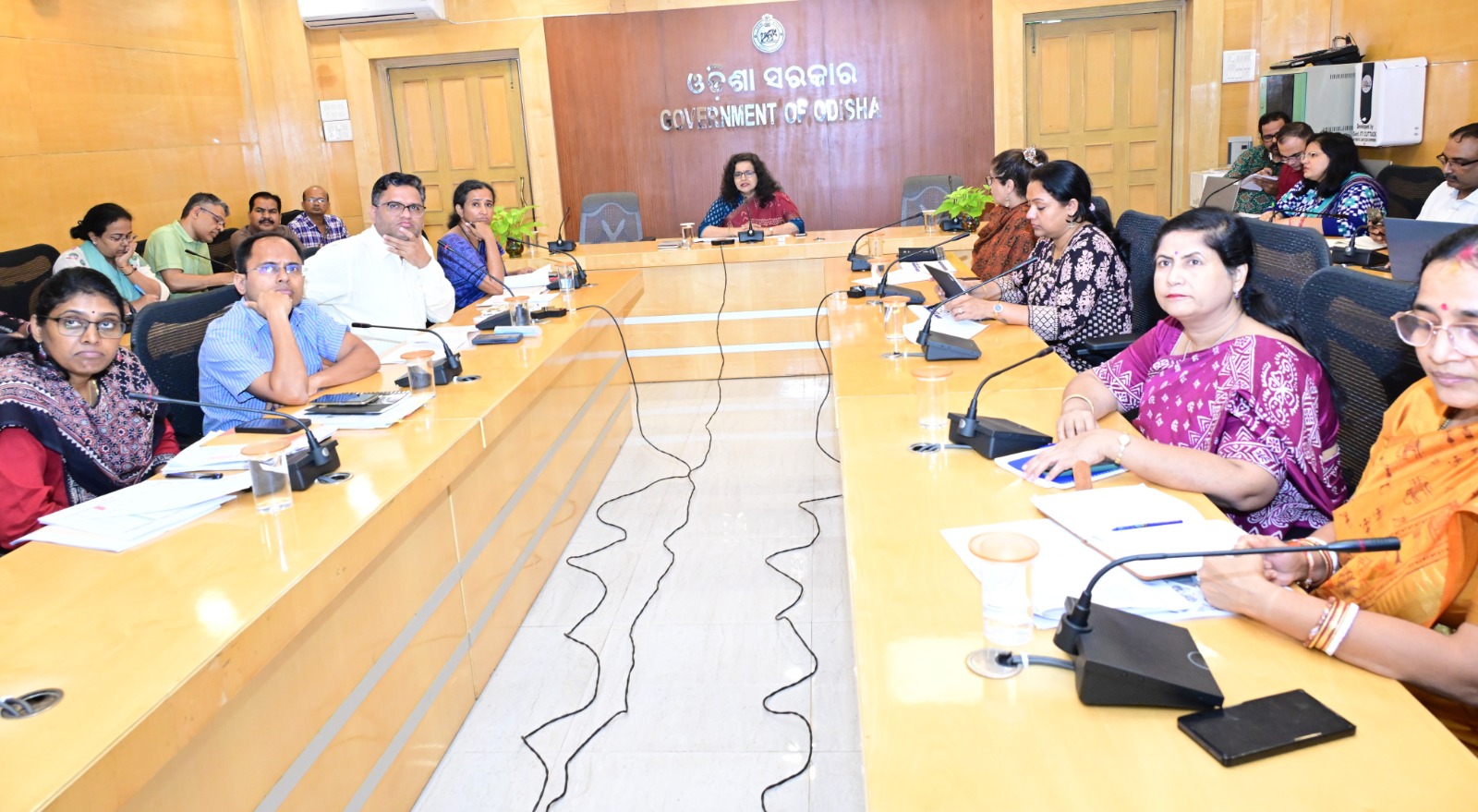
Chief Secretary Anu Garg reviewed the performance of key social sector departments during the ‘PRAYAS’ meeting held at Lok Seva Bhawan, where officials discussed indicators and challenges relating to the Women and Child Development, School and Mass Education, and Health and Family Welfare departments.
The review brought district-level issues into focus, with officials stressing the need for regular analysis of data, closer coordination between departments and continuous follow-up to ensure that identified problems are resolved on time.
Secretaries of the Women and Child Development, School and Mass Education, Health and Family Welfare, ST & SC Development, and Minorities & Backward Classes Welfare departments, along with directors and senior officials, participated in the meeting. RDCs, Collectors and District Magistrates joined virtually.
Nutrition emerged as a key area of discussion, with the Women and Child Development Department asked to strengthen measures aimed at improving maternal and child nutrition.
Officials discussed promoting nutrition gardens and household vegetable cultivation, distributing seedlings and involving SHGs to improve the availability of fresh vegetables. Regular growth monitoring of children at Anganwadi centres, home visits and capacity building of Anganwadi workers were also emphasised.
In the education sector, the government focused on improving Foundational Literacy and Numeracy (FLN) among primary school students. Regular assessment of learning levels, effective use of teaching materials and close monitoring of learning outcomes were identified as important measures for improving foundational skills.
The health sector review examined maternal and neonatal care, infection prevention and measures to reduce mortality among mothers and newborns. Officials informed the meeting that the neonatal mortality rate had declined during the January-July 2026 period.
Two successful cases from district hospitals were highlighted. A newborn weighing just 500 grams at birth recovered after 78 days of treatment at the SNCU of Nabarangpur DHH and was discharged at 1.6 kg. A premature baby weighing 900 grams at Mayurbhanj DHH also recovered following treatment.
The meeting also reviewed hospital infection-control practices, including hand hygiene, sanitation, biomedical waste management and regular retraining of healthcare personnel.
A major X-ray screening campaign under the 100-day ‘TB Mukt Bharat Abhiyan’ will begin across the State from September 1.
Collectors have been directed to ensure maximum utilisation of available X-ray machines, conduct screening camps in remote locations and monitor the progress of the campaign on a daily basis.
District-level achievements were also presented during the meeting. Angul’s initiatives to bring down maternal deaths and Rayagada’s efforts to tackle anaemia among schoolchildren through screening and IFA supplementation were highlighted as examples of targeted interventions.
The PRAYAS meeting concluded with an emphasis on making social sector programmes more responsive to people’s needs through evidence-based planning, stronger coordination and continuous monitoring.