Bhubaneswar: To achieve Open Defecations Free (ODF) Plus Odisha status, the state has adopted a multidimensional approach shared by Principal Secretary, Panchayati Raj & Drinking Water Department, Sushil Kumar Lohani in an event.
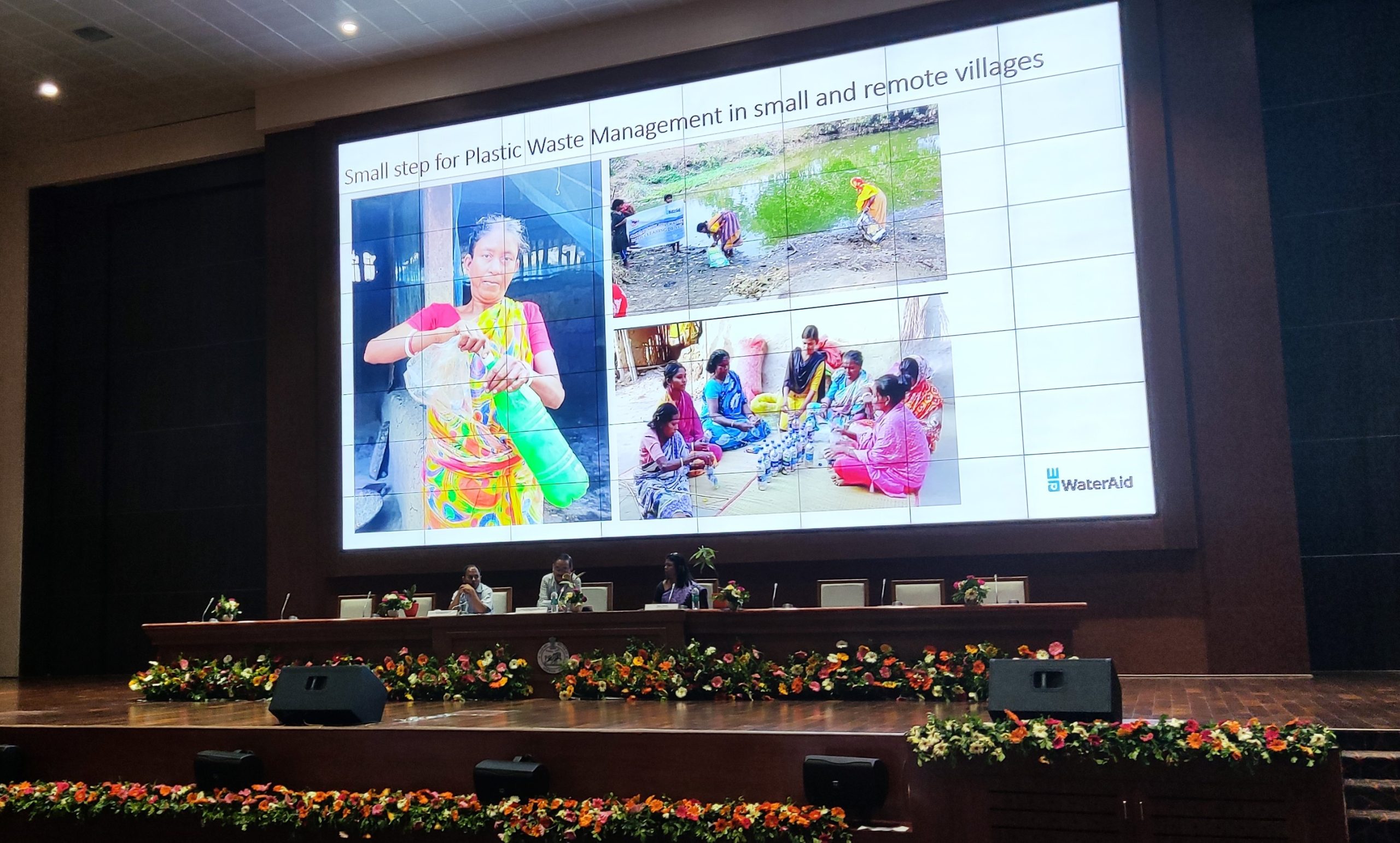
He was speaking during a one-day workshop on Water, Sanitation, and Hygiene (WASH) organized by the Panchayati Raj & Drinking Water Department, Government of Odisha in collaboration with UNICEF and local and national development partners in Bhubaneswar on Thursday.
“We are focussing on Urban-Rural Convergence between Panchayati Raj and Drinking Water (PR&DW) and Housing and Urban Development (H&UD) departments to cater to the Gram Panchayats/Villages beyond a 20 km radius of Urban Faecal Sludge Treatment Plants (FSTPs) to meet their desludging requirements,” he added.
The need of the hour is to adopt a multidimensional approach for both toilet retrofitting means converting the existing single pit toilets into twin pit toilets and Faecal Sludge management (FSM), shared Lohani.
The workshop was organised to analyze the status of progress of Sustainable Development Goal 6 (SDG 6), which is to ensure that everyone in the world has access to lasting and safe water, sanitation, and hygiene (WASH) services in Odisha.
B Parmeswaran, Director of, the Drinking Water Department said, “Construction of individual soak pits which has been the norm under Swacchh Bharat Mission (SBM-G) Odisha has also been taken up under the ongoing Sujalam 3.0 campaign on a war footing. So far, Odisha has been successful in emerging as a top-performing state in this campaign”.
He further said “On the waterfront, the government provides safe and adequate drinking water to every household through the national flagship program. The tap water connection at the doorstep has a far-reaching socio-economic impact on rural livelihood systems.”
The participants focused on the sustainability of the WASH service and emphasized systems strengthening, developing tools and frameworks, and identifying locations for qualitative data collection and convergence of partners.
Development partners like UNICEF, Water Aid, Water For People, SuSanA, and IRC were also present at the workshop where they shared a mission to develop strong and resilient local, state, and national water, sanitation, and hygiene systems.
“Children and their families in poor and rural communities are most at risk of being left behind. Governments must invest in their communities if we are to bridge these economic and geographic divides and realise this important human right,” said Shipra Saxena, WASH-CCES Specialist, UNICEF.
Bhubaneswar: Chief Minister Mohan Charan Majhi on Sunday inaugurated two affordable housing projects in Bhubaneswar,…
Bhubaneswar: Odisha has received the prestigious ‘Wind India 2026: Leadership in Wind Energy De-risking’ award…
Bhubaneswar: The Police Commissionerate, Bhubaneswar-Cuttack, has announced traffic restrictions across Bhubaneswar from October 16 to…
Bhubaneswar: To manage the expected rise in passenger traffic during the upcoming Durga Puja and…
Greater Noida: Odisha’s traditional handlooms and handicrafts are attracting buyers and visitors from India and…
Bhubaneswar: Food vendors at this year's Bali Jatra in Cuttack will be encouraged to use…