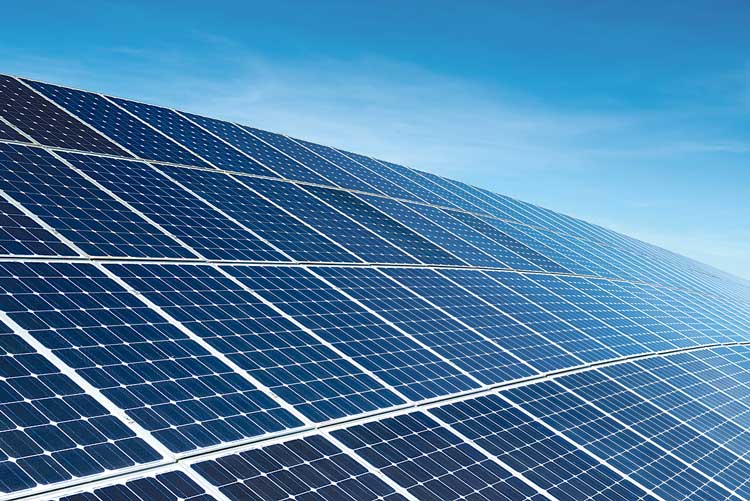
Bhubaneswar: Odisha has crossed the milestone of three lakh residential rooftop solar installations under the Pradhan Mantri Surya Ghar: Muft Bijli Yojana, achieving its 2027 target well ahead of schedule.
A total of 3,01,720 rooftop solar systems have been installed across urban and rural households in the state, marking progress in the adoption of renewable energy. The achievement has been supported by combined financial assistance from the Centre and the state government, offering subsidies of up to ₹1.38 lakh to eligible households.
The additional state subsidy, over and above the central financial assistance, has helped reduce the initial cost of installing rooftop solar systems, making the technology more accessible to households.
To encourage wider participation, the state government has undertaken awareness programmes, local solar camps and mobile outreach initiatives. The ‘Solar Ratha’ campaign has been taken to different areas to familiarise people with the benefits of rooftop solar installations, available subsidies, net metering provisions and the online registration process.
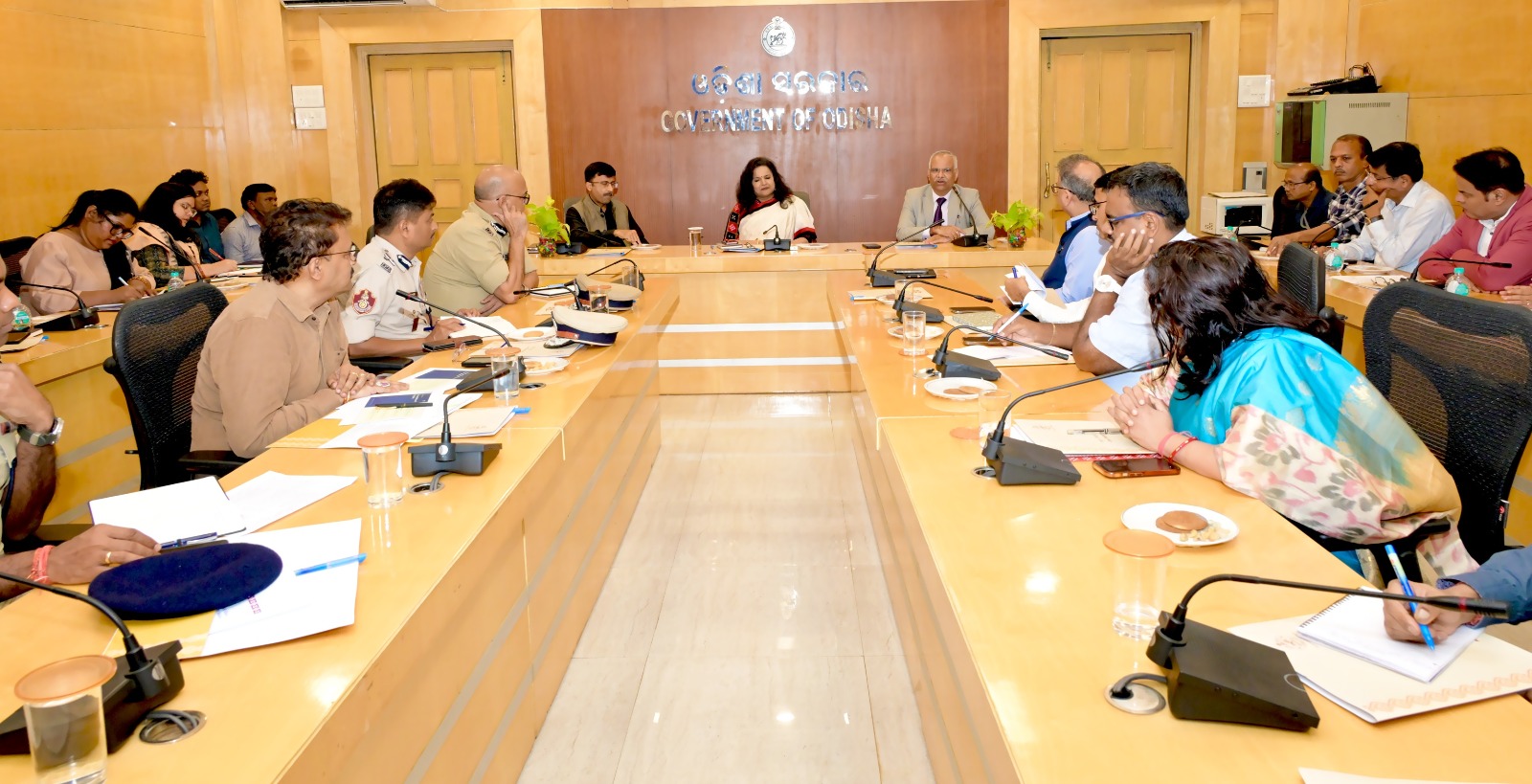
Deputy Chief Minister Kanak Vardhan Singh Deo said crossing the three-lakh installation mark ahead of the 2027 deadline was an important milestone in Odisha’s transition towards clean and sustainable energy.
He said the state government would continue to expand rooftop solar adoption through additional financial support, public awareness campaigns and initiatives such as the Solar Ratha. The objective is to make affordable clean energy accessible to more households and encourage consumers to participate in the state’s energy transition.
The four power distribution companies operating in Odisha—TP Central Odisha Distribution Limited (TPCODL), TP Northern Odisha Distribution Limited (TPNODL), TP Southern Odisha Distribution Limited (TPSODL) and TP Western Odisha Distribution Limited (TPWODL)—have also contributed to the implementation of the scheme across all 30 districts.
The distribution companies have facilitated vendor onboarding, technical approvals and consumer registration to simplify the installation process and accelerate the adoption of rooftop solar systems.
The scheme aims to encourage households to generate electricity through rooftop solar installations, reduce dependence on conventional power sources and lower electricity expenses while contributing to the expansion of renewable energy in the state.