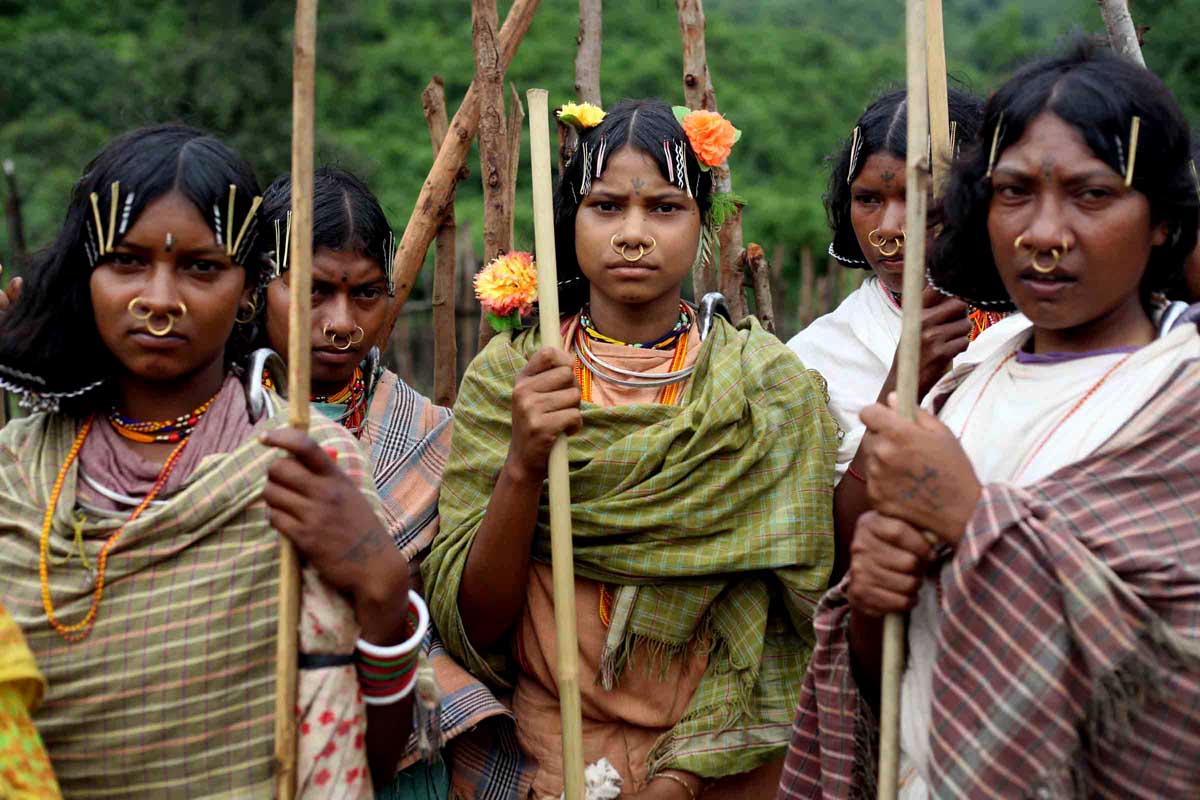
Bhubaneswar: In a major push to improve livelihoods in tribal-dominated regions, the Odisha Cabinet on Saturday approved the second phase of the Mukhya Mantri Janajati Jeevika Mission (MMJJM 2.0), a ₹2,995-crore programme that aims to benefit around eight lakh tribal and Particularly Vulnerable Tribal Group (PVTG) households over the next five years.
The flagship scheme of the ST & SC Development, Minorities and Backward Classes Welfare Department will be implemented from 2026-27 to 2030-31 with full financial support from the state government. The mission will cover 19 districts, including 134 Tribal Sub-Plan and Micro Project Area blocks, 23 Integrated Tribal Development Agencies (ITDAs) and 20 Micro Project Areas.
MMJJM 2.0 is an expanded version of the ongoing first phase, which is being implemented in 13 districts and covers around 1.5 lakh tribal households. The new phase seeks to extend livelihood support to all PVTG households in the state while broadening income-generating opportunities in both agriculture and non-farm sectors.
Under the programme, each eligible household will receive financial assistance of ₹30,000 in two instalments through the Direct Benefit Transfer (DBT) system. Beneficiaries will have the flexibility to choose livelihood activities based on local resources, market demand and individual preferences.
The mission will support a wide range of livelihood activities, including agriculture, horticulture, livestock rearing, fisheries, sericulture, forest-based enterprises, value addition of non-timber forest produce, handloom, handicrafts, traditional arts and rural entrepreneurship. It also provides for investments in irrigation, storage, processing, post-harvest infrastructure and marketing facilities to strengthen the rural economy.
The Cabinet also approved targeted interventions for PVTG communities, including nutritional support for children, pregnant women and lactating mothers, as well as the establishment of crèche facilities in PVTG habitations. A dedicated Flexi Fund of ₹500 crore has been created to address critical infrastructure gaps in these settlements through a participatory planning process.
According to the government, MMJJM 2.0 is expected to enhance household incomes, promote scientific and sustainable livelihood practices, strengthen community institutions and accelerate inclusive socio-economic development in Odisha’s tribal regions.
Bhubaneswar: Odisha has stepped up its disaster preparedness as a weather system over the region…
Bhubaneswar: Odisha has intensified its efforts to tackle drug abuse in six identified narcotics hotspots,…
Bhubaneswar: Bamboo artisans, entrepreneurs and self-help groups in Odisha now have a dedicated marketplace to…
Gurgaon: Shunya Agritech has launched FodrPulse, a free mobile application designed to help hydroponic fodder…
Bhubaneswar: The Bhubaneswar Development Authority (BDA) has opened the online application process for allotment of…
Bhubaneswar: Odisha is looking to make irrigation projects more closely linked with farm production and…