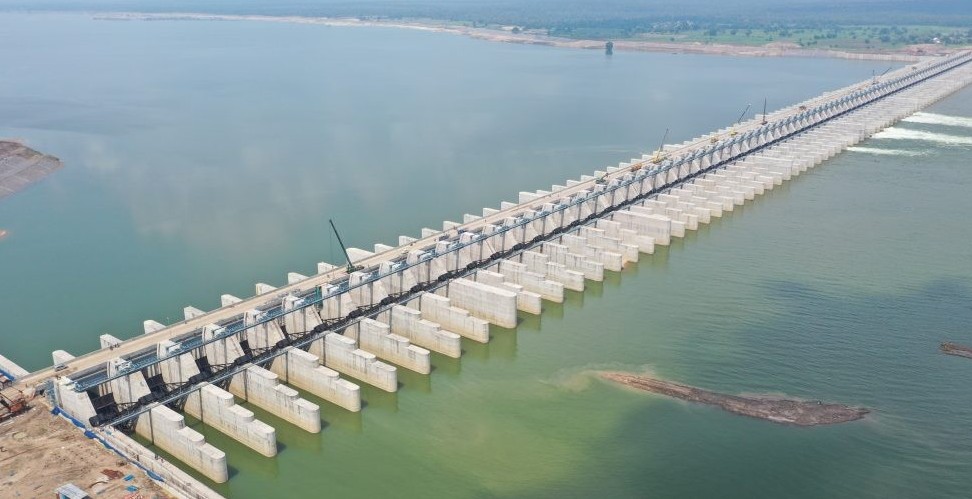
Bhubaneswar: The Odisha government has approved a major irrigation expansion plan targeting water-deficit and upland areas, with the State Cabinet clearing the Parbati Giri Mega Lift Irrigation Project at an estimated cost of ₹12,458.04 crore.
The project, to be funded entirely from the state’s own resources, will be implemented over five years from 2026-27 to 2030-31. It will comprise 161 mega lift irrigation schemes and is expected to create an additional irrigation potential of 2.62 lakh hectares across all districts of Odisha.
The initiative is aimed at reducing farmers’ dependence on monsoon rainfall and providing assured irrigation in areas where conventional gravity-based irrigation systems are difficult to implement.
Focus on Water-Deficit Areas
Agriculture continues to be a major source of livelihood in Odisha, but a significant portion of cultivable land remains dependent on rainfall. The government has therefore been focusing on mega lift irrigation schemes, particularly in upland and water-deficit areas.
Unlike conventional irrigation systems that largely depend on natural elevation and gravity, mega lift projects draw surface water and transport it through underground pressurised pipeline networks. This helps reduce water losses during conveyance and enables irrigation in areas that are not easily accessible through gravity-based systems.
So far, 209 Mega Lift Irrigation schemes have been completed, creating irrigation potential for around 2.66 lakh hectares across 23 districts.
Pressurised System to Support Micro-Irrigation
The Parbati Giri project will use a pressurised pipeline distribution system that can be integrated with micro-irrigation technologies. The system is expected to improve water-use efficiency and encourage more judicious utilisation of available water resources.
The government expects mega lift schemes to deliver irrigation benefits within a comparatively shorter period because of their lower gestation period compared with conventional large irrigation projects.
With assured access to water, farmers are also expected to have greater flexibility in choosing crops according to market demand and local conditions.
Push for Crop Diversification
The project is expected to encourage farmers to gradually diversify from water-intensive paddy cultivation towards high-value cash crops, which could help improve agricultural productivity and farm incomes.
Reliable irrigation will also enable farmers to cultivate crops during multiple seasons, increasing cropping intensity and reducing the risks associated with irregular or inadequate monsoon rainfall.
The government expects the expanded irrigation network to contribute to more sustainable agricultural development by improving water availability, supporting crop diversification and strengthening the resilience of farming communities.
The Parbati Giri Mega Lift Irrigation Project is being positioned as a major step towards expanding assured irrigation coverage across Odisha and strengthening the state’s agricultural economy.