Bhubaneswar: The Odisha Government has approved five Instream Storage Structure (ISS) projects worth ₹625.47 crore across five districts within a month, aiming to strengthen water security, groundwater recharge and climate resilience in rural areas.
The projects, spread across Rayagada, Kalahandi, Ganjam, Balangir and Sonepur districts, are expected to benefit nearly 72,000 people in 74 villages by improving water availability and supporting agricultural and other livelihood activities.
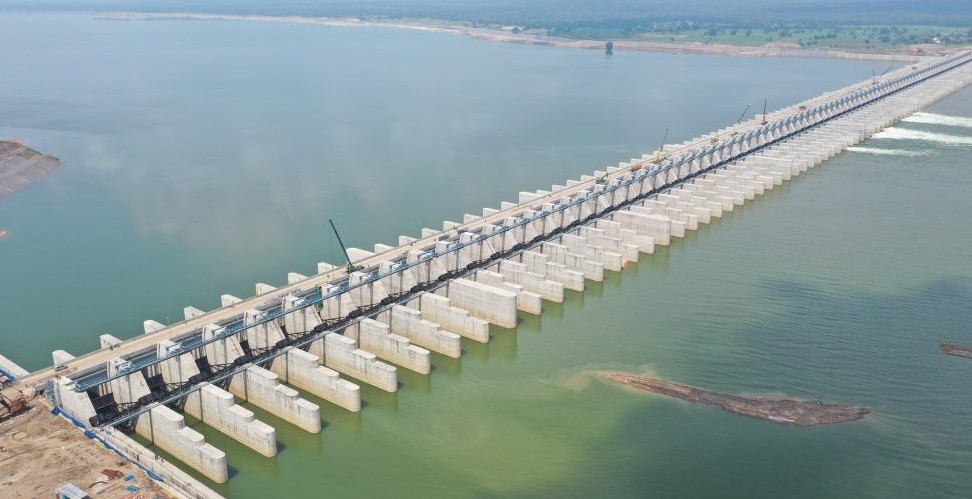
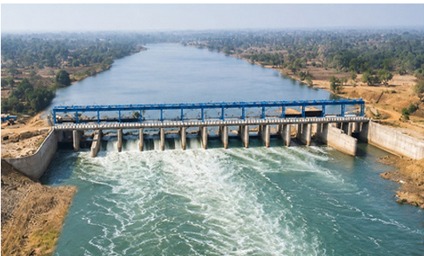
The five projects include Dhuanpadar ISS on the Vansadhara River and Revatiguda ISS on the Nagavali River in Rayagada district; Bhimpur ISS on the Bahuda River in Ganjam; Muralijore ISS near Nijharidara village in Bhawanipatna block of Kalahandi; and Kutasingha Barrage across the Ong River, a major tributary of the Mahanadi, benefiting communities in Balangir and Sonepur districts.
The proposed structures will help conserve monsoon water within river channels, ensuring its availability during the lean season. The stored water is also expected to facilitate groundwater recharge and improve the sustainability of wells and borewells, particularly in water-stressed areas.
Apart from meeting domestic water requirements, the projects will support irrigation, livestock rearing and other rural livelihood activities. Dhuanpadar, Muralijore and Revatiguda projects are also expected to create opportunities for fisheries and allied activities, providing additional income sources for rural communities.
The approvals are part of the State Government’s renewed mission-mode approach to the Instream Storage Structure programme since 2024, with an emphasis on water conservation, sustainable resource management and climate adaptation.
Under the leadership of Chief Minister Mohan Charan Majhi, the State Government has prioritised the development of sustainable water infrastructure to address water-related challenges and strengthen rural livelihoods. The five projects are expected to contribute to long-term water security while supporting ecological resilience across the targeted districts.