Bhubaneswar: The Ministry of Tourism, through its central sector schemes ‘Swadesh Darshan (SD)’ and ‘Pilgrimage Rejuvenation and Spiritual Heritage Augmentation Drive (PRASHAD),’ continues to support tourism infrastructure development by providing financial assistance to State Governments and Union Territory Administrations. Recently, several projects in Odisha have been sanctioned under these schemes.
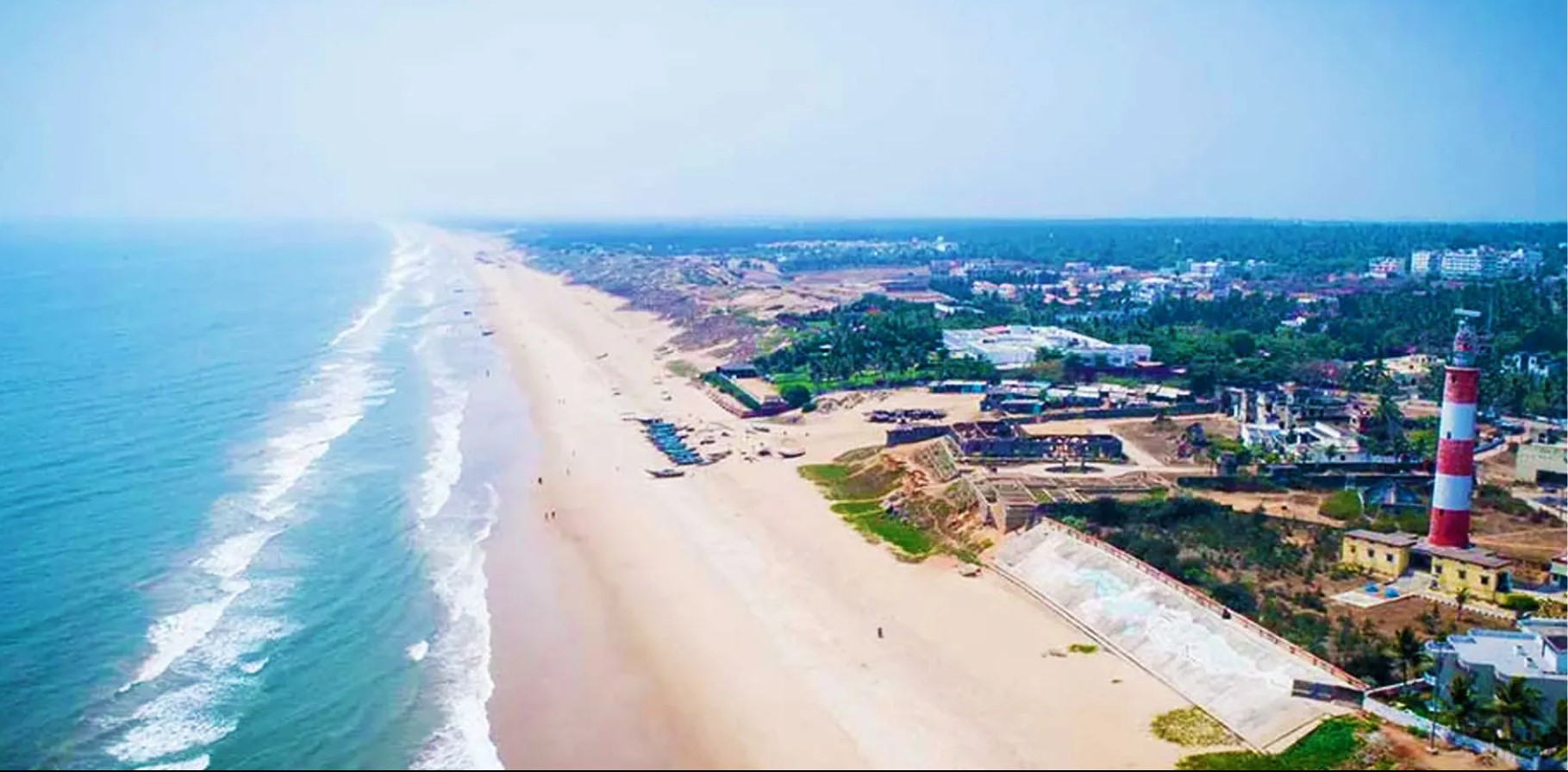
Under the Swadesh Darshan 1.0 (SD 1.0) scheme, Rs. 70.82 Crores has been allocated for the development of Gopalpur, Barkul, Satapada, and Tampara. Additionally, the PRASHAD scheme has sanctioned Rs. 50.00 Crores for infrastructure development in Puri.
The Ministry has now revamped the Swadesh Darshan scheme as Swadesh Darshan 2.0 (SD 2.0) with the objective of developing sustainable and responsible tourism destinations. Under SD 2.0, 57 destinations across the country have been identified for development, including ‘Koraput’ and ‘Debrigarh’ in Odisha, along with the special attraction of ‘Khinda Village.’ Moreover, the Ministry has identified the ‘Chausath Yogini Temple’ and ‘Maa Kichakeswari Temple’ in Odisha for development under the PRASHAD scheme.
Union Minister for Tourism and Culture, Shri Gajendra Singh Shekhawat, provided this information in a written reply in the Lok Sabha today. He emphasized the government’s commitment to enhancing tourism infrastructure and promoting sustainable tourism across the nation.
Bhubaneswar: Seeking to enhance accessibility and efficiency in revenue services, the Odisha government has initiated…
Bhubaneswar: In a major reform aimed at easing the tax burden on individuals and businesses,…
Bhubaneswar: In a major step to strengthen digital service delivery at the grassroots level, the…
New Delhi: Indian Railways has introduced upgraded interiors for the next-generation Amrit Bharat Express coaches,…
Bhubaneswar: Debrigarh Wildlife Sanctuary has achieved a major milestone in 2025–26, recording its highest-ever revenue…
Bhubaneswar: With temperatures rising across the state, the Odisha government has directed all schools to…