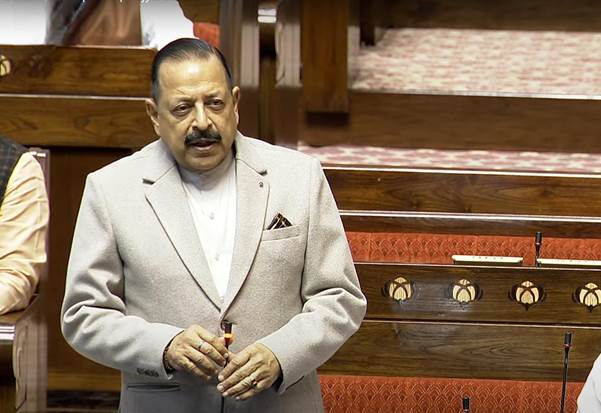
New Delhi: Union Minister Dr. Jitendra Singh reaffirmed the equitable representation of rural, urban, and tribal populations in the Genome India Project while addressing an unstarred question in the Rajya Sabha today. He stated that approximately 36.7% of the samples were collected from rural areas, 32.2% from urban regions, and 31.1% from tribal populations.
Dr. Singh, who holds multiple key portfolios including Science and Technology, Earth Sciences, and Atomic Energy, highlighted the challenges faced by researchers in ensuring diverse participation in the project.
The Minister pointed out several difficulties encountered during data collection, particularly from remote and tribal areas:
- Geographic Accessibility: Reaching isolated tribal regions posed logistical hurdles.
- Cultural and Socioeconomic Barriers: Convincing rural and tribal populations to participate required overcoming deep-seated cultural and social concerns.
- Lack of Awareness: Many individuals were unaware of the benefits of genetic research, leading to skepticism and reluctance to participate.
- Data Representation and Bias: While urban populations were easier to access and more informed, efforts were made to ensure proportional representation of all communities.
- Logistical Constraints: Limited healthcare infrastructure and laboratory access in remote regions made sample collection and analysis difficult.
Dr. Singh emphasized that the Genome India team adopted a strategic approach to address these obstacles. “Nearby logistics hubs were set up to facilitate sample transportation, and laboratories were prepared in advance to handle large volumes of samples,” he said.
Additionally, partnerships with local healthcare institutions helped streamline data collection, while engagement with local leaders and community representatives fostered trust and encouraged participation.
Public awareness campaigns were also launched to educate communities about the importance of genetic research and assure them of data confidentiality. Moderated outreach initiatives ensured the fair inclusion of diverse demographic groups, while systematic planning helped mitigate logistical constraints in remote areas.
The Genome India Project, aimed at creating a comprehensive genetic database representative of India’s diverse population, is expected to pave the way for groundbreaking advancements in precision medicine, genetic research, and public health strategies.