Bhubaneswar: Odisha has intensified efforts to develop an integrated and future-ready transport network for its fastest-growing economic corridor, with the Housing & Urban Development Department reviewing the progress of an Asian Development Bank (ADB)-supported initiative aimed at transforming regional mobility and public transport systems.
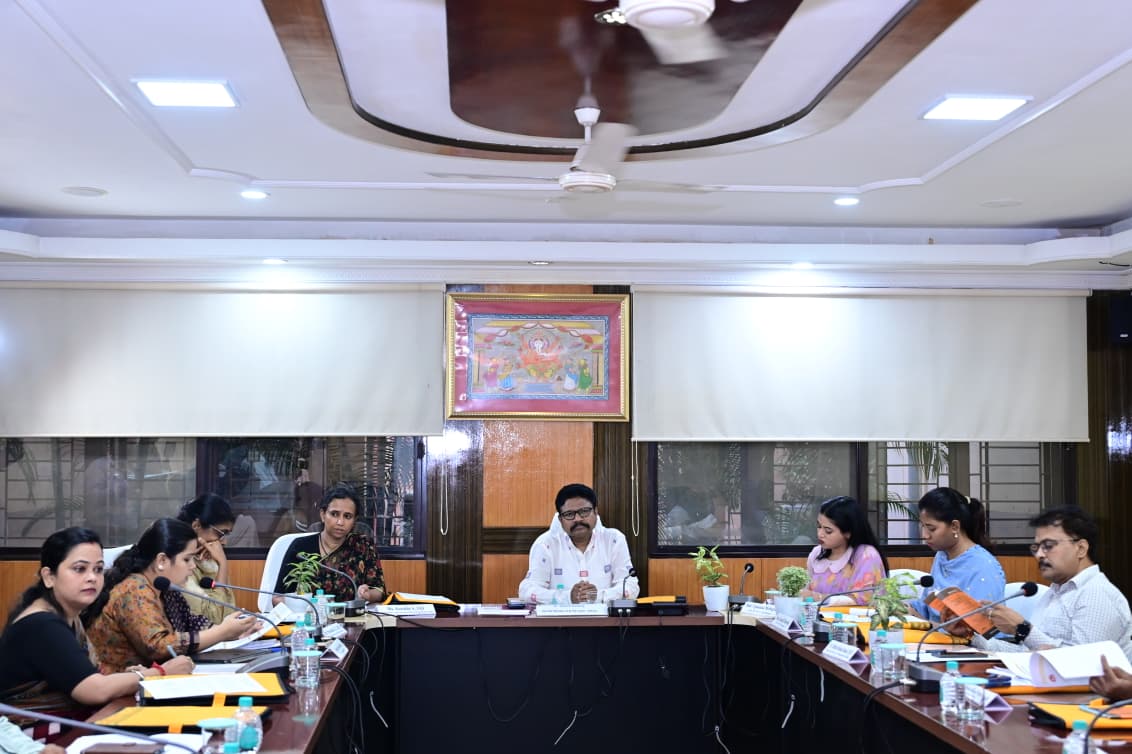
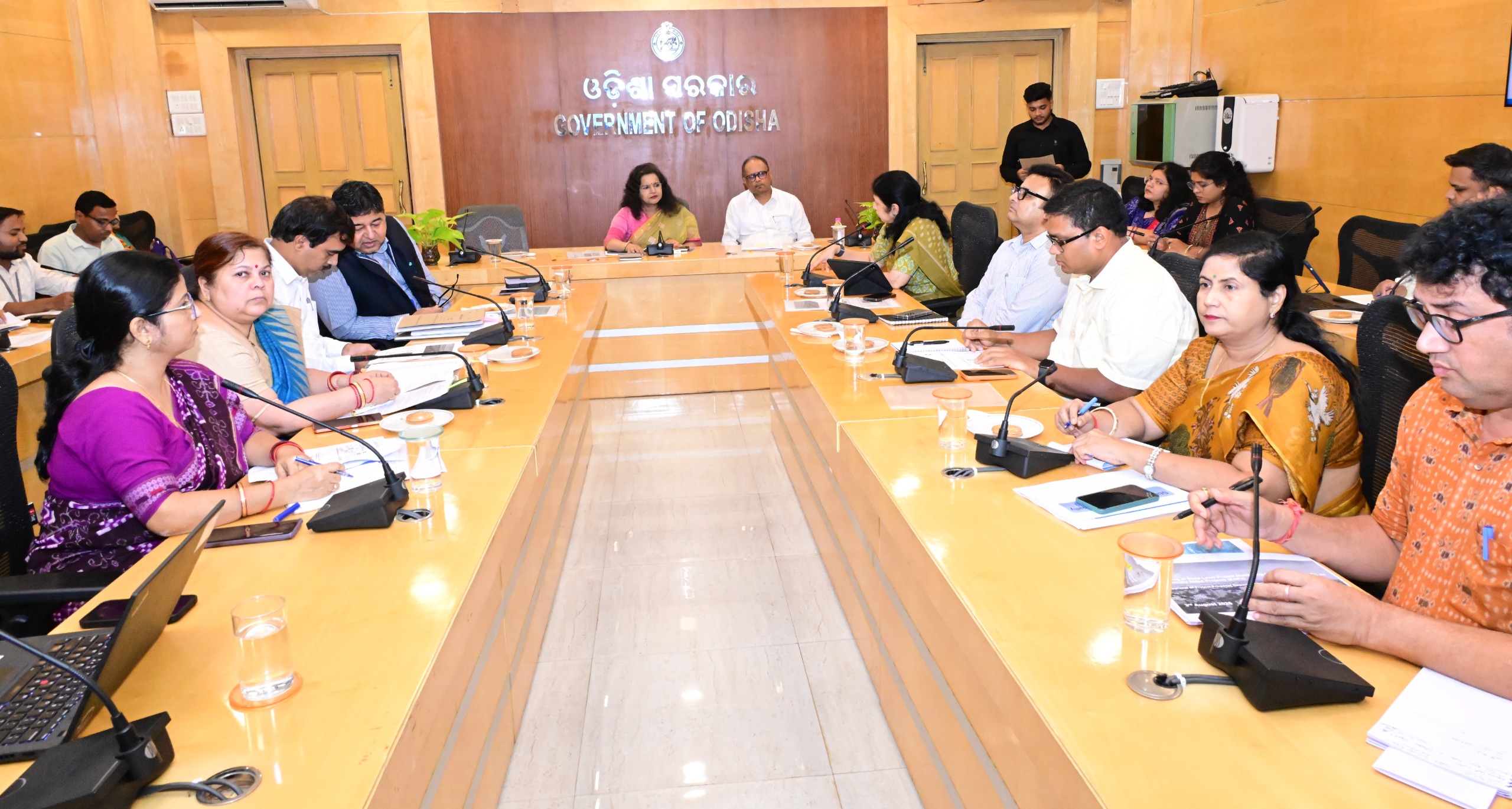
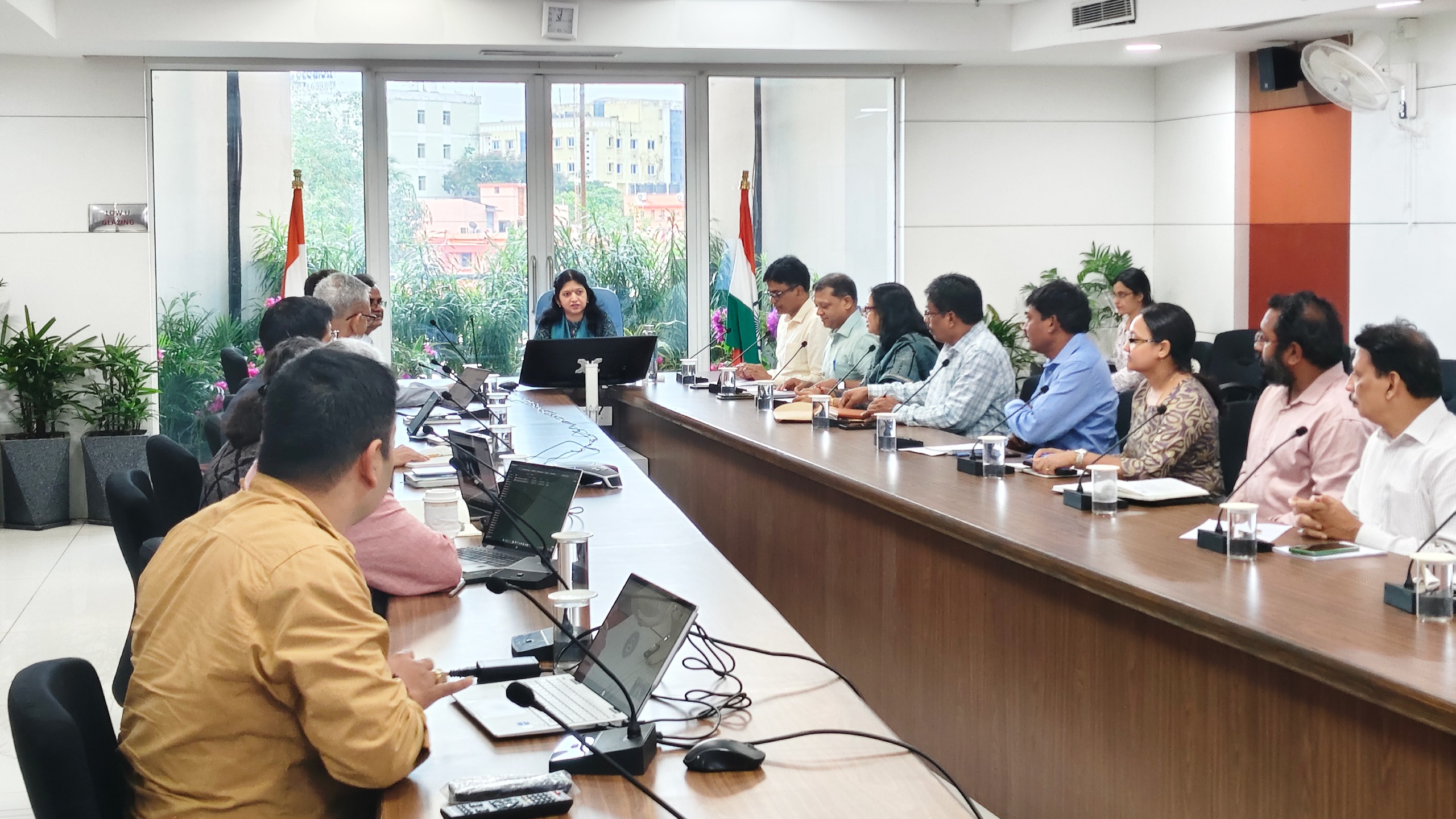
A high-level review meeting chaired by Additional Chief Secretary Usha Padhee assessed the implementation of the Technical Assistance Programme for preparation of a Comprehensive Regional Mobility Plan (CRMP) for the Bhubaneswar-Cuttack-Puri-Paradip Economic Region (BCPPER) and a State-wide Bus Service Transformation Roadmap.
Senior officials of the department, representatives of the Asian Development Bank, consultants from SYSTRA and Delhi Integrated Multi-Modal Transit System Ltd. (DIMTS), and officials from various stakeholder agencies participated in the deliberations.
The Technical Assistance Programme, signed with ADB in December 2025 with an assistance of US$1 million, seeks to establish a long-term framework for integrated mobility, urban growth and sustainable transport planning in Odisha’s emerging economic hub. The initiative focuses on creating stronger linkages between public transport, land-use planning, logistics infrastructure, digital mobility solutions and institutional reforms.
During the meeting, consultant teams presented the proposed framework for the Comprehensive Regional Mobility Plan covering nearly 11,900 sq. km of the BCPPER region. The region, which is home to over 9.2 million people and a workforce of more than 4.1 million, has been identified as a key economic growth engine for the state.
The proposed mobility plan will provide a 20-year vision for regional transportation and urban development. It will address multimodal transport integration, public transit expansion, non-motorised transport infrastructure, freight movement, parking management, transit-oriented development and climate-resilient mobility solutions. The plan will be supported by detailed surveys, GIS-based mapping, travel demand analysis and socio-economic studies.
The review also focused on the State-wide Bus Service Transformation Roadmap being prepared for Capital Region Urban Transport (CRUT) and Odisha State Road Transport Corporation (OSRTC). The roadmap aims to modernise public transport services through route optimisation, fleet expansion, electrification of buses, adoption of digital technologies and measures to improve financial sustainability.
Officials said the strategy would help strengthen urban bus operations in the capital region while enabling OSRTC to enhance regional and inter-city connectivity across the state. The initiative will also encourage wider adoption of Intelligent Transport Systems (ITS), data-driven planning and improved passenger amenities.
Discussions further covered policy interventions such as Transit-Oriented Development (TOD), Land Value Capture (LVC), sustainable financing models and urban redevelopment strategies. The proposal for operationalising a Unified Transport Authority (UTA) for the BCPPER region was also reviewed to facilitate coordinated transport planning and seamless multimodal integration.
ADB representatives briefed the meeting on the proposed City Economic Region (CER) initiative, which seeks to integrate mobility, urbanisation, logistics, governance reforms and digital infrastructure under a unified development framework. Potential investment opportunities and priority projects for future implementation were also discussed.
Addressing the meeting, Padhee stressed the importance of adopting an integrated regional approach to mobility planning and urban development. She highlighted the need for strong inter-departmental coordination, timely data sharing and evidence-based planning to ensure successful implementation of the programme.
She noted that the Bhubaneswar-Cuttack-Puri-Paradip corridor has the potential to emerge as a model economic region driven by sustainable urbanisation, efficient transport systems and enhanced connectivity. She directed all stakeholder agencies to extend full cooperation to the planning process and ensure timely progress of activities under the ADB-supported programme.