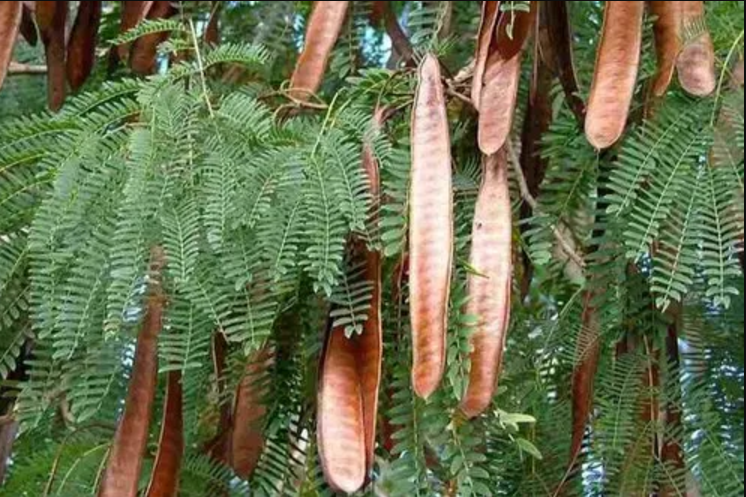
Guwahati: Researchers at the Institute of Advanced Study in Science and Technology (IASST), Guwahati, have identified the therapeutic potential of Subabul seedpods in managing insulin resistance associated with type II diabetes. Their breakthrough study has led to the development of a marker-assisted bioactive fraction and the isolation of four active compounds from the traditional medicinal plant, scientifically known as Leucaena leucocephala (Lam.) de Wit.
Subabul, a fast-growing leguminous tree native to tropical and subtropical regions, has long been used by ethnic communities for its nutritional and medicinal benefits. Its leaves and immature seeds, rich in protein and fiber, are consumed as soups, salads, or cooked dishes, highlighting its traditional role in human and animal diets.
A team comprising Abhipsha Saikia, Pranamika Sarma, and Prof. Jagat C Borah explored the seedpods’ bioactivity to address insulin resistance. Their findings include:
The study, published in the prestigious journal ACS Omega, corroborates ethnobotanical claims regarding Subabul’s use in treating diabetes and related metabolic disorders. It demonstrates the plant’s potential to enhance glucose uptake and address insulin resistance at the cellular level.
The findings present promising opportunities for developing plant-based therapeutic interventions for type II diabetes. The use of Subabul seedpods could offer a natural, cost-effective supplement to existing treatments, particularly for communities that have traditionally relied on this plant.
Cuttack: A letter advising a young man to meet freedom fighter Nabakrushna Chaudhury, nearly 50…
Bhubaneswar: Odisha has stepped up its disaster preparedness as a weather system over the region…
Bhubaneswar: Odisha has intensified its efforts to tackle drug abuse in six identified narcotics hotspots,…
Bhubaneswar: Bamboo artisans, entrepreneurs and self-help groups in Odisha now have a dedicated marketplace to…
Gurgaon: Shunya Agritech has launched FodrPulse, a free mobile application designed to help hydroponic fodder…
Bhubaneswar: The Bhubaneswar Development Authority (BDA) has opened the online application process for allotment of…