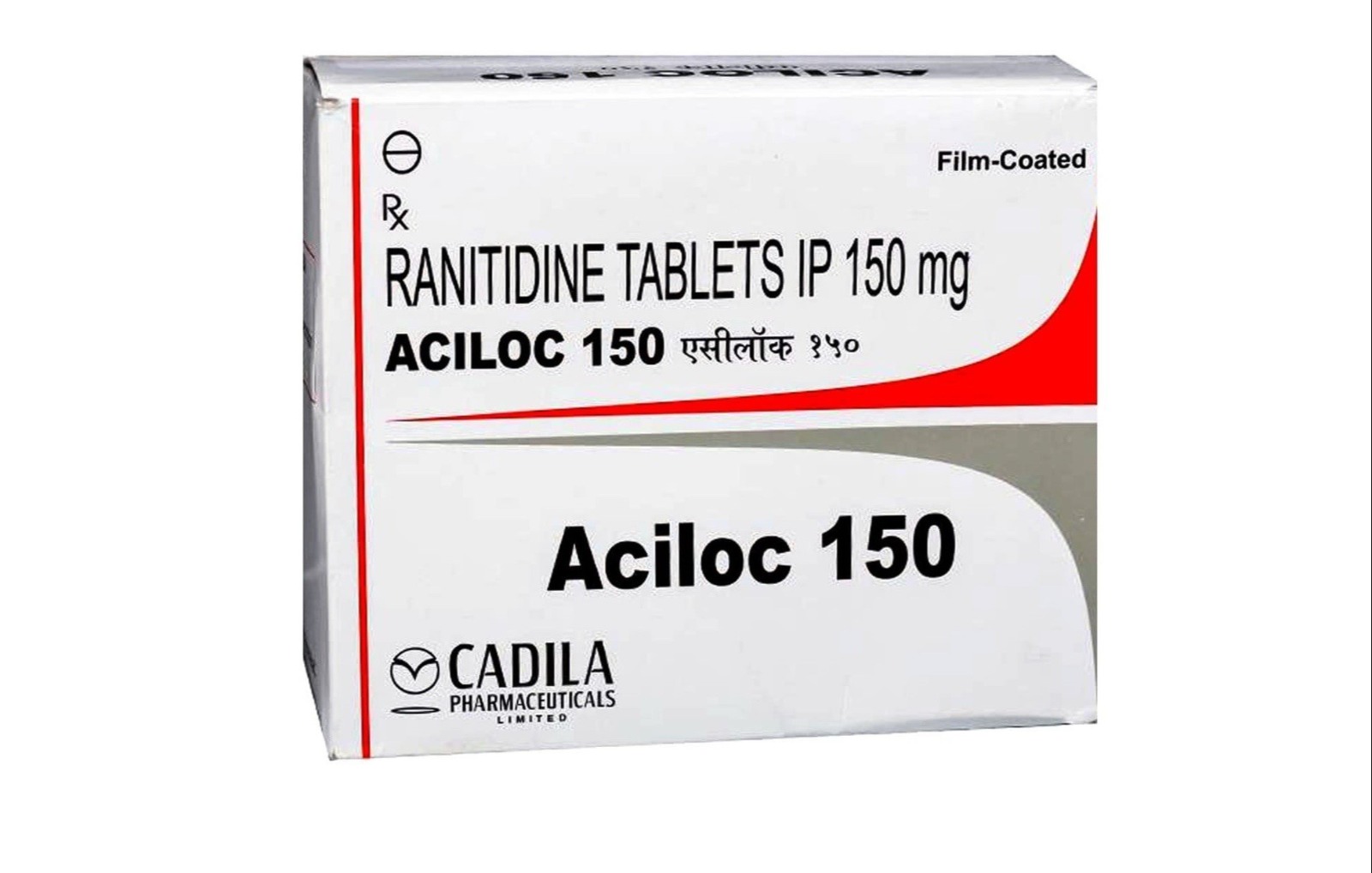
New Delhi: Popular acidity drug Ranitidine is back in the spotlight after India’s top drug regulator issued a nationwide alert over the presence of NDMA, a potential cancer-causing impurity.
The Central Drugs Standard Control Organisation (CDSCO) has asked all state and Union Territory drug regulators to ensure that manufacturers monitor NDMA (N-nitrosodimethylamine) levels in both the raw ingredients and final products of Ranitidine. The move comes amid rising global concern about the drug’s long-term safety.
Taking a cautious approach, CDSCO has also advised pharmaceutical companies to reduce Ranitidine’s shelf life, a step aimed at minimizing the risk of impurity buildup over time.
The directive follows a review by the Drugs Technical Advisory Board (DTAB), which discussed findings from an expert panel tasked with studying NDMA contamination. The board recommended forming a broader committee to further investigate how storage conditions might contribute to the impurity’s formation.
The Indian Council of Medical Research (ICMR) has also been asked to conduct a detailed safety assessment to understand the possible long-term health effects of using Ranitidine.
In response, manufacturers are being urged to adopt risk-based measures — such as improving testing protocols, updating storage instructions, and limiting the drug’s shelf life — across the production and supply chain.
Health experts have raised concerns about continued Ranitidine use. Dr. Abhishek Shankar, oncologist at AIIMS Delhi, told NDTV, “Ranitidine is classified as a Group 2A carcinogen by the International Agency for Research on Cancer (IARC), meaning it is probably carcinogenic to humans. With safer alternatives like Famotidine and Pantoprazole available, there’s little justification to continue prescribing Ranitidine.”
Ranitidine has been pulled from the market in the US and several other countries after testing revealed alarmingly high levels of NDMA in some batches.
As India joins the global effort to reassess the safety of Ranitidine, patients are being advised to consult their doctors for safer alternatives and follow updates from health authorities.
Bhubaneswar: Odisha is set to strengthen its environmental monitoring framework with greater use of technology,…
New Delhi/Bhubaneswar: Odisha Deputy Chief Minister Pravati Parida on Thursday met Union Women and Child…
Bhubaneswar: Odisha has received national recognition for its efforts to promote renewable energy, winning the…
Bhubaneswar: Odisha is gearing up to host two major national-level urban development events, with preparations…
Bhubaneswar: Air connectivity between Odisha and Maharashtra is set to receive a boost with IndiGo…
Bhubaneswar: In a bid to accommodate the expected surge in passenger traffic during the upcoming…