Bhubaneswar: To protect wildlife and combat poaching, a 2 km zone (1 km inside and 1 km outside) of the Debrigarh Sanctuary in Odisha has been officially declared a “Shock-Free Zone” and a “Zero Electrocution Zone”. This declaration comes after a collaborative effort between 68 surrounding villages and Debrigarh authorities, marking a significant step towards curbing the illegal electrocution of animals, particularly endangered species like the Royal Bengal Tiger and Leopards.
The designated 100 km stretch of the western boundary of the Debrigarh Sanctuary, flanked by the Hirakud Reservoir to the east and the villages to the west, has been home to frequent poaching incidents due to the use of electric hooks and traps set by local residents. These practices have contributed to the deaths of numerous wild animals over the past decade, as electric wires were often used to poach wildlife such as wild boars and sambars for meat or crop protection.
The newly declared Shock-Free and Zero Electrocution Zone spans a continuous 100 km boundary and includes 68 villages, each with populations ranging from 200 to 1,000 residents. These villages, traditionally agricultural, depend heavily on Debrigarh Sanctuary for their livelihood and daily activities. The village communities have come together, recognizing the urgent need to protect the wildlife that shares their environment, ensuring that the zone is free from electrocution threats.
“Electrocution has long been a threat to wildlife in our region. With this new initiative, we are creating a safe zone for animals, which will help preserve the wildlife that our sanctuary is home to,” said a local leader, highlighting the community’s unified stance on safeguarding the ecosystem.
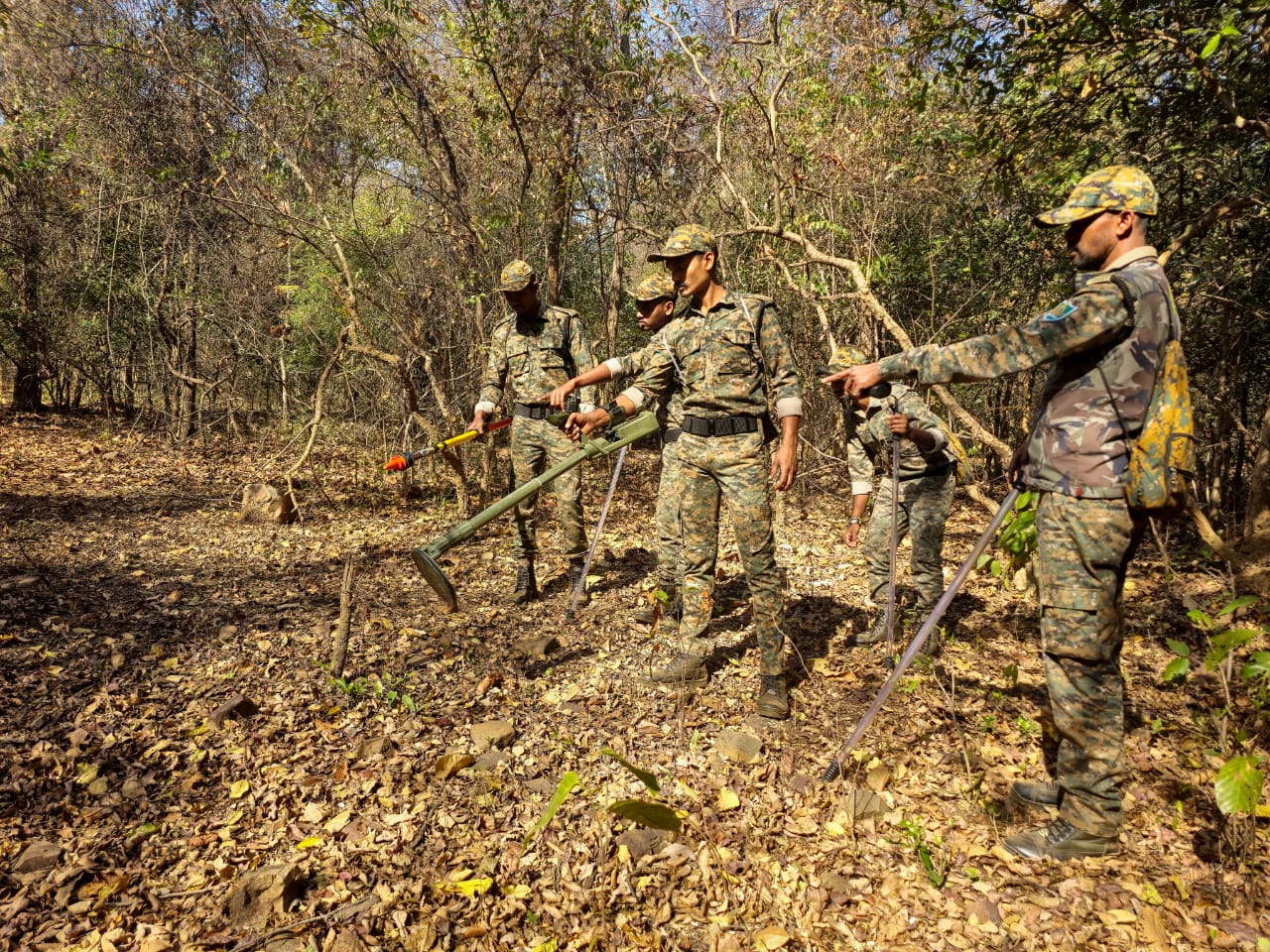
In a bid to eradicate the widespread issue of electrocution, 12 dedicated patrolling teams—comprising 72 squads and six vehicles—are now regularly monitoring the area. These teams are equipped with metal detectors and live wire detectors, helping to identify and dismantle any illegal electric setups intended for poaching.
The successful launch of this Shock-Free Zone is further bolstered by the leadership of the newly elected EDC Presidents from the villages, with a majority being women leaders. These newly elected officials, who took office in February 2025, are focused on ensuring long-term sustainability for the project and are trained to communicate effectively with their communities to promote wildlife conservation.
Shri G. Mathivathanan, Director of Debrigarh Authorities, commented on the positive influence of female leadership in advancing the protection of Debrigarh’s wildlife. “With women leaders at the helm, we are confident that this project will have enduring success in the long run,” he added.
The reduction in poaching practices, particularly the elimination of electric hooking, is expected to dramatically improve the sanctuary’s biodiversity. The initiative aims to increase the animal population in the sanctuary by 20-30%, allowing wildlife to thrive without the constant threat of human intervention.
The Debrigarh Sanctuary, now free of villages inside its boundary after a relocation program completed in 2022-23, has been experiencing a reduced human-animal conflict. However, with this new initiative, the 100 km western border will be closely monitored, ensuring that the once-regular traps, snares, and electric hooks no longer pose a threat to animals crossing from the sanctuary into neighboring areas.
This breakthrough marks a crucial step forward in protecting the region’s wildlife, and it is hoped that this model can be replicated in other regions where poaching is rampant. The collaborative efforts between the 68 villages, Debrigarh authorities, and local patrolling teams set a remarkable precedent for community-led conservation, proving that a unified approach can safeguard nature while promoting coexistence.
With further support from the local communities and continuous monitoring, Debrigarh authorities are optimistic that the Zero Electrocution Zone will serve as a model of wildlife protection and environmental stewardship, ensuring that both the flora and fauna of Odisha’s Debrigarh Sanctuary thrive for years to come.