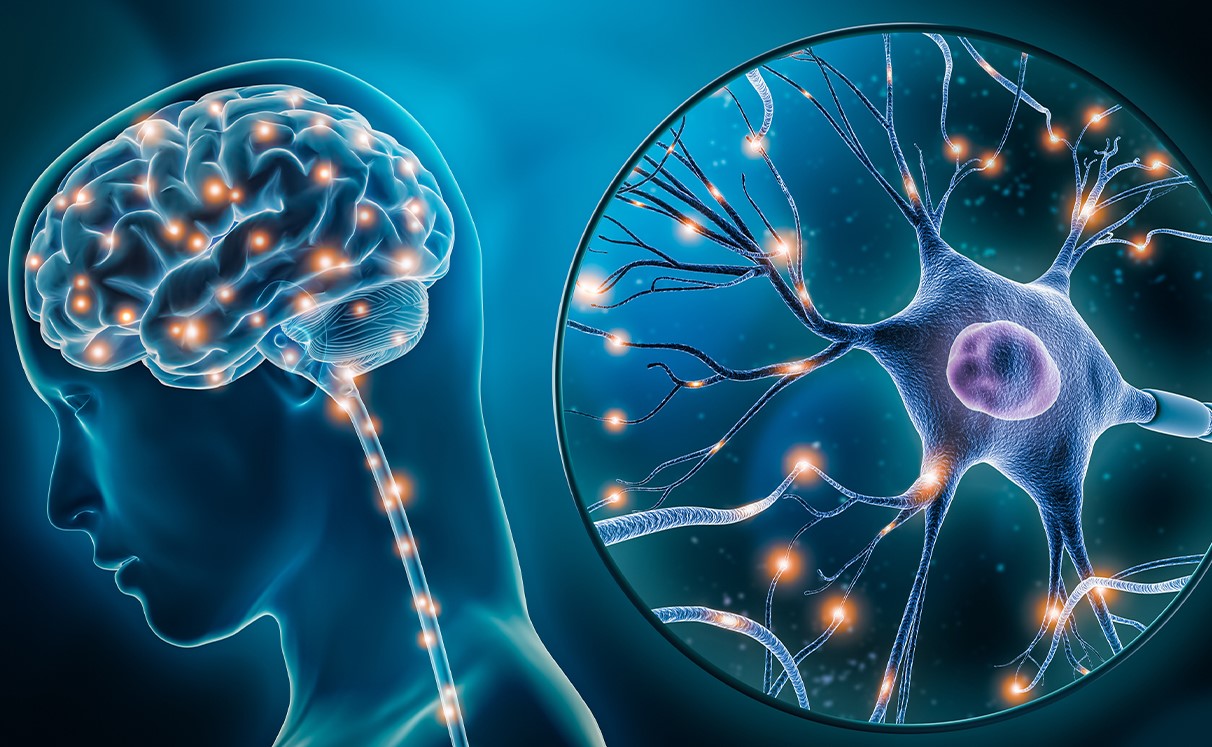
New Delhi: Researchers have developed a novel method to study protein folding and the role of molecular chaperones, which protect proteins from non-native interactions. This breakthrough could help understand the triggers of protein folding, potentially tracking the progression of diseases such as cancer, Parkinson’s, and Alzheimer’s.
Proteins are vital to nearly every cellular process, requiring a precise 3-D structure—known as native conformation—to function correctly. However, various stress conditions can cause proteins to misfold or unfold, leading to dysfunction and the accumulation of toxic material within cells. This process is linked to neurodegenerative diseases such as Alzheimer’s and Parkinson’s.
While some newly translated proteins can fold spontaneously, many require the assistance of molecular chaperones to achieve their native state and avoid non-native interactions. These chaperones are crucial for maintaining protein functionality, aiding in proper folding, and repairing unfolding or misfolding.
Understanding the importance of molecular chaperones, researchers have extensively studied their structure and function within cells. Traditional biochemical methods have provided insights into protein folding efficiency and the prevention of aggregation in the presence of chaperones. However, these bulk experiments cannot capture the heterogeneity of chaperone molecules or their functions in diverse cellular environments. Additionally, the short-lived transient states of chaperones remain largely unexplored.
The advent of single-molecule techniques has opened new pathways for exploring the fundamental properties of biomolecules in various biochemical reactions. A team at the S.N. Bose National Centre for Basic Sciences, led by Prof. Shubhasis Halder, is using a Covalent Magnetic Tweezer (CMT) to study the physical and chemical properties of protein molecules and the action of chaperones on protein folding and function.
This innovative approach has provided unprecedented insights into the complex dynamics of chaperone-assisted protein folding. Among the key players in this process are the heat shock proteins Hsp70 and Hsp90, two of the most studied molecular chaperones.
Single-molecule force spectroscopy has revealed the detailed dynamics of Hsp70-induced protein manipulation, crucial for understanding how Hsp70 assists in protein folding, stabilization, and transport under various cellular conditions. Hsp90, another critical chaperone, activates and stabilizes many proteins, including steroid hormone receptors and signaling kinases. Single-molecule techniques have characterized the multiple pathways and states of the Hsp90 complex, highlighting the versatility of magnetic tweezers in manipulating protein structures.
The researchers’ findings, published in the journal Trends in Biochemical Sciences, reveal novel mechanisms of molecular chaperones and provide insights into their role in protein homeostasis and human diseases. The studies highlight the mechanical dynamics of chaperone interactions with substrates under force, particularly those localized within cellular tunnels. These tunnel-associated chaperones harness the force generated during protein translocation to facilitate substrate folding, ensuring the proper maturation of proteins essential for vital cellular functions.
Furthermore, the research unveils the diverse mechanical functions of chaperones under force. The team is beginning to understand how brain stiffness contributes to the onset of Alzheimer’s. By comprehending the molecular basis of degenerative diseases like Alzheimer’s and Parkinson’s, new drugs can be designed to target the mechanical roles of chaperones, potentially preventing disease progression.
“However, a lot remains unanswered as we work at the junction of basic and translational research,” says Debojyoti Chowdhury, co-author of the review paper.
As the understanding of chaperone dynamics and their interactions with client proteins deepens, pharmaceutical science will be poised for significant advancements. Single-molecule techniques are key to this revolution, promising new treatments and prevention strategies for debilitating neurodegenerative diseases.
Bhubaneswar: Chief Minister Mohan Charan Majhi on Sunday inaugurated two affordable housing projects in Bhubaneswar,…
Bhubaneswar: Odisha has received the prestigious ‘Wind India 2026: Leadership in Wind Energy De-risking’ award…
Bhubaneswar: The Police Commissionerate, Bhubaneswar-Cuttack, has announced traffic restrictions across Bhubaneswar from October 16 to…
Bhubaneswar: Debrigarh Wildlife Sanctuary in Odisha has strengthened its wildlife protection system with the installation…
Puri: The 25th edition of Puri Heritage Walks (PHW), held on Sunday, took participants through…
Bhubaneswar: To manage the expected rise in passenger traffic during the upcoming Durga Puja and…