
Bhubaneswar/New Delhi: In a major step towards wildlife conservation and safer train operations, Indian Railways has strengthened its Artificial Intelligence (AI)-based Intrusion Detection System (IDS) to prevent collisions with wild animals, particularly elephants, on railway tracks.
The AI-enabled IDS, developed using the Distributed Acoustic System (DAS), has been deployed to detect the presence and movement of elephants near railway tracks and generate real-time alerts for railway officials. The system is designed to provide advance warnings to loco pilots, station masters and control rooms, enabling timely preventive measures such as slowing down or stopping trains.
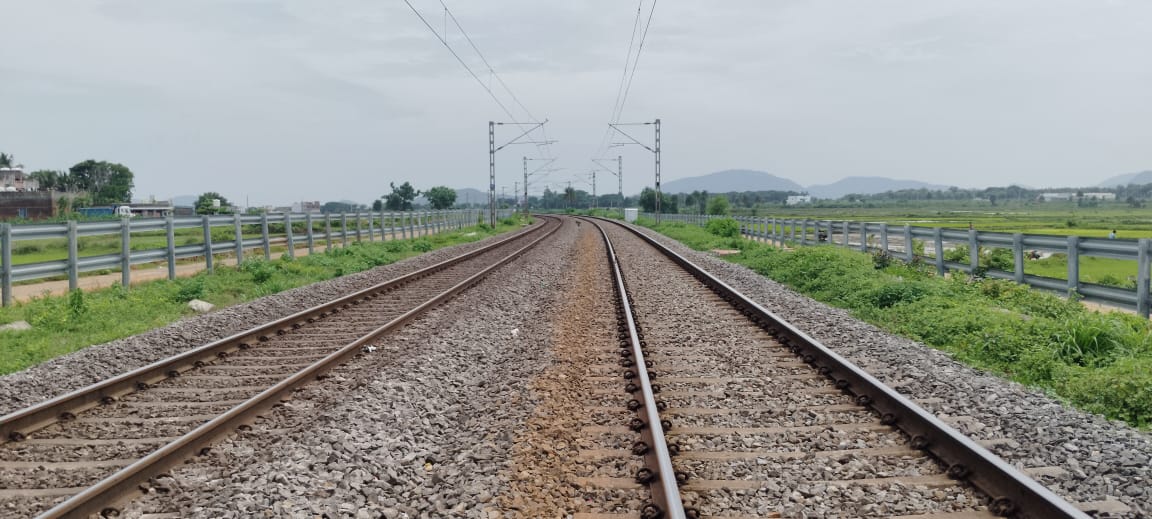
As part of pilot implementation, the AI-based Intrusion Detection System has already been installed over a 141 route-kilometre (RKm) stretch of the Northeast Frontier Railway, a zone known for frequent elephant movement across tracks. The system has been functioning successfully in this section, significantly enhancing the ability to detect animal intrusion and reduce the risk of accidents.
Encouraged by the positive results of the pilot project, Indian Railways has awarded further tenders for the installation of the system over an additional 981 RKms across various sensitive corridors. With this expansion, the total coverage of the AI-enabled wildlife detection system will extend to 1,122 RKms across the railway network.
The system works by analysing vibrations and acoustic signals through DAS technology to identify animal movement near the tracks. AI-based cameras and sensors generate alerts up to 0.5 kilometres in advance, giving loco pilots sufficient time to take precautionary action. These real-time alerts are simultaneously communicated to station masters and control rooms, ensuring coordinated response and enhanced safety.
Indian Railways has been continuously adopting technology-driven solutions to minimise wildlife casualties, especially involving elephants, lions and tigers, in forested and wildlife-sensitive railway sections. Measures such as speed restrictions, signage, coordination with forest departments and now AI-based detection systems form part of a broader strategy to balance infrastructure development with ecological responsibility.
The deployment and expansion of the AI-enabled Intrusion Detection System using DAS underlines Indian Railways’ strong commitment to wildlife conservation while ensuring safe and efficient train operations. By integrating advanced technology with proactive monitoring, Indian Railways aims to significantly reduce human-wildlife conflict and protect India’s rich biodiversity along railway corridors.