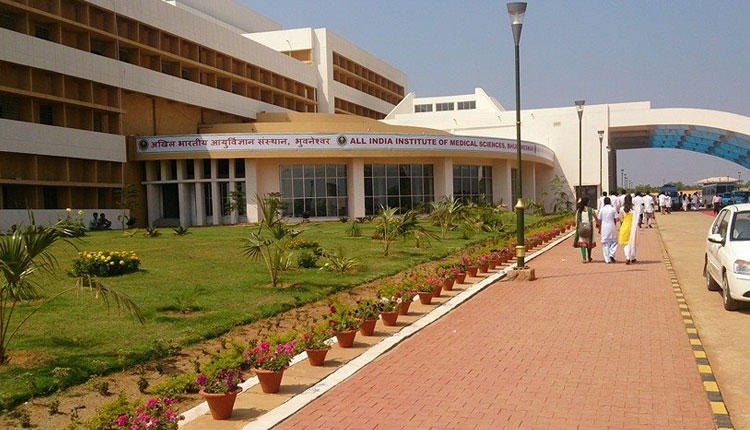
New Delhi: A new study by researchers at AIIMS Bhubaneswar on Monday showed a ‘hidden’ form of leprosy can silently affect the brain and spinal cord.
While leprosy is an ancient disease that often leads to disfiguring skin sores, a lesser-known form of leprosy — pure neuritic leprosy (PNL) — can inflict significant damage without any visible skin changes.
This “hidden” form of leprosy primarily affects peripheral nerves, and is often undiagnosed.
Not being diagnosed on time can lead to delayed treatment and potential disabilities.
The study, published in the medical journal Acta Neurologica Belgica, challenges the conventional understanding of PNL as solely a peripheral nerve disease.
It highlights the importance of assessing central nervous system involvement for early detection and treatment, a finding that can lead to new therapies and treatments that can boost outcomes.
A majority of PNL cases have subclinical involvement of the central nervous system, said Dr. Sanjeev Kumar Bhoi, Head of the Neurology Department, AIIMS Bhubaneswar.
“This means the disease can silently affect the brain and spinal cord even without causing noticeable skin lesions — a hallmark of leprosy,” the doctor explained.
The new finding will have significant implications for leprosy diagnosis and management. It will also
pave the way for earlier diagnosis and targeted interventions.
“Our study shows that PNL can subtly affect the central nervous system. Such leprosy cases are often left undiagnosed due to the absence of skin-related symptoms,” Bhoi said.
He stressed the need to test “both peripheral and central nervous involvement” to accelerate early detection of PNL, “allowing for treatment to reduce disability risks.”
Funded by the Odisha government, the study involved a comprehensive analysis of 76 patients suspected of having PNL.
Using nerve biopsies, the team confirmed the diagnosis in 49 patients aged between 14 and 72.
Most patients were men, a unilateral foot drop and claw hand was the most common symptom, said the researchers.
The team also suggested new approaches to PNL diagnosis such as Nerve Conduction Studies, and Central Nervous System tests.
Nerve Conduction Studies should be done for patients with nerve-related symptoms like sensory loss or muscle weakness without skin lesions.
For a more comprehensive diagnosis, tests like VEP (for vision nerve pathways), SSEP (for sensory pathways), and BAEP (for auditory pathways) should be considered, the study said.
(IANS)
Bhubaneswar: In a major push towards women-led development, the Government of Odisha on Tuesday rolled…
Bhubaneswar: With temperatures set to rise, the Housing & Urban Development Department, Government of Odisha…
Bhubaneswar: Reinforcing the importance of safe and inclusive workplaces, the Women and Child Development Department,…
Bhubaneswar: The inaugural edition of the National Indoor Athletics Championships is set to begin on…
Bhubaneswar: In a bid to enhance urban safety and emergency readiness, the Housing & Urban…
Bhubaneswar: The Kala Bhoomi museum celebrated its 8th Foundation Day on Sunday at Gandamunda with…